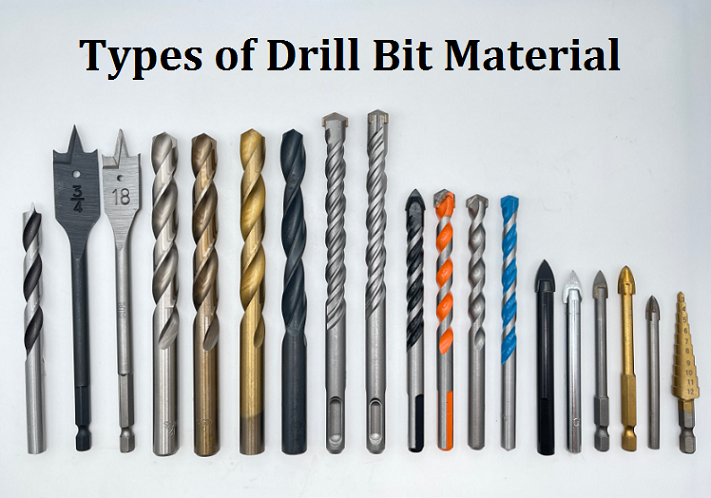
Most drill bits are made of high-speed steel, cobalt-alloy steel, carbide, or other hard materials chosen for the job.
If you are fixing a cabinet, building a deck, or working on a car in a US home garage, the material of your drill bit matters. A bit made for wood may struggle with hardened steel, while a masonry bit can be the right tool for a brick wall. The metal or cutting material affects how well the bit cuts, how much heat it can take, and how long it lasts.
The answer to what a drill bit is made of depends on its purpose. Common twist bits use high-speed steel, often called HSS. Some use cobalt mixed into steel, while others have a titanium-based coating or a carbide cutting tip. Specialized bits may use diamond particles or other materials for hard and abrasive surfaces. Understanding these differences helps you choose a bit that works well without wasting money or damaging your workpiece.
Source: Bing
What Materials Are Drill Bits Made Of?
Drill bits are made from materials that can cut a workpiece while resisting heat, wear, and pressure. Most everyday bits use tool steel or alloy steel. Specialized designs use carbide, diamond, or other cutting materials to handle harder surfaces or demanding work.
A drill bit is not always made from one material throughout. Some bits have a steel body and a separate carbide tip. Others have a steel core covered with a thin surface coating. These designs balance cutting ability, toughness, cost, and service life.
For a typical homeowner, high-speed steel is often enough for basic drilling. For frequent metalwork, a cobalt-alloy bit may be more useful. For concrete and masonry, a bit with a suitable carbide tip is usually a better match than a standard steel twist bit.
Source: Bing
High-speed steel
A heat-treated tool steel used for many general-purpose drill bits. It offers a useful balance of toughness, cutting ability, and cost.
Cobalt-alloy steel
High-speed steel with added cobalt to improve hot hardness and resistance to heat-related softening during demanding metal drilling.
Carbide
A very hard cutting material used in solid bits, inserts, and tips designed for specific drilling applications.
Coated steel
A steel bit with a thin surface layer, such as titanium nitride, that can improve wear behavior or reduce friction under suitable conditions.
Diamond cutting material
Industrial diamond particles or diamond-based cutting segments used in specialized bits for hard, abrasive materials.
Why Are Drill Bits Made From Hard Materials?
A drill bit must keep its cutting edges sharp as it moves against a workpiece. If the cutting edge wears down, the bit may take longer to drill, create excess heat, or stop cutting cleanly. Hard materials help resist this wear.
Hardness alone is not enough. The bit also needs toughness, which is its ability to withstand impact and stress without breaking. A very hard bit can perform well in a rigid machine yet chip or snap if the drill wobbles or the workpiece shifts.
Heat resistance matters too. Friction can raise the temperature at the cutting edge, especially when drilling metal. Materials that retain hardness at higher temperatures can keep cutting more effectively, provided the user chooses a suitable speed and clears chips.
Are Drill Bits Made From Pure Metal?
Most metal drill bits are not made from pure iron or another single element. They use steel alloys that combine iron with carbon and selected elements to change hardness, strength, wear resistance, or heat performance. Cobalt drill bits, for example, are generally cobalt-alloy high-speed steel rather than pure cobalt.
Carbide is different from ordinary steel. Many industrial carbide cutting tools use tungsten carbide particles bonded with a metal binder, commonly cobalt. The exact composition varies by grade and application, so the term carbide does not identify one universal formula.
Coatings also need to be distinguished from the base material. A gold-colored bit may have a titanium nitride coating, but its underlying body is still usually steel. Color alone cannot confirm the coating or the quality of the bit.
High-Speed Steel Drill Bits Explained
High-speed steel, or HSS, is one of the most common materials used for general-purpose drill bits. It is a tool steel designed to retain useful hardness during cutting, including when friction creates heat. HSS bits are common in household tool kits, workshops, and many industrial settings.
An HSS bit can drill many types of wood, plastic, and metal when its design, cutting angle, and operating speed suit the task. It is a practical starting point for routine repairs because it usually costs less than specialized cobalt or carbide alternatives.
HSS is not a single fixed recipe. Different grades use different alloying elements and heat treatments. This means two bits labeled HSS may differ in cutting performance, toughness, and resistance to wear.
Source: Bing
Main advantage
HSS offers a useful balance of versatility, toughness, and price for everyday drilling.
Common uses
General work in wood, plastic, and many metals, subject to the bit maker’s stated limits.
Main limitation
An ordinary HSS bit may lose its cutting edge faster than a suitable cobalt or carbide tool during demanding, high-heat work.
When Should You Choose an HSS Drill Bit?
Choose an HSS bit for routine household jobs, such as making pilot holes, drilling soft metals, or completing general workshop tasks. It is often a sensible option when the work is occasional and the material is not unusually hard or abrasive.
For wood, a purpose-made wood bit may cut more cleanly than a general-purpose metal twist bit. For metal, secure the workpiece and use a speed suited to the bit diameter and metal type. For plastic, use a suitable bit and avoid excess pressure that could crack or melt the material.
If an HSS bit becomes dull, do not assume that more trigger pressure will solve the problem. Excess force can create more heat and damage the cutting edge. Inspect the bit, clear the chips, check the speed, and replace or properly sharpen it when needed.
What Are Cobalt Drill Bits Made Of?
Cobalt drill bits are generally made from high-speed steel alloyed with cobalt. They are not normally solid cobalt. Adding cobalt helps the steel retain hardness at elevated cutting temperatures, making suitable cobalt-alloy bits useful for demanding metal drilling.
These bits are often used for stainless steel and other tough metals. They can also be used for ordinary steel, although they may cost more than a basic HSS bit. Their value is greatest when the task benefits from their heat resistance and the user applies the correct cutting method.
The label cobalt does not guarantee that a bit will drill every hard material. Hardened steel, for example, can be difficult to drill with an ordinary twist bit. The exact alloy, heat treatment, point geometry, and condition of the workpiece all affect the result.
Source: Bing
Cobalt alloy
A steel alloy designed to retain hardness during hot cutting conditions.
Common applications
Metalworking tasks that involve stainless steel and other demanding metals within the bit manufacturer’s specifications.
Practical trade-off
Cobalt bits can be more costly than basic HSS bits and still require suitable speeds, chip removal, and workpiece support.
Are Cobalt Drill Bits Better Than HSS Bits?
Cobalt-alloy bits can be better for repeated drilling in tough metals because they retain hardness under heat more effectively than many basic HSS grades. For a small home project involving only a few holes in mild steel, a standard HSS bit may still do the job well.
The best choice depends on how often you drill, what metal you are using, and whether the added cost provides a real benefit. A high-quality HSS bit can outperform a poor-quality cobalt-labeled bit, so material labels should not replace attention to manufacturing quality and correct use.
When drilling stainless steel, use a suitable sharp bit, keep the workpiece secure, and follow the recommended cutting speed. Avoid letting the bit rub without cutting, since friction can harden some stainless steels locally and make further drilling more difficult.
What Do M35 and M42 Cobalt Mean?
M35 and M42 are commonly used designations for cobalt-bearing high-speed steel grades. M35 contains roughly 5% cobalt by weight, while M42 contains roughly 8%. These figures describe the nominal alloy composition, not a guarantee of drilling speed or service life in every task.
M42 is often selected where hot hardness is especially valuable. However, the best grade depends on the application and the complete tool design. More cobalt does not automatically mean a bit will last longer in every material or under every operating condition.
What Are Titanium Drill Bits Made Of?
Most drill bits marketed as titanium bits are steel bits with a thin titanium-based coating. The underlying steel supplies most of the bit’s strength and toughness, while the coating can change surface hardness, friction, and wear behavior.
Titanium nitride, often shortened to TiN, is a common coating on metalworking tools. It is often gold-colored. Other titanium-based coatings also exist, so the gold appearance alone does not prove which coating a bit uses.
A coating is not the same as a solid titanium drill bit. The coating is very thin compared with the bit body. If the cutting edges are ground or sharpened, the coating may be removed from the newly exposed surface, reducing some of its intended benefit.
Source: Bing
Base material
Usually steel, often high-speed steel or another suitable tool steel.
Coating role
May reduce friction and improve wear resistance under the right cutting conditions.
Key limitation
A coating does not turn an unsuitable steel bit into a carbide bit or make it ideal for every hard material.
Are Titanium-Coated Bits Worth It?
Titanium-coated bits can be useful for repeated general drilling when the coating and base material suit the work. They may offer better wear behavior than an otherwise comparable uncoated bit, but the outcome depends on the coating process, bit quality, and how the tool is used.
For occasional household drilling, a basic HSS bit may be enough. If you drill metal often, compare the bit’s actual specifications rather than choosing it only because it has a gold finish. A coating cannot compensate for a dull cutting edge, incorrect speed, or poor chip removal.
Do not assume a coated bit can be sharpened without consequences. Sharpening changes the cutting geometry and may remove the coating at the edge. Follow the maker’s instructions if you want to maintain a coated bit.
What Are Carbide Drill Bits Made Of?
Carbide drill bits use an extremely hard cutting material, commonly tungsten carbide in many metalworking tools. Tungsten carbide is made from tungsten and carbon, and many cutting grades use a metallic binder, often cobalt, to hold the hard particles together.
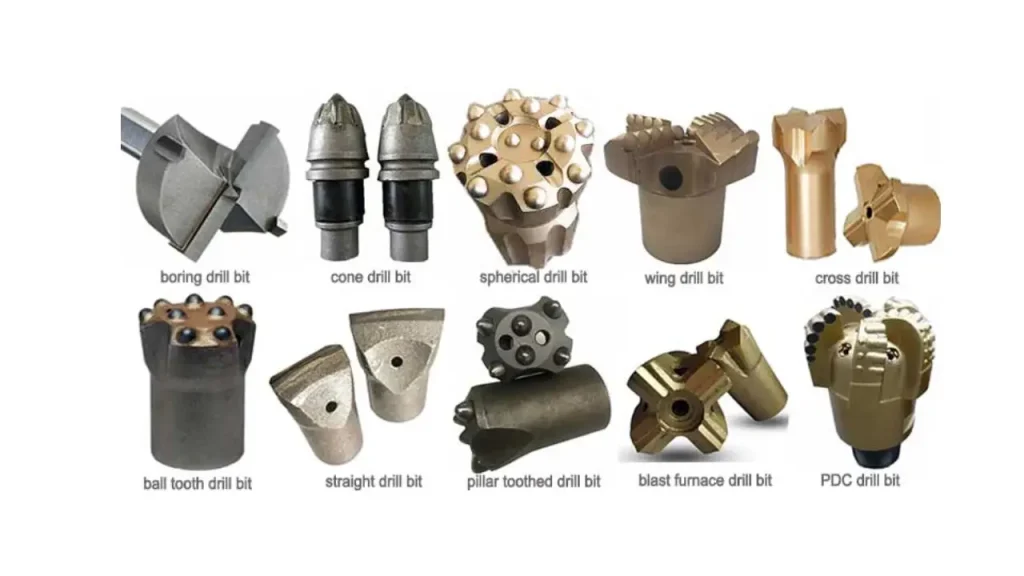
Some drill bits are made from solid carbide, while others use carbide inserts or a carbide tip attached to a steel body. The design matters because carbide can resist wear very well but is generally less tolerant of bending and sudden impact than many steel tools.
Carbide tools are common in industrial machining and other tasks that demand high wear resistance. They can also be used in selected masonry and construction bits, although those bits are designed differently from solid carbide metalworking drills.
Source: Bing
Solid carbide
The cutting tool is made largely from carbide material. It is useful in suitable precision machining setups but can break if bent or struck.
Carbide-tipped
A steel body carries a carbide cutting tip. This is common in many masonry bits designed to withstand the demands of drilling brick, block, or concrete.
Carbide inserts
Replaceable or fixed cutting elements used in selected industrial drilling systems.
When Is Carbide Better Than Steel?
Carbide is useful when wear resistance and cutting performance justify its cost and handling needs. In a properly supported machine, a suitable carbide bit can perform well in demanding production work. The tool must still match the workpiece and the machine’s operating range.
For a handheld drill, a solid carbide bit may be a poor choice if the setup is unstable. Side loads, sudden movement, and impact can chip or break carbide. A steel bit may be more forgiving for an uneven or awkward home repair.
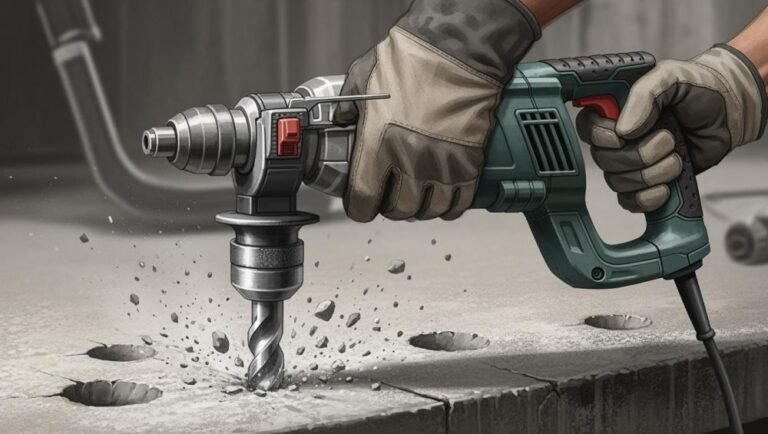
For concrete and masonry, use a bit specifically designed for those materials. A common masonry bit has a steel body and a carbide cutting tip. When used with a compatible hammer drill or rotary hammer, its design helps break and remove hard mineral material.
Is Tungsten Steel the Same as Tungsten Carbide?
No. Tungsten carbide is a compound of tungsten and carbon, often combined with a metallic binder for cutting tools. The term tungsten steel is less precise and may be used informally for different tungsten-containing steels or confused with tungsten carbide in product descriptions.
A steel alloy containing tungsten is still steel. Tungsten carbide is a separate hard material with different properties. When buying a drill bit, check whether the manufacturer identifies it as high-speed steel, tungsten-containing tool steel, solid carbide, or carbide-tipped rather than relying on vague wording.
What Are Masonry Drill Bits Made Of?
Many masonry drill bits have a steel body and a carbide cutting tip. The steel provides the shape and support, while the hard tip works against materials such as brick, concrete, mortar, and concrete block. The exact design depends on whether the bit is intended for a standard drill, hammer drill, or rotary hammer.
A typical twist drill bit designed for metal cuts by shearing material with sharp edges. A masonry bit is designed to work against hard, abrasive mineral surfaces and may use a hammering action to help break the material. This is why a masonry bit is not simply a normal steel bit with a different color.
Some specialized masonry tools use other cutting designs or materials. Diamond-based tools, for example, may be suitable for selected hard tile, stone, or concrete applications. The material and design must match the surface, the required hole quality, and the machine.
Source: Bing
Steel body
Provides the bit’s shaft and overall structure.
Carbide tip
Provides a hard cutting or impact surface for suitable masonry applications.
SDS shank
A shank design used with compatible rotary hammers. It describes the connection system, not the cutting material.
Can You Use a Masonry Bit on Metal?
A standard carbide-tipped masonry bit is generally not the right choice for drilling metal. Its cutting geometry is designed for mineral materials, not for making clean holes in steel. Using the wrong bit may produce poor results and damage the cutting edge.
For metal, choose an HSS, cobalt-alloy, or suitable carbide metalworking bit according to the metal and the machine. For brick or concrete, choose a masonry bit that matches the drill and the hole size. For ceramic tile, check whether the bit is specifically rated for tile and whether hammer action must remain off.
Always read the tool and bit instructions before using a hammer setting. Hammer action can crack tile, damage brittle materials, or create hazards if the tool is not suitable for the job.
What Are Diamond Drill Bits Made Of?
Diamond drill bits use industrial diamond at the cutting surface. The diamonds may be bonded into a metal matrix, attached to a segment, or held in a specialized coating, depending on the tool’s design. The body itself is often metal, while the diamond-bearing area performs the cutting or grinding.
Diamond is extremely hard and can work well on many abrasive, hard materials. Diamond tools are used for selected tile, stone, glass, ceramics, and concrete applications, but no single diamond bit is suitable for every one of these materials. Product design, bonding, cooling needs, and drilling method all matter.
Some diamond bits are designed for wet drilling, while others are made for dry use. Water may cool the cutting area and carry away debris when the bit is designed for wet operation. Never add water to a tool or bit unless the equipment and process are intended for it, especially when electricity is involved.
Source: Bing
Cutting surface
Industrial diamond particles or diamond-bearing segments provide the working surface.
Bit body
Often metal, designed to hold the cutting material and transfer force from the drill.
Main limitation
The correct bit, speed, cooling method, and workpiece support are essential to avoid damage or premature wear.
Are Diamond Bits Better Than Carbide Bits?
Neither material is always better. Diamond bits can be suitable for hard, abrasive materials such as certain tiles and stone. Carbide bits can be suitable for metal machining or masonry, depending on the specific tool design.
For a ceramic tile hole, a tile-rated diamond bit may be appropriate. For a concrete wall, a carbide-tipped masonry bit designed for the intended drill may be the better option. For steel, a metalworking bit is usually the correct starting point.
The material being drilled should decide the tool. Choosing a bit because its cutting material sounds harder can lead to a poor result if the geometry or drilling method does not fit the task.
Drill Bit Materials Compared
The easiest way to compare drill bit materials is to look at the job each one is designed to do. Hardness, heat resistance, toughness, and price all matter, but the best balance changes with the workpiece and the drill.
The table below gives a general guide. It does not rank every bit on the market because alloy grade, manufacturing quality, coating, geometry, and operating conditions can change performance.
Source: Bing
Which Drill Bit Material Should You Choose?
Use this comparison as a starting point, then check the manufacturer’s instructions for the exact bit. A specialist bit may outperform a general-purpose option even when both share the same broad material category.
HSS
Best suited to general drilling in wood, plastic, and many metals. Its main strengths are versatility and cost.
Cobalt-alloy HSS
Useful for demanding metal drilling, including suitable stainless steel applications. It offers improved hot hardness but still needs proper speed and feed.
Titanium-coated steel
Useful for selected general metalworking tasks where the coating can reduce friction or improve wear behavior. The steel core remains central to performance.
Solid carbide
Designed for suitable precision or production drilling where high wear resistance matters and the machine can provide stable support.
Carbide-tipped masonry bit
Designed for compatible drilling into brick, concrete, and similar mineral materials.
Diamond bit
Designed for specific hard or abrasive materials, such as selected tile and stone, according to the manufacturer’s application guidance.
How Drill Bit Material Affects Performance
A drill bit’s material affects how well it resists wear and heat, but material alone does not determine performance. The cutting edges, point angle, flute shape, coating, and heat treatment also influence how the bit behaves.
A well-made HSS bit can be more useful than an unsuitable carbide bit. For example, a flexible handheld setup may put side loads on a brittle solid carbide tool. A suitable steel bit may tolerate that handling better, even if carbide has greater wear resistance.
Chip removal is another key factor. The flutes are the spiral or straight channels that carry cut material out of the hole. If chips build up, friction and heat can rise, and the bit may bind. Correct feed pressure and periodic chip clearing can help the bit work as intended.
Hardness
Helps the cutting edge resist wear, but does not guarantee toughness or resistance to impact.
Hot hardness
Helps the cutting material retain its useful hardness as cutting temperatures rise.
Toughness
Helps the bit withstand stress, vibration, and some accidental side loading without breaking.
Coating and surface finish
Can affect friction and wear, depending on the coating, substrate, and drilling conditions.
Cutting geometry
Controls how the bit enters the material, forms chips, and removes them from the hole.
Does a Harder Drill Bit Always Last Longer?
No. Hardness helps a cutting edge resist wear, but a harder material can be more brittle. If the bit is misaligned, the workpiece moves, or the tool vibrates, a brittle bit may chip or snap before its wear resistance becomes useful.
A bit may also fail early because it runs too fast, overheats, or uses the wrong cutting geometry. The workpiece can affect the result as well. For example, a bit suited to mild steel may struggle with hardened steel even if both are described as metal.
Choose a bit based on the full task rather than hardness alone. The right material, correct geometry, stable setup, and proper operating method work together.
How to Choose the Right Drill Bit Material
Start by identifying the material you need to drill. Wood, plastic, mild steel, stainless steel, concrete, and tile each place different demands on the cutting edge. The correct bit is the one designed for that material and compatible with your drill.
Next, consider how often you will use it. A basic HSS bit may be adequate for occasional repairs, while a cobalt-alloy bit may be worth considering for frequent metalwork. Carbide and diamond tools make sense when their specialized cutting properties suit the job.
Finally, check the bit diameter, shank type, maximum speed, and any cooling requirements. A bit that fits the chuck but is not rated for the material or operating method is not necessarily safe or suitable.
For wood
Use a wood-specific bit when you need clean holes. HSS twist bits can also work for some wood tasks, but they may not leave the same finish.
For plastic
Use a suitable sharp bit and a controlled speed. Avoid excessive pressure and heat that can melt or crack the workpiece.
For mild steel
An appropriate HSS bit is often sufficient. Choose a suitable cutting speed and secure the metal before drilling.
For stainless steel
A suitable cobalt-alloy bit may help with heat resistance. Use the maker’s speed guidance and avoid rubbing the bit without cutting.
For concrete and brick
Use a compatible carbide-tipped masonry bit or another bit specifically designed for the material and drill type.
For ceramic tile or stone
Choose a tile- or stone-rated bit, often a suitable diamond design. Follow instructions for speed, cooling, and hammer settings.
Check the Bit Before You Start
Inspect the cutting edges for chips, heavy wear, or visible damage. A damaged bit can wander, cut poorly, or break. Check that the shank fits the drill chuck or holder and that the bit is seated securely.
Secure the workpiece with a suitable clamp or vise whenever practical. Do not hold a small metal part in your hand while drilling it. The bit can catch and cause the part to spin, creating a serious injury risk.
Wear eye protection suitable for flying chips and debris. Tie back long hair, keep loose clothing away from rotating parts, and remove jewelry that could catch. Disconnect the drill from power or remove the battery before changing a bit or adjusting the chuck.
What If the Drill Bit Gets Hot or Stops Cutting?
Stop the drill if the bit smokes, changes color from heat, binds, or stops cutting normally. Switch off and disconnect power before inspecting the bit. Allow hot parts to cool before touching them.
Check whether the bit is dull, the speed is too high, the workpiece is moving, or chips are blocking the flutes. In metal, use a cutting fluid only when suitable for the material, bit, and operation. Do not apply liquid near electrical equipment unless the tool and process are designed for that use.
Replace a cracked or badly chipped bit rather than trying to force it through the work. If the material may contain hidden wiring, plumbing, or other services, stop and verify the area before drilling.
Common Myths About Drill Bit Materials
Several common assumptions can lead to poor tool choices. The material name is useful, but it does not tell the whole story. The bit’s design and intended use matter just as much.
Myth: Gold drill bits are made from solid titanium
Most gold-colored titanium bits use a steel base with a titanium-based coating. The finish does not mean the whole bit is titanium.
Myth: Cobalt bits are made from pure cobalt
Most cobalt drill bits are cobalt-alloy steel. Cobalt is an alloying element that helps the steel retain hardness under heat.
Myth: The hardest bit is always the best
A very hard bit can be brittle or unsuitable for a handheld setup. The material must match the workpiece and drilling conditions.
Myth: One bit can drill every material
Some multi-material bits cover a range of tasks, but no ordinary bit is ideal for every wood, metal, masonry, tile, and stone application.
Myth: A dull bit only needs more pressure
Extra force can increase heat, cause binding, and damage the bit or workpiece. Check sharpness, speed, alignment, and chip removal instead.
Can You Sharpen a Drill Bit?
Many steel twist bits can be sharpened if the cutting edges and point geometry can be restored correctly. A proper sharpening method maintains the intended cutting angles and keeps both cutting lips balanced.
Some specialized bits need a dedicated sharpening process or should be replaced when worn. Coated bits may lose some coating at the sharpened edges, while carbide bits require suitable grinding equipment and careful handling.
If you are unsure how to restore the point, replacing a low-cost bit may be more practical than attempting an inaccurate sharpening job. Never use a damaged bit just because it still fits the drill.
How Drill Bits Are Made
The manufacturing process depends on the bit material and design. Many steel bits begin as tool-steel stock that is cut, formed, or machined into the required shape. Manufacturers create the point and flutes, apply suitable heat treatment, and finish the cutting edges to meet the intended specifications.
Heat treatment changes the steel’s structure and helps provide the required hardness and toughness. The exact process depends on the alloy and the tool design. Poor control can affect performance, which is one reason material grade alone cannot tell you everything about a bit.
Coated bits receive an additional surface treatment after suitable preparation. Solid carbide bits are commonly produced from carbide powder and binder through powder-processing methods, followed by shaping and sintering. Carbide-tipped tools require a process that joins the cutting tip to the supporting body.
Diamond drill bits use a different construction. Industrial diamond particles are held or bonded at the cutting area using a process suited to the tool’s design. The body, cutting segment, and bond must work together to keep the cutting material in place during use.
Forming and machining
Creates the bit’s basic shape, flutes, shank, and cutting point.
Heat treatment
Gives steel bits the intended combination of hardness and toughness.
Grinding and finishing
Refines the cutting edges and dimensions to suit the intended application.
Coating or tip attachment
Adds a surface layer or a separate cutting material when the design calls for it.
Why Manufacturing Quality Matters
Two bits made from similar materials can behave differently because of differences in alloy quality, heat treatment, point geometry, grinding, and finish. A correctly shaped cutting edge helps the bit enter the material and form chips without unnecessary friction.
For a homeowner, this means the label should be only one part of the decision. Look for clear material specifications, intended applications, and operating guidance. Avoid assuming that a premium finish or a dramatic product name proves the bit will perform well.
For industrial use, the exact grade and tool specifications matter even more. Production drilling may require controlled dimensions, repeatable performance, and compatibility with a particular machine, workpiece, and cutting process.
A Practical Drill Bit Material Decision Guide
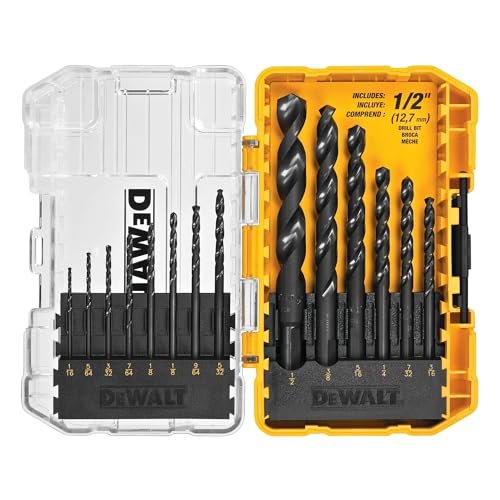
If you are standing in a hardware store choosing between several bit sets, start with the work you expect to do most often. A general-purpose set can cover common household tasks, but specialized materials are worth considering when you regularly work with tougher metals or mineral surfaces.
Do not buy a large set just because it includes more pieces. Check which diameters you need, whether the set includes the correct bit types, and whether the shanks fit your drill. A smaller set of suitable bits can be more useful than a large set with the wrong cutting materials.
Occasional home repairs
A general-purpose HSS set plus suitable wood and masonry bits may cover many routine jobs.
Frequent metal projects
Consider quality HSS or cobalt-alloy bits that match the metals you drill and the frequency of use.
Precision machine work
Choose the specified tool grade and geometry for the machine, workpiece, tolerance, and production conditions.
Tile and stone work
Select a bit rated for the exact surface, and confirm whether wet or dry drilling is required.
Concrete drilling
Choose a compatible masonry bit or rotary–hammer bit and match the shank to the tool.
Questions to Ask Before Buying
First, ask what material you will drill and how large the hole needs to be. Then check whether the bit maker lists that application and whether your drill can operate the bit as intended.
Next, consider the cost of replacing worn bits, the need for sharpening, and whether a coating or specialized cutting material offers a clear advantage. For occasional jobs, basic steel bits may provide enough value. For repeated work, a more specialized bit may reduce downtime when properly used.
Finally, inspect the product information. Look for the actual base material, coating or tip construction, compatible drill type, and operating limits. If these details are missing, do not assume that a color or broad marketing label confirms them.
Frequently Asked Questions
Q
What is a standard drill bit made of?
Many standard twist drill bits are made of high-speed steel, or HSS. This tool steel is heat-treated to provide useful hardness and toughness for general drilling in wood, plastic, and many metals. Other common designs use cobalt-alloy steel, carbide, or a coating over a steel base.
Q
Are drill bits made of stainless steel?
Most ordinary drill bits are not made from stainless steel. Many use high-speed tool steel or alloy steel because those materials are designed for cutting performance and heat resistance. Some specialized tools may use different materials, but the exact composition depends on the application and manufacturer.
Q
What are black and gold drill bits made of?
Black drill bits may have an oxide finish or another surface treatment, depending on the product. Gold-colored bits are often steel bits with a titanium nitride or other titanium-based coating. Color is not a reliable way to identify the exact base material or coating, so check the manufacturer’s specifications.
Q
What drill bit material is best for stainless steel?
A suitable cobalt-alloy high-speed steel bit is a common choice for drilling stainless steel. The exact choice depends on the stainless grade, bit design, hole size, and drill setup. Use a sharp bit, secure the workpiece, follow the manufacturer’s cutting-speed guidance, and avoid letting the bit rub without cutting.
Q
Are carbide drill bits stronger than steel drill bits?
Carbide is generally harder and more wear-resistant than common tool steels, but that does not mean every carbide bit is stronger in every sense. Carbide can be brittle and may chip or break under bending or impact. Steel bits are often more tolerant of movement, so the right choice depends on the machine, workpiece, and drilling conditions.
Q
Can one drill bit material be used for wood, metal, and concrete?
Some multi-material bits are designed for a limited range of surfaces, but one bit should not be assumed to work well for every material. Wood, metal, and concrete require different cutting designs and may need different drilling methods. Choose a bit rated for the workpiece and compatible with your drill.
Q
Do titanium drill bits contain titanium all the way through?
Usually not. Most products described as titanium drill bits use a steel body with a thin titanium-based coating. The steel provides most of the structure, while the coating can improve surface wear behavior under suitable conditions. Check the product details to confirm the actual coating and base material.
✦ Wrapping Up
Conclusion
Drill bits are made from several materials because different jobs demand different combinations of hardness, toughness, heat resistance, and wear resistance. High-speed steel is a common choice for general drilling, cobalt-alloy steel is useful for many demanding metalworking tasks, and carbide serves applications that need high wear resistance. Masonry and diamond bits use specialized cutting designs for concrete, tile, stone, and other hard materials.
The best drill bit is not always the hardest or most expensive one. It is the bit designed for the material you are drilling and the tool you are using. The right speed, sharp cutting edges, chip removal, stable workpiece support, and safe handling all help the bit perform as intended.
💡 Key Takeaway
Before your next drilling job, identify the workpiece, select a bit whose material and design are rated for it, check the shank and drill compatibility, secure the workpiece, and follow the manufacturer’s speed and safety instructions.
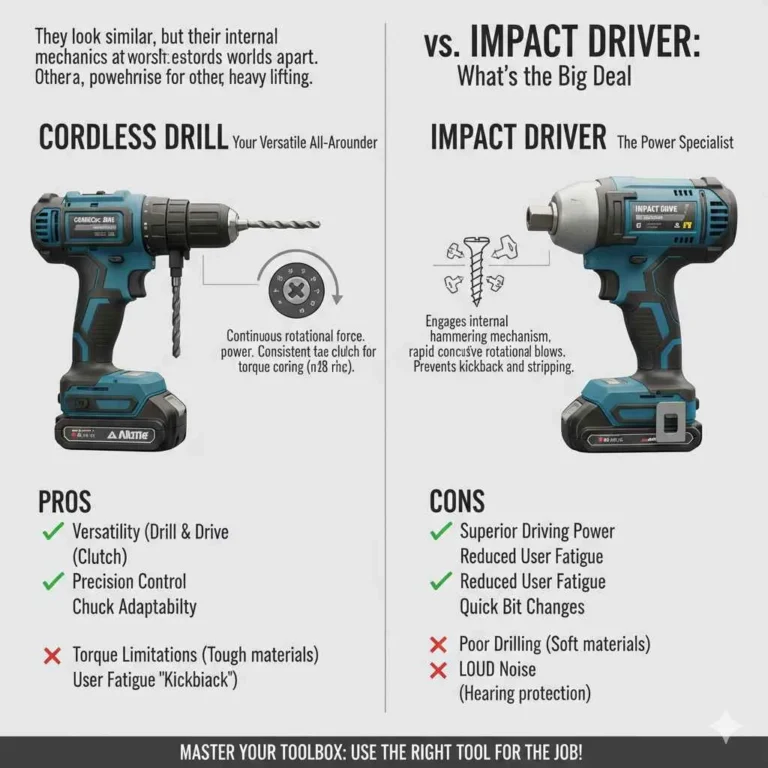
You’ve probably held a cordless drill/driver and wondered: what is the difference between a drill and a driver? The answer isn’t just marketing. These two…
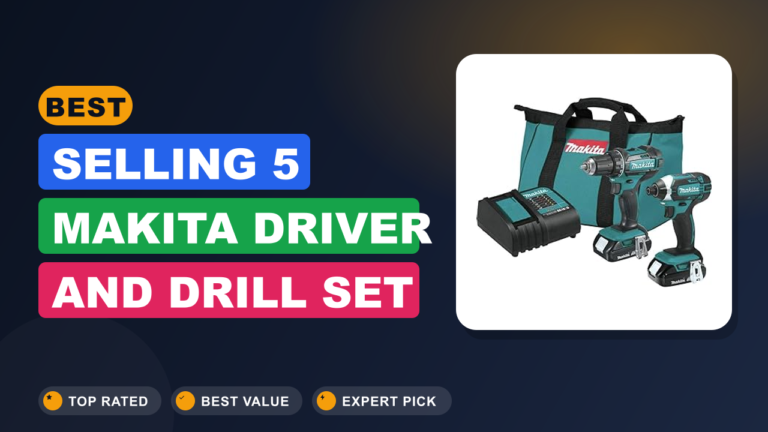
Buying a drill and impact driver shouldn’t mean settling for a weak combo or a mismatched battery collection. The best makita driver and drill set comes down…