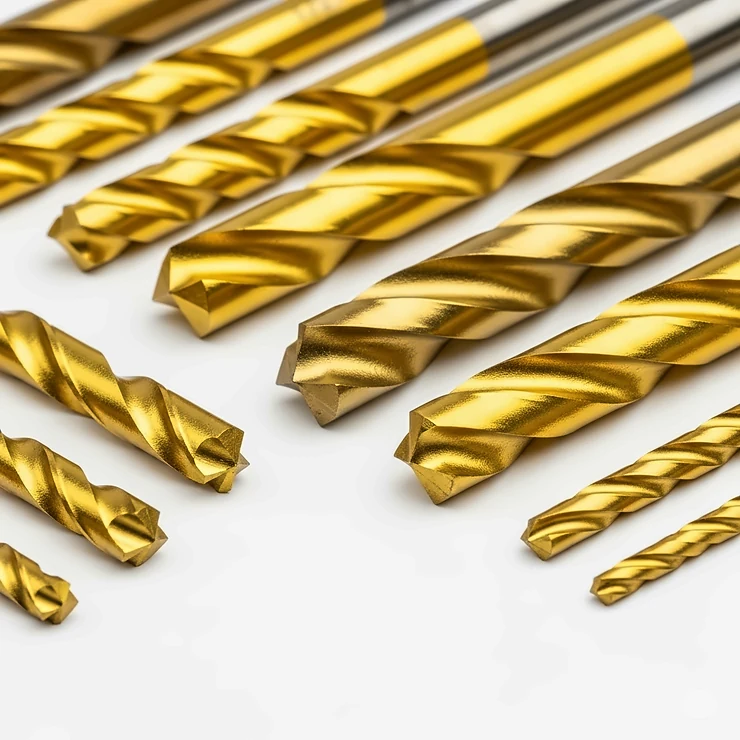
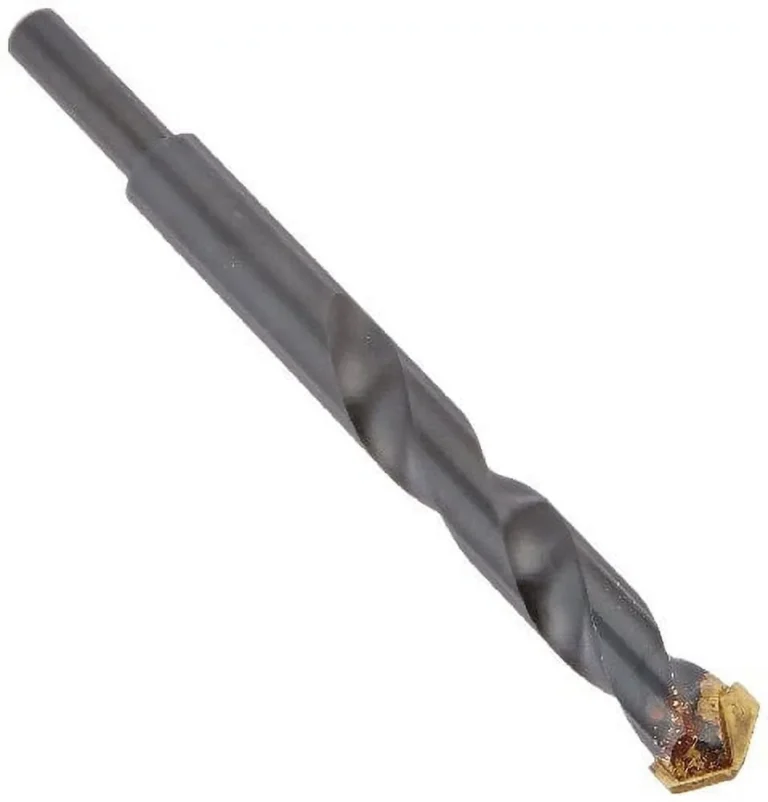
Metal drill bits can be silver, gold, black, bronze, or dark gray, depending on their material, coating, and surface treatment.
If you are working on a home improvement project in the United States, choosing the right drill bit can make a big difference. You might need to drill through a steel bracket in your garage, repair a metal gate, or make a hole in an aluminum part. When you open a drill bit set from a hardware store, you may notice that the bits come in several colors. Those colors can offer clues about their finish, but they do not tell the whole story.
Gold drill bits often have a titanium-based coating, black bits may have an oxide finish, and silver bits are often uncoated high-speed steel. Bronze or copper-colored bits may have a titanium nitride coating, while cobalt drill bits can appear gold, bronze, or steel-gray. The key is to check the manufacturer’s label and specifications instead of relying on color alone. Material, coating, bit geometry, and the metal you plan to drill all affect performance.
Source: Bing
What Color Are Metal Drill Bits?
Metal drill bits come in several common colors, including silver, gold, black, bronze, copper, and dark gray. These colors usually reflect the bit’s base material, surface treatment, or coating. Some bits have a natural metallic finish, while others receive a coating designed to reduce friction or improve wear resistance.
There is no universal color code for metal drill bits. A gold bit is not automatically better than a silver one, and a black bit is not necessarily intended for harder steel. Two bits that look almost identical can have different compositions, while two bits made for similar tasks can look very different.
For most home users, the best starting point is to identify the material to be drilled and then confirm the bit’s specifications. A standard high-speed steel bit may work well for mild steel, while a suitable cobalt bit may be more appropriate for repeated drilling in stainless steel. The right choice depends on the material, hole size, drill, and working conditions.
Source: Bing
Gold
Often indicates a titanium-based coating, such as titanium nitride or another titanium coating. Check the product label to confirm the exact treatment.
Black
May indicate black oxide or another dark surface treatment. The precise finish varies by manufacturer.
Silver
Common on uncoated high-speed steel bits and other metallic finishes. Silver color alone does not identify the steel grade.
Bronze or copper
May appear on titanium nitride-coated bits or some cobalt-bearing high-speed steel bits. These finishes can look similar.
Dark gray
Can result from the base material, heat treatment, or a surface coating. The color is not a reliable grade indicator.
Why Do Metal Drill Bits Have Different Colors?
Manufacturers use different finishes to affect how a drill bit performs and how well its surface resists wear. A coating may reduce friction, improve resistance to abrasion, or help the cutting edges last longer under suitable conditions. Some finishes also help protect the tool from corrosion during storage and use.
The base metal matters just as much. High-speed steel, cobalt-bearing high-speed steel, and solid carbide have different properties. A surface coating cannot turn an unsuitable bit into the right tool for every metal, and a color cannot reveal all the properties of the material underneath it.
Base material
Determines important properties such as hardness, toughness, and resistance to heat.
Surface coating
May improve wear resistance or reduce friction, depending on the coating and working conditions.
Surface treatment
Can change appearance and surface behavior without changing the underlying steel grade.
What Does Each Metal Drill Bit Color Mean?
The color of a metal drill bit provides a useful first clue, but it should not be treated as a technical specification. The following guide explains the most common finishes and their typical uses. Individual products can differ, so verify the exact coating and material before starting a job.
Source: Bing
Gold Drill Bits
Gold drill bits often have a titanium-based coating. Titanium nitride, commonly called TiN, is a hard coating that usually appears gold or gold-yellow. Other titanium-based coatings may also produce gold or bronze tones, so appearance alone cannot identify the specific coating.
A suitable coated bit may resist surface wear and reduce friction compared with an otherwise similar uncoated bit. These benefits depend on the coating, bit design, work material, and cutting conditions. Gold-colored bits are commonly sold for drilling wood, plastic, and metal, but the manufacturer’s stated material range should guide the choice.
A titanium coating does not automatically make a bit suitable for every type of stainless steel. The base material and cutting geometry still matter, and the coating may wear away at the cutting edge after repeated use or improper sharpening.
Typical appearance
Bright gold, yellow-gold, or a bronze-gold shade.
Common purpose
General drilling where a suitable titanium-coated high-speed steel bit offers useful wear resistance.
What to check
Confirm whether the coating is TiN or another titanium-based treatment and whether the bit is rated for your metal.
Black Drill Bits
Black drill bits often have a black oxide finish. This surface treatment creates a dark appearance and can offer some corrosion resistance and reduced friction under appropriate conditions. It is common on general-purpose high-speed steel drill bits.
Black oxide is not the same as a hard titanium coating. A black bit may be a good choice for ordinary drilling, but the finish alone does not mean the bit can handle harder steel or extended production work. Some manufacturers also sell black bits with other coatings or treatments.
For mild steel and many routine workshop jobs, a properly rated black-finished high-speed steel bit may be suitable. If you need to drill stainless steel or another difficult alloy, check the manufacturer’s material recommendations and consider a bit designed specifically for that task.
Typical appearance
Black, charcoal, or very dark gray.
Common purpose
General-purpose drilling when the bit’s base material and specifications match the work.
What to check
Do not assume that a black finish means the bit is cobalt or suitable for all hardened metals.
Silver Drill Bits
Silver drill bits often have a bright, uncoated steel finish. Many are made from high-speed steel, or HSS, which is widely used because it combines useful hardness, toughness, and heat resistance. Other drill bit materials and finishes can also look silver.
A plain silver HSS bit can work well for drilling mild steel, aluminum, and other materials within its rated range. Its performance depends on the steel grade, cutting edge, bit diameter, and how it is used. An uncoated bit may also be easier to sharpen than a coated bit because sharpening does not remove a specialized coating that must be preserved.
Silver does not mean low quality. For occasional home repairs, a properly manufactured uncoated HSS bit may be a practical choice. The important question is whether the tool is designed for the material and hole you need.
Typical appearance
Bright silver, polished steel, or a slightly dull metallic gray.
Common purpose
Routine drilling in compatible metals, wood, and plastics when the bit is rated for those materials.
What to check
Look for HSS or another clearly identified material specification rather than relying on the silver finish.
Bronze and Copper-Colored Drill Bits
Bronze or copper-colored drill bits can be difficult to identify by appearance alone. Some have titanium nitride coatings, while others may have a different titanium-based coating or a bronze-colored surface produced by the manufacturer. Certain cobalt-bearing HSS bits also have a warm metallic appearance.
Cobalt drill bits are made from high-speed steel alloyed with cobalt. Common grades include M35 and M42, though other grades exist. Cobalt improves hot hardness and can help a bit maintain its cutting ability under heat when used correctly. These properties make appropriate cobalt bits useful for demanding metalworking tasks, including many stainless steel applications.
A bronze-colored bit is not necessarily a cobalt bit, and a cobalt bit does not have to be bronze. Check the packaging for a specific grade, such as M35 or M42, and verify the manufacturer’s recommendations for the workpiece.
Typical appearance
Bronze, copper, amber, or a muted gold tone.
Common purpose
May include coated general-purpose bits or cobalt-bearing HSS bits for more demanding metal drilling.
What to check
Look for an explicit material grade and coating specification. Color is not enough to distinguish them.
Metal Drill Bit Color Comparison Chart
Use this comparison table to narrow down your options before drilling. The descriptions are common patterns rather than a universal code. The same color may appear on bits with different materials or coatings, so the manufacturer’s product details remain the final guide.
Source: Bing
Gold
Often titanium-based coated HSS; may offer improved surface wear resistance. Confirm the exact coating and compatible materials.
Black
Often black oxide or another dark finish; common for general-purpose bits. Do not infer cobalt content from color.
Silver
Often uncoated HSS; suitable for many routine jobs when the specifications match the workpiece.
Bronze or copper
May be a coated bit or cobalt-bearing HSS. Check for TiN, M35, M42, or another stated specification.
Gray
May reflect the material or finish. Identify the tool from its label and technical details.
Which Color Drill Bit Is Best for Metal?
No single drill bit color is best for every metal. The right choice depends on the workpiece, how often you drill, the required hole size, and the tool you use. For a basic household repair in mild steel, a suitable HSS bit may be enough. For frequent work in stainless steel, a quality cobalt-bearing HSS bit may be a better fit.
For aluminum, a sharp HSS bit designed for metal can work well when used at an appropriate speed. Aluminum is relatively soft, but it can stick to the cutting edges if the bit geometry, speed, or lubrication is unsuitable. A bit intended for steel may work, yet a geometry designed for aluminum can improve chip removal.
For harder or heat-resistant alloys, consult the material and tool specifications before choosing a bit. Some jobs call for specialized carbide tooling, a drill press, cutting fluid, or a different machining process. A colored coating by itself cannot establish suitability.
Source: Bing
Best Drill Bit for Mild Steel
For many mild steel projects, a sharp high-speed steel twist drill is a practical starting point. It may be silver, black, or gold depending on its finish. If you drill only occasionally, a properly rated standard HSS bit can handle many small holes when you use the correct speed and keep the workpiece secure.
For repeated work, consider the bit’s stated grade, cutting geometry, and expected service life. A coating may help with wear, but it should not replace good drilling technique.
Recommended starting point
A sharp HSS bit specifically rated for steel.
Main technique
Use a suitable speed, steady feed, and secure clamping.
Best Drill Bit for Stainless Steel
A cobalt-bearing HSS bit, such as an appropriate M35 or M42 grade, is often a useful choice for drilling stainless steel. The alloy can retain hardness at elevated temperatures better than ordinary HSS, which matters when cutting heat builds up.
Stainless steel can work-harden if the bit rubs without cutting. Use a sharp bit, a controlled feed, and a suitable low speed for the bit diameter and grade. Apply a compatible cutting fluid when recommended, and avoid letting the bit spin against the surface without making progress.
Recommended starting point
A cobalt-bearing HSS bit rated for the stainless steel grade and hole size.
Main technique
Maintain a steady cut and avoid excessive heat or prolonged rubbing.
Best Drill Bit for Aluminum
A sharp HSS bit can drill many aluminum parts. The bit may have a silver, black, or gold finish. Aluminum’s tendency to cling to cutting edges makes sharpness, chip clearance, and suitable cutting conditions especially important.
For repeated aluminum work, choose a bit with geometry intended for nonferrous metals if the manufacturer offers one. Remove chips safely, keep the workpiece clamped, and use a suitable lubricant when appropriate for the alloy and process.
Recommended starting point
A sharp HSS bit rated for aluminum or nonferrous metals.
Main technique
Support chip removal and prevent aluminum from packing into the flutes.
How to Identify a Metal Drill Bit Beyond Its Color
The most reliable way to identify a metal drill bit is to combine the package label, manufacturer’s specifications, visible construction, and intended use. Color is only one clue. If the bit came from a mixed set or loose toolbox, you may need to check the original product information or replace it with a clearly labeled bit.
Source: Bing
Step 1: Read the Packaging or Product Markings
Look for terms such as HSS, M35, M42, TiN, black oxide, or carbide. HSS identifies high-speed steel, while M35 and M42 identify common cobalt-bearing HSS grades. TiN identifies titanium nitride, a specific coating rather than the base steel itself.
Some small bits have no readable markings. In that case, use the original case, product number, or manufacturer’s documentation if available. Do not assume that an unmarked gold or bronze bit has a particular coating or alloy.
HSS
High-speed steel, a common material for general-purpose drill bits.
M35 or M42
Common cobalt-bearing high-speed steel grades; confirm the exact product specification.
TiN
Titanium nitride coating, commonly associated with a gold appearance.
Carbide
A different cutting material used in suitable tooling and applications; its color alone does not establish its composition.
Step 2: Examine the Cutting Tip and Flutes
Most general-purpose metal twist drill bits have a pointed cutting tip and spiral flutes that carry chips out of the hole. The point angle, cutting-edge shape, and flute design can help identify the intended application, but they do not prove the material grade or coating.
A standard twist drill may have a point near 118 degrees, while some metalworking bits use a point near 135 degrees or another geometry. These are common examples, not a universal identification rule. Check the manufacturer’s specification before choosing a drill based on its point angle.
Cutting edges
Should be sharp, intact, and free from obvious chips or heavy wear.
Flutes
Should be clear of packed debris and serious damage.
Point geometry
Can affect starting, cutting behavior, and suitability for different materials.
Step 3: Match the Bit to the Workpiece
Identify the metal before choosing the bit. Mild steel, stainless steel, aluminum, cast iron, and hardened alloys have different cutting requirements. A bit that works well on one may perform poorly on another.
If the metal is unknown, avoid testing an unidentified bit on a valuable or safety-critical component. Confirm the workpiece material and consult the equipment or tooling documentation. For hardened parts, precision components, or specialized alloys, seek advice from a qualified machinist.
For ordinary steel
Start with a sharp HSS bit rated for steel.
For stainless steel
Consider a suitable cobalt-bearing HSS bit and controlled cutting conditions.
For aluminum
Use sharp tooling with appropriate geometry and chip clearance.
Do Coatings Make Metal Drill Bits Better?
A coating can improve some aspects of drill bit performance, but it does not make every coated bit better for every job. Its value depends on the coating type, the base material, the workpiece, the cutting speed, and whether the tool is used within its design limits.
Titanium nitride can provide a hard surface with useful wear resistance. Black oxide is a different treatment with different properties. Neither name should be treated as a guarantee of longer life under all conditions. A sharp, correctly selected uncoated bit can outperform an unsuitable coated bit.
Coatings also affect maintenance. If a coated bit is sharpened, the coating may be removed from the sharpened area. That does not necessarily make the bit unusable, but it can change how its surface performs. Follow the toolmaker’s guidance for sharpening and reconditioning.
Source: Bing
Titanium Nitride Coating
Titanium nitride is a hard coating often recognized by its gold color. It can help resist wear and reduce friction in appropriate applications. However, TiN is not the same as titanium alloy, and the presence of a gold finish does not confirm that a bit uses TiN.
For a home workshop, a TiN-coated bit may be useful for repeated drilling in compatible materials. Check the manufacturer’s application list, especially if you intend to drill stainless steel or other difficult alloys.
Potential benefit
Improved surface wear resistance under suitable cutting conditions.
Main limitation
A coating cannot compensate for the wrong bit material, dull cutting edges, or poor technique.
Black Oxide Finish
Black oxide gives many steel drill bits a dark finish. It can offer modest corrosion protection and influence surface friction, but it should not be confused with a thick, hard wear coating. Its performance depends on the complete tool design and operating conditions.
Store black oxide bits in a dry place and inspect them for rust. The dark appearance does not mean they are immune to corrosion, and the finish may not be suitable for every demanding application.
Potential benefit
A useful surface treatment for many general-purpose bits.
Main limitation
It does not identify the base steel grade or guarantee suitability for stainless steel.
Cobalt-Bearing High-Speed Steel
Cobalt-bearing HSS is an alloy rather than simply a colored surface. M35 and M42 are common examples. These grades can retain hardness at higher temperatures than ordinary HSS, which can help when drilling demanding metals.
Cobalt bits can still overheat, wear, or break if used incorrectly. They need suitable speeds, steady cutting pressure, and proper workholding. Their warm metallic appearance is not enough to establish which grade you have.
Potential benefit
Improved hot hardness for demanding drilling applications.
Main limitation
The grade, bit geometry, and cutting technique matter more than its apparent color.
How to Drill Metal Correctly and Safely
Even the right drill bit can produce poor results if the workpiece moves, the bit overheats, or the drill runs at an unsuitable speed. Good technique protects the cutting edges and helps you make a cleaner hole. Before starting, check the tool instructions and make sure the bit is rated for the metal.
Source: Bing
Prepare the Work Area
Secure the metal with an appropriate vise or clamp before drilling. Never rely on your hand to hold a loose metal part in place. A spinning workpiece can cause severe injury, damage the bit, or pull the operator toward the tool.
Wear suitable eye protection, tie back long hair, and keep loose clothing, jewelry, and hands away from rotating parts. Do not wear gloves near exposed rotating drill parts because they can catch and pull your hand into the machine. Follow the drill manufacturer’s safety instructions.
Clamp the workpiece
Use a vise or secure clamping system that prevents movement and rotation.
Protect your eyes
Use appropriate safety glasses or other eye protection required for the task.
Check the tool
Inspect the chuck, bit, power cord or battery, and guards where applicable.
Choose the Correct Speed and Feed
Metal drilling generally needs a controlled speed and a steady feed. The correct speed depends on the workpiece material, bit diameter, tool material, and manufacturer recommendations. Larger bits commonly need lower speeds than smaller bits, and difficult alloys often require more careful heat control.
Too much speed can overheat the cutting edge, while too little feed can make the bit rub rather than cut. Rubbing is especially troublesome with stainless steel because it can harden the surface. Use the toolmaker’s speed chart when available instead of relying on a single speed for every metal.
Watch the chips
Chip shape and color can offer clues about cutting conditions, but interpret them alongside the toolmaker’s guidance.
Avoid excessive pressure
Use steady pressure that allows the cutting edges to remove material without forcing the bit.
Control heat
Adjust speed, feed, and suitable lubrication according to the material and bit specifications.
Use Cutting Fluid When Appropriate
A suitable cutting fluid can reduce friction and carry heat away during many metal drilling operations. The right product depends on the metal and the machining process. Some materials and specialized tools have different lubrication needs, so follow the manufacturer’s directions.
Do not apply oil or fluid indiscriminately near electrical components or a drill that is not intended for that use. Keep the work area clean, prevent spills, and follow the product label. If you are using a handheld drill, make sure any fluid is compatible with the tool and work environment.
For steel
A suitable cutting oil may help reduce heat and wear.
For aluminum
Use a lubricant recommended for the alloy and process to help limit material buildup.
For specialized alloys
Check the tooling guidance before selecting a fluid or dry-cutting method.
Common Mistakes When Choosing Metal Drill Bits by Color
Color can help you sort a mixed set, but it becomes misleading when you treat it as a guarantee. A few simple checks can prevent wasted bits, damaged workpieces, and avoidable injuries.
Source: Bing
Assuming Every Gold Bit Is Titanium-Coated
Gold is a common appearance for titanium nitride coatings, but not every gold-colored bit uses TiN. Other coatings, surface treatments, and manufacturing finishes can create similar shades. Confirm the actual coating from the packaging or product specification.
Better approach
Look for a named coating and verify that the bit is intended for the material you plan to drill.
Assuming Every Black Bit Is Stronger
A black finish can indicate black oxide, but the base bit may still be ordinary HSS or another material. A dark surface does not automatically mean the bit has cobalt content, greater hardness, or improved performance on stainless steel.
Better approach
Compare the stated steel grade, coating, and application range rather than the finish alone.
Using the Same Bit for Every Metal
A bit that works on mild steel may not be the best choice for stainless steel, aluminum, or a hardened component. The materials differ in hardness, heat behavior, chip formation, and tendency to work-harden or stick to the cutting edge.
Forcing a bit through a material it is not designed for can damage the tool and workpiece. Stop if the bit squeals, smokes, produces no chips, or fails to make progress. Check the speed, bit condition, workholding, and material compatibility before trying again.
Better approach
Identify the workpiece and select a bit whose specifications cover that material and hole size.
Ignoring a Dull or Damaged Cutting Edge
A dull bit may rub, overheat, wander, or make rough holes even when its coating and material are suitable. Color will not reveal whether the cutting edge is sharp enough. Inspect the tip and flutes before each important job.
Replace a damaged bit or have it sharpened using a method suitable for its design. Coated bits may lose their coating at sharpened areas, so follow the manufacturer’s maintenance guidance.
Better approach
Inspect the cutting edges, remove debris with the tool stopped, and replace bits with cracks or severe damage.
How to Store and Maintain Metal Drill Bits
Proper storage helps preserve cutting edges and reduce corrosion. After use, allow the bit to cool, remove chips safely, and clean off residue according to the manufacturer’s instructions. Never clear chips by hand while the drill is running or while the bit can still rotate.
Keep bits in a dry case or organized holder so the cutting edges do not strike other tools. If a bit becomes wet, dry it before storage. A light protective film may be appropriate for some uncoated steel bits, but check the product guidance and avoid contaminating surfaces that must remain clean.
Inspect the bit before each job. Rust, chipped edges, bent shanks, clogged flutes, and visible damage can affect cutting performance. A bit that has turned darker after use may have overheated; color changes are a reason to inspect it, not proof that it remains safe or usable.
Source: Bing
Keep bits organized
Use a case or rack that protects the cutting edges and keeps sizes easy to identify.
Control moisture
Store bits in a dry location and inspect them for corrosion.
Check for wear
Look for dull edges, chips, cracks, bends, and damaged flutes.
Follow sharpening guidance
Use a suitable sharpening method and account for any coating that may be removed.
Frequently Asked Questions
Q
What color drill bit is used for metal?
Metal drill bits can be silver, gold, black, bronze, or gray. Many are made from high-speed steel, while some have titanium-based coatings, black oxide finishes, or cobalt-bearing steel. Check the product specifications to confirm that the bit is suitable for your metal.
Q
Are gold drill bits better than black drill bits?
Not in every situation. Gold bits often have a titanium-based coating, while black bits may have a black oxide finish or another treatment. The best option depends on the base material, coating, workpiece, and cutting conditions. Neither color guarantees better performance.
Q
Can silver drill bits drill through steel?
Yes, many silver-colored high-speed steel bits can drill through mild steel when they are sharp and used at the right speed. However, silver color does not prove that a bit is HSS or that it can handle every steel alloy. Check the manufacturer’s stated applications.
Q
What color are cobalt drill bits?
Cobalt-bearing HSS bits may appear bronze, gold, copper, or steel-gray. Their appearance varies by manufacturer and finish. Look for a grade such as M35 or M42 on the packaging rather than identifying cobalt content by color alone.
Q
Can I use a titanium-coated drill bit on stainless steel?
Some titanium-coated bits may be rated for stainless steel, but a gold finish alone does not establish that suitability. Stainless steel can work-harden if the bit rubs instead of cutting. Check the bit’s material and application rating, use suitable speed and feed, and consider a cobalt-bearing HSS bit designed for stainless steel.
Q
Does a black drill bit mean it is made of cobalt?
No. Black often refers to the surface finish, such as black oxide. Cobalt-bearing drill bits can have several colors, and black bits can be made from ordinary high-speed steel or other materials. Verify the stated grade before relying on the bit for demanding work.
Q
Are all metal drill bits made from high-speed steel?
No. High-speed steel is common, but metalworking drill bits can also use cobalt-bearing HSS, solid carbide, or other specialized materials. Each option has different strengths and limitations. Choose the material based on the workpiece, required accuracy, equipment, and manufacturer’s instructions.
Q
Why does my drill bit turn blue or dark after drilling metal?
A blue or dark discoloration can indicate that the bit became very hot. Possible causes include excessive speed, too little feed, a dull cutting edge, poor chip removal, or inadequate lubrication when lubrication is required. Stop the drill, let the bit cool safely, and inspect it before continuing. If the cutting edge is damaged or its hardness may have been compromised, replace the bit or consult the manufacturer.
✦ Wrapping Up
Conclusion
Metal drill bits come in several colors, with silver, gold, black, bronze, and gray among the most common. Gold often points to a titanium-based coating, black may indicate black oxide, and silver commonly appears on uncoated HSS bits. Bronze and copper shades can occur on coated bits or cobalt-bearing HSS, so there is no universal color code.
For the best results, choose your drill bit by its stated material, coating, cutting geometry, and intended use. A sharp HSS bit may be enough for routine mild steel work, while a suitable cobalt-bearing HSS bit can be a better choice for many stainless steel jobs. Use the right speed, secure the workpiece, and follow the manufacturer’s safety and maintenance instructions.
💡 Key Takeaway
Before drilling, identify the metal, read the bit’s label, and confirm its material and coating. Treat color as a clue, not proof, and select a sharp bit rated for the job.
I always start with the job, not the biggest number on the box. A hammer drill set should fit the way you work, and a combi hammer drill adds a short pounding…
Most of the pain comes from vague listings. Finding a 21v cordless drill set that actually includes what you need can mean sorting through different battery…
Picking a bosch impact and drill set shouldn’t feel like guesswork when a drill driver and impact driver cover different parts of the job. An impact driver is…
You’ve got a bit in your hand and you’re not sure what it’s for. That’s the exact question behind how can you tell a masonry drill bit, and the answer comes…