No, drill bits are not fully universal. Most standard bits fit common drill chucks, but shank type, size, material, and tool design determine compatibility.
If you are fixing a cabinet in your American home, hanging shelves in a garage, or building a deck, you may wonder whether one drill bit set will work with every drill. The answer depends on the bit and the tool. Many standard twist bits have round or hex shanks that fit common cordless and corded drills, but some bits need a special chuck or holder.
A drill bit must do more than fit. It must also suit the material, hole size, and speed of the tool. A bit that fits a drill may still be wrong for concrete, tile, metal, or wood. Understanding these differences helps you avoid wasted money, damaged bits, poor holes, and unsafe tool use.
Source: Bing
Are Drill Bits Universal Across Different Drills?
Drill bits are partly interchangeable, but they are not universal. Many household drills use a chuck that grips common round or hex shanks. If the shank fits within the chuck’s rated capacity and can be clamped securely, the bit may work with that drill.
The main exception is a bit with a specialized connection. Rotary hammer bits often use SDS shanks, while some magnetic drills use holders designed for annular cutters. These systems secure the cutting tool in a different way from a standard drill chuck.
Compatibility also depends on the job. A small high-speed steel bit may work well in a standard drill for a hole in thin steel, but it is not the right choice for heavy concrete drilling. The connection, cutting design, and material rating must all match.
Source: Bing
Physical fit
The shank must fit the chuck or holder and remain secure during use.
Tool compatibility
The drill must support the bit’s connection type, diameter, and operating demands.
Job compatibility
The bit must be designed for the material and type of hole you need.
What Makes a Drill Bit Universal?
The word universal is often used in product names to describe a bit or accessory intended to fit several common tools. It does not mean that the item works with every drill on the market. A universal adapter may connect certain shank styles, but its range is still limited by its design and rating.
Check the connection
Confirm that the bit’s shank matches the drill chuck or the approved holder.
Check the stated range
Read the supported sizes and tool types instead of relying on the word universal.
Understanding Drill Bit Shank Types
The shank is the part of a drill bit that enters the chuck or holder. Its shape is one of the main factors that decides whether a bit will fit your tool. Before buying a new bit set, identify the shank style your drill accepts.
Some shanks are designed for broad compatibility, while others are made for a specific tool system. A standard three-jaw chuck can grip many round and hex shanks. An SDS holder uses grooves and a locking system that a standard chuck does not provide.
Source: Bing
Round shank
A smooth cylindrical shank commonly used with keyless and keyed drill chucks.
Hex shank
A six-sided shank that can provide a secure grip in compatible chucks and hex-bit holders.
SDS shank
A grooved connection made for compatible rotary hammer systems, such as SDS-Plus or SDS-Max.
Specialized shank
A connection designed for a particular holder, machine, or cutting accessory.
Round-Shank Drill Bits
Round-shank bits are common in general-purpose twist drill sets. A three-jaw chuck closes around the smooth shank and holds it in place. Many home drills accept these bits, provided the shank diameter falls within the chuck’s rated range.
Best uses
General drilling in wood, metal, and other materials when the cutting tip is suitable.
Main limit
The chuck must grip the shank securely and must not exceed its capacity.
Hex-Shank Drill Bits
Hex-shank bits have flat sides that can help reduce slipping in compatible holders. Many are made for quick changes in impact drivers or drill drivers. Some hex-shank bits also fit ordinary three-jaw chucks, as long as the chuck accepts their size and clamps them securely.
Best uses
Quick bit changes, common screw-driving accessories, and drilling with compatible hex-shank bits.
Main limit
A hex shank does not make every cutting bit suitable for an impact driver or every holder.
SDS-Plus and SDS-Max Bits
SDS bits have grooves that lock into compatible rotary hammer holders while allowing the movement required by the tool’s design. SDS-Plus and SDS-Max are different systems and are not directly interchangeable. A bit designed for one system should not be forced into the other.
SDS-Plus
Commonly used in smaller rotary hammers for suitable masonry and concrete work.
SDS-Max
Used in larger rotary hammers designed for heavier drilling and demolition tasks.
Do All Drill Bits Fit a Standard Cordless Drill?
No, but a standard cordless drill can accept a wide range of common bits. Most drill drivers use a keyed or keyless chuck with a stated maximum capacity. Common sizes include 3/8-inch and 1/2-inch chucks, although other sizes exist.
A 1/2-inch chuck can generally grip compatible shanks up to its rated maximum diameter. That does not mean every bit with a cutting diameter of 1/2 inch will fit, because the shank may be wider or have a connection that the chuck cannot accept. Check the shank itself, not just the hole size printed on the package.
The drill’s power and operating mode matter, too. A bit may fit physically but require more torque, speed control, or impact action than the drill can provide. For a demanding task, follow the tool and accessory manufacturers’ recommendations.
Source: Bing
Check chuck capacity
Look for the maximum shank diameter in the drill manual or on the tool specifications.
Check the bit shank
Measure or read the shank diameter and confirm that the chuck can clamp it.
Check the tool’s intended use
Confirm that the drill can handle the bit and material without exceeding its limits.
Keyed Versus Keyless Chucks
A keyed chuck uses a chuck key to tighten or loosen its jaws. A keyless chuck usually tightens by hand. Both styles can hold many standard drill bits, and neither style automatically supports every shank type or diameter.
Keyed chuck
Use the correct chuck key and remove it before starting the drill.
Keyless chuck
Tighten the chuck according to the tool instructions and confirm that the bit is centered.
Can You Use the Same Drill Bits for Wood, Metal, and Concrete?
A bit’s connection may fit several drills, but its cutting tip determines which materials it can handle. Wood, metal, and concrete need different cutting designs. Using the wrong type can cause slow progress, rough holes, overheating, or damage to the workpiece and bit.
Some multipurpose bits are made for several materials, but their stated limits still apply. A label that says multi-material does not mean that the bit performs equally well in every material or can replace a purpose-built masonry or metal bit for every task.
Source: Bing
Wood bits
Brad-point bits, spade bits, auger bits, and suitable twist bits are designed for different wood-drilling needs.
Metal bits
High-speed steel and cobalt-alloy bits are common options for suitable metal-drilling jobs.
Masonry bits
Carbide-tipped masonry bits are designed for brick, block, and other compatible masonry materials.
Tile and glass bits
Specialized carbide or diamond-tipped designs are used according to the tile or glass type and the manufacturer’s instructions.
Choosing a Bit for Wood
Wood is often easier to drill than metal or concrete, but the right bit still makes a difference. A brad-point bit helps place a hole accurately, while a spade bit makes wider holes quickly. An auger bit can help with deeper holes in suitable wood when the drill has enough power.
For small, clean holes
Consider a brad-point bit sized for the required hole.
For larger holes
Use a suitable spade bit, hole saw, or other accessory rated for the drill.
Choosing a Bit for Metal
Metal drilling needs a bit designed for the material and a suitable speed. High-speed steel bits work for many general tasks, while cobalt-alloy bits can be useful for tougher metals when used correctly. Secure the workpiece and use cutting fluid when recommended for the metal and operation.
Use the correct cutting edge
Choose a bit intended for the metal you are drilling.
Control heat
Follow recommended speed and lubrication guidance rather than forcing a dull bit.
Choosing a Bit for Concrete and Masonry
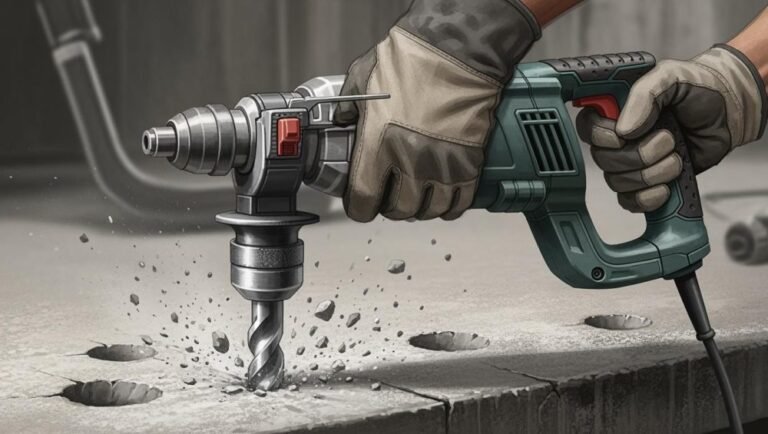
Concrete and masonry need a suitable carbide-tipped bit or another bit specifically rated for the material. A rotary hammer with a compatible masonry bit may be appropriate for demanding concrete work. Do not assume a standard wood or metal twist bit can replace a masonry bit.
For light masonry work
Use a compatible masonry bit and the operating mode specified by the drill manufacturer.
For harder concrete
Use a suitable rotary hammer and matching bit system when the task requires them.
Are Drill Bits Interchangeable Between Brands?
Many drill bits can be used across brands when the shank, dimensions, and tool requirements match. A bit does not normally need to share a brand name with the drill to fit a standard chuck. For example, a compatible round-shank bit from one manufacturer can often be held by a standard drill from another manufacturer.
Brand compatibility is not the same as system compatibility. Two tools from different brands may use the same standard chuck connection, while two tools from the same brand may use different holders. Always compare the connection type and specifications instead of relying on the logo.
The same rule applies to accessories marketed for popular tool platforms. A bit set described as suitable for a certain brand may work with many other tools, but a specialized battery platform, holder, or proprietary accessory system may have limits.
Source: Bing
Standard shanks
Often interchangeable across brands when the chuck can grip the shank correctly.
Specialized systems
Require confirmation of the exact holder and connection standard.
Manufacturer restrictions
Follow stated limits for tool type, speed, impact use, and accessory size.
Are DeWalt, Milwaukee, and Makita Drill Bits Universal?
Many standard drill bits sold by DeWalt, Milwaukee, Makita, and other major tool brands can fit compatible drills from different manufacturers. The deciding factor is usually the shank and chuck, not the brand printed on the case.
However, a branded bit set is not automatically suitable for every tool. Check whether it contains round-shank twist bits, hex-shank accessories, SDS bits, or other specialized items. Also confirm whether each bit is rated for drilling, screw driving, impact use, or another task.
Compare dimensions
Check shank diameter and the drill’s chuck capacity.
Compare tool systems
Confirm that any SDS, quick-change, or proprietary holder matches.
Do Drill Bits Fit Impact Drivers?
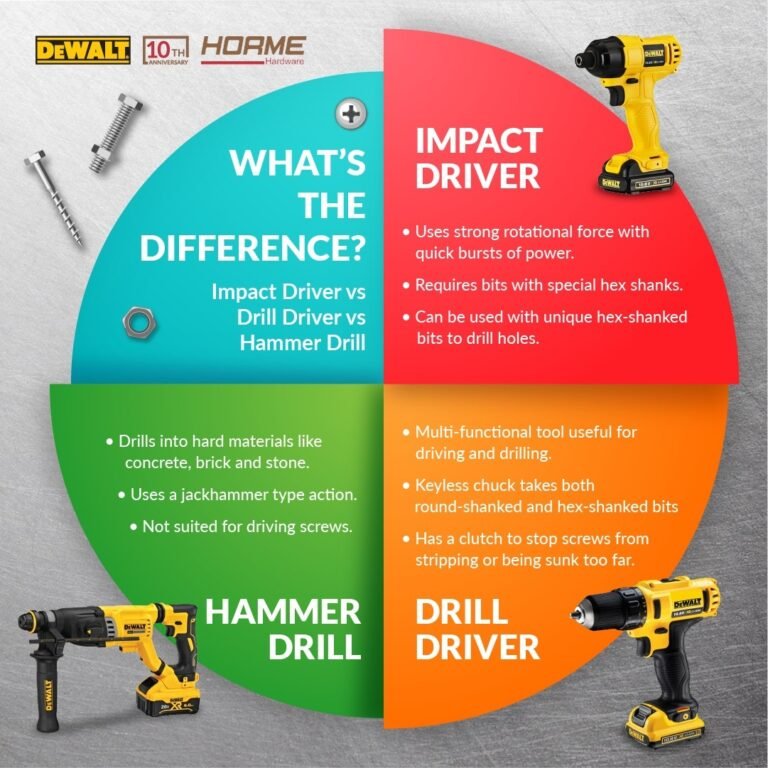
Some drill bits fit impact drivers, but not all do. Most impact drivers use a quick-release hex collet, commonly designed for compatible 1/4-inch hex-shank accessories. A standard round-shank drill bit will not normally lock directly into that collet.
Hex-shank drill bits made for impact drivers can be useful for suitable tasks. Some accessories also use a hex-shank adapter to connect a drill chuck or another holder. An adapter changes the connection, but it does not automatically make every bit suitable for impact forces.
Impact drivers deliver rotational impacts and can place high loads on accessories. Use bits and adapters specifically rated for the intended tool and operation. Avoid using a standard drill chuck adapter in an impact driver unless the adapter manufacturer explicitly permits that use.
Source: Bing
Direct fit
Use compatible hex-shank bits designed for the impact driver’s collet.
Adapter use
Check the adapter’s rating and the manufacturer’s instructions before use.
Correct tool choice
A drill driver is often the better option for precise drilling when impact action is unnecessary.
Can a Drill Bit Break in an Impact Driver?
Yes. A bit can break if it is not designed for impact use, if the load is too high, or if it binds in the workpiece. The risk depends on the bit material, geometry, size, workpiece, and operating conditions. Stop if the bit binds or shows signs of damage, and use an accessory rated for the task.
Inspect first
Do not use bent, cracked, chipped, or badly worn bits.
Avoid excess force
Let the cutting edge work and follow the accessory’s operating guidance.
How to Check Whether a Drill Bit Fits Your Drill
You can usually check compatibility by examining the shank, reading the drill specifications, and testing the fit with the tool switched off. Do not rely on appearance alone. A bit that seems close to the right size may still be held poorly or may belong to a different connection system.
Before checking a bit, remove the battery from a cordless drill or unplug a corded drill. Keep the trigger clear and follow the manufacturer’s instructions for changing accessories. If the tool uses a special holder, confirm the correct locking procedure before inserting the bit.
Source: Bing
Step 1: Identify the holder
Determine whether the tool has a standard keyed chuck, keyless chuck, hex collet, SDS holder, or specialized attachment.
Step 2: Inspect the shank
Look for a round, hexagonal, grooved, or otherwise specialized connection.
Step 3: Check the size
Compare the shank diameter with the chuck’s rated capacity or the holder’s specifications.
Step 4: Secure the bit
Install it according to the manual and confirm that the chuck or locking system holds it firmly.
Step 5: Match the task
Confirm the bit is designed for the workpiece, hole size, and operating mode.
Signs That a Drill Bit Is Not Compatible
A bit that will not enter the holder, cannot lock into place, or sits crooked should not be forced into the tool. A poorly secured bit can slip, wobble, damage the chuck, or come loose during use. Stop and identify the connection before trying another accessory.
The shank is too large
Use a bit within the chuck’s rated capacity or a tool designed for that connection.
The bit will not lock
Check whether the holder requires a different shank standard.
The bit wobbles
Remove it, inspect the shank and chuck jaws, and reinstall it correctly if compatible.
Drill Bit Compatibility Chart
This chart summarizes common connections and their usual compatibility. It is a starting point, not a replacement for the exact drill and accessory manuals. Individual tools may have different limits, so check the model specifications before use.
Source: Bing
Round-shank bit in a standard drill chuck
Usually compatible if the shank fits the chuck capacity and is clamped securely.
Hex-shank bit in a standard drill chuck
Often compatible when the shank fits and the chuck can grip it properly.
Hex-shank bit in a compatible impact driver
Usually compatible when the bit and collet use the correct connection and the bit is rated for the task.
Round-shank bit in a bare impact-driver collet
Usually not directly compatible because the collet is designed for a matching hex-shank accessory.
SDS-Plus bit in an SDS-Plus rotary hammer
Compatible when the tool supports that system and the bit is appropriate for the task.
SDS-Max bit in an SDS-Plus holder
Not directly compatible. The two systems use different shank dimensions.
Annular cutter in a standard drill chuck
Not automatically compatible. Annular cutters often require a dedicated arbor or compatible machine holder.
Which Drill Bit Size Should You Choose?
Choose the cutting diameter based on the hole you need, then verify that the shank and tool can accommodate the bit. For example, a 1/4-inch hole may require a bit with a 1/4-inch cutting diameter, but the shank may be a different size. These measurements describe different parts of the bit.
For screw holes, use the screw or fastener manufacturer’s guidance when available. Pilot-hole size can vary with screw type, thread, material, and whether the screw is intended for wood, metal, or masonry. Do not choose a pilot bit by diameter alone.
Cutting diameter
The width of the hole the bit is designed to make under suitable conditions.
Shank diameter
The width of the part held by the chuck or holder.
Bit length
The working length affects reach, clearance, and control but does not determine shank compatibility.
Can Adapters Make Drill Bits Universal?
Adapters can connect some otherwise incompatible accessories, but they do not make every drill bit universal. A suitable adapter may let a drill driver use a particular hex-shank accessory or may provide a compatible chuck for a tool designed to accept it. The adapter must match both the tool and the accessory.
Adapters also add length and another connection point. This can increase wobble, reduce clearance, or change how forces act on the assembly. An adapter that works for light drilling may not be rated for hammering, impact loading, or heavy cutting.
Before using an adapter, check its intended tool type, shank size, maximum capacity, and operating restrictions. Never force a mismatched connection or use an unapproved adapter to bypass a locking system.
Source: Bing
Use a rated adapter
Choose one specifically made for the tool and accessory combination.
Check operating mode
Do not use a standard chuck adapter in hammer or impact mode unless the manufacturer explicitly permits it.
Inspect the assembly
Check that each connection locks securely and that the bit runs true before drilling.
When an Adapter Is Not the Right Fix
An adapter is not a good solution when the tool and accessory need fundamentally different operating systems. For example, a standard chuck cannot simply duplicate the retention and movement built into an SDS rotary hammer holder. In such cases, the correct tool or a manufacturer-approved conversion system is the safer choice.
Do not force the fit
A connection that will not seat or lock correctly should not be used.
Do not exceed ratings
The weakest component sets the practical limit of the assembly.
Common Drill Bit Compatibility Mistakes
Most compatibility problems come from assuming that a matching diameter, brand, or product label guarantees a correct fit. A few checks before starting can prevent damage and improve the result. If a bit does not fit as expected, stop and investigate rather than applying more force.
Source: Bing
Confusing cutting diameter with shank diameter
A bit’s cutting end and its shank may have different diameters. Check both when selecting a bit.
Assuming all hex shanks are interchangeable
Hex dimensions and holder designs can vary. Verify the exact size and intended connection.
Using a masonry bit for every material
Masonry bits are designed for specific materials and may not cut wood or metal as cleanly as suitable purpose-built bits.
Using a standard bit in a rotary hammer without the correct holder
Use a compatible chuck or approved accessory only when the tool manufacturer permits that configuration.
Ignoring the chuck’s capacity
A bit that exceeds the rated shank capacity cannot be held safely by that chuck.
Forcing a loose or crooked bit to work
Remove the bit and inspect the connection. Do not drill with a bit that wobbles or slips.
How to Prevent Bit Slippage and Wobble
Disconnect the power source before adjusting the bit. Clean debris from the shank and chuck jaws, then reinstall the bit according to the tool manual. Tighten the chuck correctly and check that the bit is centered.
If wobble remains, inspect the bit for bends and examine the chuck for wear or damage. A damaged chuck may need repair or replacement. Do not try to compensate for a bent bit by tightening the chuck harder.
Keep shanks clean
Dust, grease, and debris can interfere with secure clamping.
Inspect before use
Replace damaged or bent bits rather than attempting to straighten them for powered use.
Secure the workpiece
Use a clamp or suitable fixture when needed, and keep hands clear of the cutting area.
Drill Bit Safety and Maintenance
Correct fit is only one part of safe drilling. Wear suitable eye protection, secure the workpiece, and follow the drill and bit instructions. Use hearing protection and respiratory protection when the material and work conditions call for them.
Before drilling into a wall in a US home, check for hidden electrical wiring, plumbing, and other services. Use appropriate detection methods and consult a qualified professional if the location or risk is unclear. Do not drill into a suspected utility path just because the selected bit fits the drill.
Keep bits sharp, clean, and free from cracks or bends. A dull bit can need more force and create excess heat. Use the recommended speed and cutting fluid where applicable, and stop if the bit binds, overheats, or produces unusual vibration.
Source: Bing
Disconnect before changing bits
Remove the battery or unplug the drill before installing, removing, or adjusting an accessory.
Wear appropriate protection
Use eye protection and other protective equipment suitable for the material and task.
Use the right speed
Follow the bit and tool guidance for diameter, material, and operating mode.
Control dust and debris
Use suitable dust collection and avoid breathing harmful dust, especially when drilling masonry or other hazardous materials.
Stop when something feels wrong
Switch off the tool if the bit slips, binds, wobbles, or shows signs of damage.
When to Replace a Drill Bit
Replace a bit when it is cracked, badly chipped, bent, or too worn to cut properly. Some suitable bits can be sharpened according to the manufacturer’s guidance, but not every bit or coating is designed for repeated sharpening. If a bit has suffered severe heat damage or structural damage, replacement is generally the safer option.
Poor cutting performance
A bit that cuts slowly despite correct speed and technique may be dull or unsuitable.
Visible damage
Cracks, bent shanks, broken tips, or severe wear are reasons to stop using the bit.
Repeated slipping
Check both the bit and the chuck before deciding which component needs repair or replacement.
Frequently Asked Questions
Q
Are all drill bits the same size?
No. Drill bits come in many cutting diameters, shank sizes, lengths, and designs. A bit’s cutting diameter determines the intended hole size, while the shank size affects whether it fits the drill. Check both measurements before buying or installing a bit.
Q
Can I use any brand of drill bit in my drill?
Usually, you can use bits from different brands if their shanks fit your drill and their specifications match the task. Standard round-shank and compatible hex-shank bits are often interchangeable across brands. Specialized connections and tool-specific accessories need closer checking.
Q
Are drill bits universal for wood and metal?
No. Some general-purpose bits can drill more than one material, but wood and metal often need different cutting designs. Choose a bit rated for the material and follow the recommended speed and operating guidance.
Q
Can I put an SDS bit in a regular drill?
An SDS bit will not normally fit directly into a standard drill chuck. A compatible, manufacturer-approved adapter may be available for certain uses, but it does not turn a standard drill into a rotary hammer. For concrete work that needs hammering action, use a suitable tool and bit system.
Q
Will a 1/4-inch drill bit fit a 3/8-inch drill?
Often, yes, if the bit has a compatible shank that the 3/8-inch chuck can grip. The 1/4-inch measurement usually refers to the cutting diameter, not necessarily the shank. Confirm the shank size and the chuck’s specifications before use.
Q
Can I use drill bits in an impact driver?
Some drill bits can be used in an impact driver when they have the correct hex shank and are rated for the intended task. Standard round-shank bits do not normally fit a bare impact-driver collet. Use approved accessories and avoid adapters that are not rated for impact forces.
Q
Do universal drill bit sets work on concrete?
Only if the set includes bits designed for the specific masonry material and the tool can use them correctly. A universal label does not guarantee suitability for concrete, reinforced concrete, or rotary hammer use. Check the bit material, connection, and operating instructions.
Q
How do I know if my drill bit is too big for my drill?
Check the bit’s shank diameter against the chuck’s rated capacity. If the shank exceeds that limit, will not seat properly, or cannot be clamped securely, do not use it in that drill. Also confirm that the drill can handle the cutting diameter and load required by the job.
✦ Wrapping Up
Conclusion
Drill bits are not fully universal, but many standard bits work across a wide range of drills. The most useful starting point is the connection: identify the chuck or holder, check the shank style and size, and confirm that the bit is designed for your material and task.
For common home repairs in the United States, a standard drill driver with a compatible chuck and a well-chosen set of wood, metal, and masonry bits can handle many routine jobs. Specialized tasks may require SDS bits, impact-rated accessories, or a dedicated cutting system. Do not force an incompatible bit or rely on a universal label without checking the specifications.
💡 Key Takeaway
Before using your next drill bit, disconnect the tool, inspect the shank, confirm the chuck or holder capacity, and match the bit to the material. If the connection does not lock securely or the accessory rating is unclear, check the manuals or choose a confirmed compatible bit.
A hex key drill set gives you sixsided bits for internal hexdrive fasteners, so a recessed bolt doesn’t have to wreck your wrist or spin an Lshaped hex key by…