Cobalt Drill Bits vs Black Oxide: Which Is Better?

Are Cobalt Drill Bits Good?
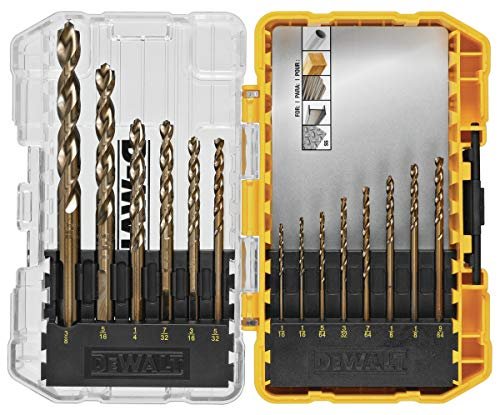
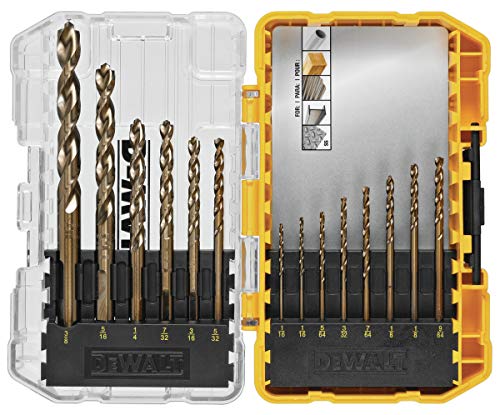
Yes. Cobalt drill bits are an excellent choice when I need to drill hard metals or work with materials that create a lot of heat. They suit metalworkers, mechanics, repair workers, and serious DIY users. Their biggest strength is their steel alloy. Cobalt is mixed into the high-speed steel, rather than added as a thin surface coating.
Most common cobalt bits use M35 or M42 steel. M35 contains about 5% cobalt, while M42 contains about 8%. Both grades hold their cutting ability better under heat than ordinary high-speed steel. This makes them useful for stainless steel, cast iron, and some harder metal alloys.
Think about repairing a stainless steel workbench or drilling holes in a metal bracket. A basic bit may lose its cutting edge if it gets too hot. A good cobalt bit offers a better chance of keeping its edge. I would still use cutting fluid, low speed, and steady pressure. Cobalt does not make poor drilling technique disappear.
For ordinary wood and plastic jobs, cobalt may be more than I need. It also costs more than many standard black oxide sets. I see its value in difficult metal work, not as a reason to use it for every hole.
What Makes It Stand Out / Key Features
- Cobalt Alloy SteelCobalt forms part of the steel itself. It is not just a coating on the outside of the bit.
- Strong Heat ResistanceM35 and M42 cobalt steels keep their cutting hardness at higher temperatures than many standard HSS bits.
- Stainless Steel PerformanceCobalt bits are well suited to drilling stainless steel when the speed, pressure, and cutting fluid are correct.
- Useful for Cast IronThey can drill cast iron and many other tough metal materials with the correct cutting geometry.
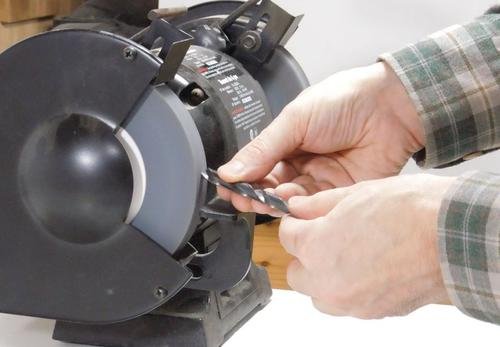
- Can Be ResharpenedThe cobalt alloy runs through the bit, so sharpening the cutting edge does not remove the cobalt from the steel.
- M35 and M42 OptionsM35 is a common choice for handheld drilling. M42 offers higher cobalt content and can suit demanding, controlled drilling work.
- Longer Useful Cutting Life in Tough MetalsWhen used correctly, cobalt bits can last longer than ordinary HSS bits in demanding metal drilling jobs.
My Recommendation
I recommend cobalt drill bits for people who often drill stainless steel, cast iron, and other demanding metals. Choose M35 for many handheld jobs. Consider M42 for suitable controlled applications. Check the steel grade before buying, since a gold or bronze color alone does not prove that a bit contains cobalt.
| Best For | Why |
|---|---|
| Auto repair | Useful for drilling metal brackets, repair parts, and suitable steel components. |
| Stainless steel work | Handles heat better and keeps its cutting edge under demanding conditions. |
| Frequent metal drilling | Offers good wear resistance and can be resharpened. |
Are Black Oxide Drill Bits Good?
Yes. Black oxide drill bits are a practical choice for everyday drilling. I would consider them for home repairs, woodworking, plastic projects, and occasional holes in mild steel. They usually start with high-speed steel, or HSS, and receive a black oxide surface treatment.
That dark finish has a useful purpose. It can improve lubricity, help reduce friction, and provide mild corrosion resistance. It can also help chips move along the bit during drilling. However, black oxide does not turn ordinary HSS into cobalt steel. The base material still controls much of the bit’s strength and heat resistance.
Think about putting up shelves, assembling a workbench, or making holes in a mild steel bracket. These are common jobs where a black oxide bit can make sense. For many homeowners, buying a full black oxide set is a simple way to keep several common sizes in the toolbox.
I would not choose black oxide as my first option for repeated stainless steel drilling. High heat can damage the cutting edge of standard HSS. A cobalt bit is better suited to that work. Black oxide also needs proper care, and its surface treatment does not make it rustproof.
What Makes It Stand Out / Key Features
- High-Speed Steel BaseMost black oxide drill bits use HSS as their base material. This provides a useful balance of cutting ability and cost.
- Black Oxide SurfaceThe surface treatment creates a dark finish and offers some protection against corrosion.
- Reduced FrictionThe treated surface can improve lubricity and help reduce friction during suitable drilling jobs.
- General-Purpose UseThese bits are commonly used for everyday drilling in wood, plastic, and mild steel.
- Affordable SetsBlack oxide sets often cost less than cobalt sets and provide useful size choices for home projects.
- Easy to FindMany hardware stores and tool retailers sell black oxide HSS bits in individual sizes and complete sets.
- Suitable for Routine RepairsThey can handle many basic garage, workshop, and household drilling tasks when the material and bit design match.
My Recommendation
I recommend black oxide drill bits for homeowners, hobbyists, and DIY users who mostly work with wood, plastic, and mild steel. They offer useful everyday performance without the higher cost of cobalt.
| Best For | Why |
|---|---|
| Home repairs | A useful and affordable option for common household drilling tasks. |
| Woodworking | Suitable for many basic holes when the bit design matches the wood. |
| Occasional metal work | Can handle mild steel and similar materials with proper drilling technique. |
Cobalt Drill Bits vs Black Oxide: Side-by-Side Test
The biggest difference in cobalt drill bits vs black oxide is the material itself. Cobalt bits use an alloy that contains cobalt throughout the steel. Black oxide bits use a surface treatment on their base steel, which is often ordinary HSS.
This difference affects heat resistance, metal performance, price, and useful life. Cobalt has the edge in tough metal work. Black oxide makes more sense for routine drilling. The following comparisons focus on typical HSS cobalt and black oxide bits, not every product sold under these names.
1. Material and Construction: What Is the Difference?
The two bits may look similar in a toolbox, but their construction is very different. Cobalt changes the steel alloy, while black oxide changes the surface.
| Feature | Cobalt Drill Bits | Black Oxide Drill Bits |
|---|---|---|
| Base material | Cobalt-alloy high-speed steel | Usually standard high-speed steel |
| Cobalt content | Commonly 5% in M35 or 8% in M42 | Usually no cobalt alloy |
| Surface treatment | May have a polished or other finish | Black oxide conversion treatment |
| Main benefit | Better hot hardness | Mild corrosion resistance and lubricity |
⭐ Cobalt Drill Bits – 9/10 | Black Oxide Drill Bits – 8/10
Cobalt wins for demanding work because its alloy changes the steel itself. Black oxide remains a useful surface treatment for everyday jobs.
2. Heat Resistance: Which Handles More Heat?
Heat is one of the biggest problems when drilling metal. A bit that gets too hot can lose its cutting edge and stop cutting well.
| Feature | Cobalt Drill Bits | Black Oxide Drill Bits |
|---|---|---|
| Heat resistance | High for common HSS bit types | Typical of its HSS base material |
| Stainless steel | Well suited | Generally not the preferred choice |
| Repeated metal drilling | Better suited | Better for lighter work |
| Cooling needs | Cutting fluid is still useful | Correct speed and cooling also matter |
⭐ Cobalt Drill Bits – 9/10 | Black Oxide Drill Bits – 7/10
Cobalt wins because its alloy helps the cutting edge stay hard at higher temperatures. Neither type should be run carelessly.
3. Cutting Performance: Which Drills Tough Metals Better?
The material you plan to drill matters more than the color of the bit. Some metals need a stronger cutting edge and more careful speed control.
| Material | Cobalt Drill Bits | Black Oxide Drill Bits |
|---|---|---|
| Stainless steel | Excellent choice | Not the preferred choice |
| Mild steel | Good choice | Good choice |
| Cast iron | Good choice | Depends on the bit and job |
| Wood and plastic | Works, but often unnecessary | Practical everyday choice |
⭐ Cobalt Drill Bits – 9/10 | Black Oxide Drill Bits – 8/10
Cobalt has the edge for hard metals. Black oxide is a sensible choice for common materials and basic workshop tasks.
4. Durability and Lifespan: Which Lasts Longer?
A drill bit’s useful life depends on its material, sharpness, drilling speed, pressure, and care. The same bit can last for years in one workshop and wear out quickly in another.
| Feature | Cobalt Drill Bits | Black Oxide Drill Bits |
|---|---|---|
| Wear resistance | High in demanding metal work | Good for routine jobs |
| Heat-related wear | Better resistance | More limited |
| Sharpening | Can be resharpened | Can be resharpened |
| Best working conditions | Tough metals and controlled drilling | General-purpose drilling |
⭐ Cobalt Drill Bits – 9/10 | Black Oxide Drill Bits – 8/10
Cobalt is the better long-term choice for demanding metal work. Black oxide can offer good value when the workload is light.
5. Price and Value: Which Saves More Money?
Price matters when you are filling a toolbox. There is little reason to pay extra for a feature that your projects rarely need.
| Feature | Cobalt Drill Bits | Black Oxide Drill Bits |
|---|---|---|
| Purchase cost | Usually higher | Usually lower |
| Budget use | Best for specific tough jobs | Best for everyday needs |
| Professional metal work | Good investment | May not be enough |
| Occasional home use | Can be unnecessary | Often offers better value |
⭐ Cobalt Drill Bits – 8/10 | Black Oxide Drill Bits – 9/10
Black oxide wins on upfront value. Cobalt can offer better value over time when your work regularly involves difficult metals.
6. Sharpening and Maintenance: Which Is Easier to Keep?
Sharp bits cut faster and create less unwanted heat. Both types need proper storage and care, but their surface and material have different roles.
| Feature | Cobalt Drill Bits | Black Oxide Drill Bits |
|---|---|---|
| Resharpening | Yes, cobalt remains in the alloy | Yes, although the treated surface may be removed at the cutting edge |
| Cleaning | Remove chips and cutting fluid | Remove chips and dirt |
| Storage | Keep dry and organized | Keep dry to protect against rust |
| Main care need | Avoid side loads and overheating | Avoid overheating and surface damage |
⭐ Cobalt Drill Bits – 9/10 | Black Oxide Drill Bits – 8/10
Cobalt has a small advantage because its key alloy remains throughout the bit after sharpening. Both need sensible care.
7. Ease of Use: Which Is Better for DIY Users?
A good drill bit should match the user’s skill and the drill. A bit that is too brittle or poorly matched to the material can create problems.
| Feature | Cobalt Drill Bits | Black Oxide Drill Bits |
|---|---|---|
| Beginner projects | Useful for metal-specific work | Good for common projects |
| Handheld drills | M35 is often a practical choice | Suitable for many routine jobs |
| Breakage risk | Can be more brittle | Can tolerate some shock better |
| Learning curve | Needs careful metal drilling technique | Simple for basic drilling |
⭐ Cobalt Drill Bits – 8/10 | Black Oxide Drill Bits – 9/10
Black oxide is easier to justify for general DIY work. Cobalt is worth learning when you need to drill tough metals.
8. Best Applications: Which Should You Choose?
The right choice becomes clear when you match the bit to the material. A good toolbox may include both types.
| Project | Cobalt Drill Bits | Black Oxide Drill Bits |
|---|---|---|
| Stainless steel repair | Best choice | Not recommended as the first choice |
| Wood shelf installation | Usually unnecessary | Good choice |
| Mild steel bracket | Works well | Works well |
| Frequent workshop metal work | Best suited | Better for lighter tasks |
⭐ Cobalt Drill Bits – 9/10 | Black Oxide Drill Bits – 9/10
There is no single winner for every project. Cobalt is the metalworking choice, while black oxide is the everyday toolbox choice.
Final Verdict: Which Should You Buy?
In the cobalt drill bits vs black oxide comparison, cobalt wins for demanding metal work. Its alloy handles heat better and suits stainless steel, cast iron, and many tough metal jobs. M35 is a useful choice for many handheld applications, while M42 suits more controlled work.
Black oxide wins for price and everyday use. It is a practical choice for wood, plastic, and mild steel. If you mostly handle household repairs, there is little reason to pay extra for cobalt. My overall advice is simple: buy cobalt for tough metals and black oxide for routine projects. If your toolbox handles both, keeping a set of each is a smart plan.