Drill vs Driver vs Hammer Drill: Which Wins?


Is a Standard Drill Driver Good?
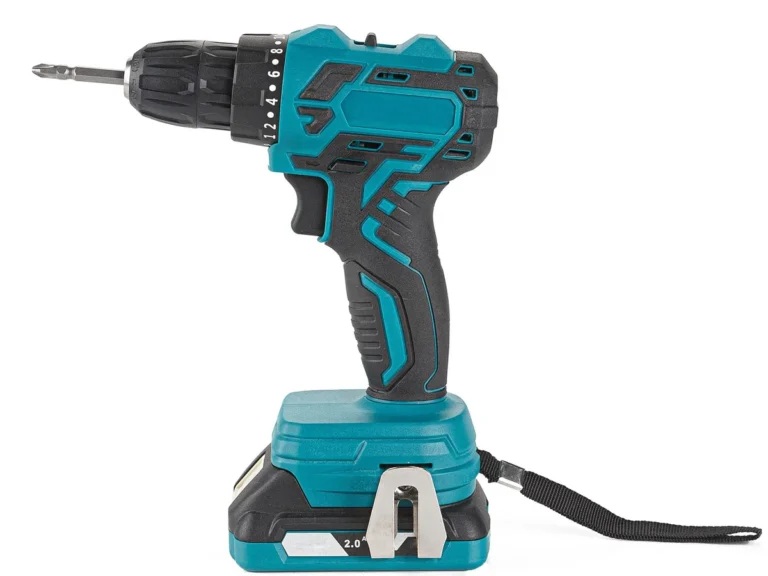
Yes. A standard drill driver is the best starting point for most homeowners. It can drill holes in wood, plastic, and metal with the correct bit. It can also drive screws into many materials. This makes it a useful tool for furniture assembly, home repairs, shelves, and small woodworking projects. If I had to choose one tool for a basic home toolbox, this would be my first choice.
Think about hanging shelves in a bedroom. You may need to drill pilot holes, then drive screws into the wall anchors or wood supports. A drill driver can handle both jobs with the right accessories. Its adjustable clutch also helps control how far a screw goes into the material.
The drill driver does have limits. It does not have the twisting impact action of an impact driver. It also lacks the hammering action needed for efficient masonry drilling. Still, its balance of control and versatility makes it a dependable everyday tool.
What Makes a Drill Driver Stand Out?
- Three-Jaw ChuckThe chuck grips many round-shank and hex-shank bits. This gives the drill broad accessory support for drilling and fastening.
- Adjustable ClutchThe clutch helps limit driving force. It reduces the risk of sinking screws too deeply or damaging softer materials.
- Variable SpeedThe trigger controls speed. A slower setting helps with screwdriving, while a faster setting suits many drilling tasks.
- Two-Speed GearboxMany models offer a low-speed setting for greater control and a high-speed setting for faster drilling.
- Forward and ReverseThe direction switch lets the user drive screws in or back them out.
- Wide Bit SelectionA standard chuck accepts many common drill bits, countersinks, and screwdriver accessories.
My Recommendation
Choose a standard drill driver if you need one tool for common home projects. It is a smart first purchase for furniture, shelves, pilot holes, and general repairs. Look for variable speed, a useful clutch, and a chuck that fits your planned bits.
| Best For | Why |
|---|---|
| First-time homeowners | It covers many common drilling and screwdriving tasks. |
| Furniture assembly | Its clutch and speed control help protect small screws and panels. |
| General DIY work | It accepts many bit types and works across several materials. |
Is an Impact Driver Good?
Yes. An impact driver is an excellent choice for people who drive lots of screws. It delivers strong twisting force through repeated rotational impacts. This helps it drive long screws into wood and handle demanding fastening jobs with less wrist reaction than many standard drills.
Picture a weekend deck project. You have dozens of long deck screws to install. A standard drill may handle the job, but it can slow down as resistance increases. An impact driver is built for this type of work. Its impact mechanism adds short bursts of rotational force when the fastener becomes harder to turn.
An impact driver is not a full replacement for a drill. Most models use a 1/4-inch hex collet instead of a three-jaw chuck. You need compatible accessories, and you may have less control over delicate screws. For a person who builds decks, fences, or wooden frames, it can be a valuable second tool.
What Makes an Impact Driver Stand Out?
- Rotational Impact MechanismThe tool delivers repeated twisting blows when resistance rises. This helps turn stubborn or long fasteners.
- High Driving TorqueThe impact action helps drive large screws into dense wood and other suitable materials.
- Quarter-Inch Hex ColletThe quick-release holder accepts compatible 1/4-inch hex-shank bits and allows fast accessory changes.
- Compact BodyMany impact drivers have a compact shape that makes them useful in tight spaces.
- Reduced Wrist ReactionThe impact mechanism applies turning force in short bursts. This can reduce the sudden reaction felt by the user’s wrist.
- Quick Bit ChangesThe hex collet makes it easy to switch between compatible driver bits.
My Recommendation
Buy an impact driver if you often install long screws or build wooden structures. It is especially useful for decks, fences, framing, and repeated fastening. Keep a standard drill nearby when you need clean holes or more precise screw control.
| Best For | Why |
|---|---|
| Deck builders | It handles repeated installation of long deck screws. |
| Woodworkers | It drives many suitable wood screws with strong rotational force. |
| Contractors | Its compact body and fast fastening action help with repeated work. |
Drill vs Driver vs Hammer Drill: Side-by-Side Test
The biggest difference in the drill vs driver vs hammer drill comparison is the direction and purpose of their force. A standard drill rotates a bit. An impact driver adds twisting impacts. A hammer drill adds forward hammering action along the drill bit.
These tools may look like members of the same family, but they do not perform the same job. A drill driver is a general-purpose tool. An impact driver focuses on fastening. A hammer drill focuses on drilling into masonry when its hammer mode and a suitable bit are available.
1. Main Purpose: What Does Each Tool Do?
Start with the task you do most. This is the easiest way to choose between the three tools.
| Feature | Drill Driver | Impact Driver | Hammer Drill |
|---|---|---|---|
| Main job | Drilling and basic fastening | Driving tough fasteners | Drilling masonry with hammer action |
| Main action | Smooth rotation | Rotation with twisting impacts | Rotation with forward impacts |
| Best common task | Furniture and shelves | Decks and fences | Holes in brick and block |
| General versatility | High | Specialized | High on models with multiple modes |
⭐ Drill Driver – 9.5/10 | Impact Driver – 8.5/10 | Hammer Drill – 9/10
The drill driver wins for general home use, the impact driver wins for heavy fastening, and the hammer drill wins for masonry drilling.
2. Power and Torque: Which Has More Force?
Torque is the twisting force that turns a screw or drill bit. More torque can help with tough work, but control matters just as much.
| Feature | Drill Driver | Impact Driver | Hammer Drill |
|---|---|---|---|
| Twisting force | Adjustable and controlled | High rotational force | Varies by model |
| Impact action | None | Rotational impacts | Axial hammering impacts |
| Long screws | Suitable for many jobs | Excellent | Suitable in normal driving mode on compatible models |
| Control | Usually excellent | Requires trigger control | Good when equipped with a clutch |
⭐ Drill Driver – 8.5/10 | Impact Driver – 10/10 | Hammer Drill – 8.5/10
The impact driver has the edge for demanding screwdriving because its rotational impacts deliver strong turning force.
3. Drilling Performance: Which Makes Better Holes?
A clean hole needs the right bit, speed, and tool. The impact driver can drill with suitable accessories, but a standard drill is usually easier to control.
| Feature | Drill Driver | Impact Driver | Hammer Drill |
|---|---|---|---|
| Wood drilling | Excellent | Good with compatible bits | Excellent in rotary-only mode |
| Metal drilling | Excellent with proper bits | Possible with compatible bits | Excellent in rotary-only mode |
| Plastic drilling | Excellent with proper speed | Possible, but less precise | Good in rotary-only mode |
| Hole control | Excellent | Moderate | Good when hammer mode is off |
⭐ Drill Driver – 10/10 | Impact Driver – 7.5/10 | Hammer Drill – 9/10
The standard drill is the best choice for clean, controlled holes in wood, metal, and plastic.
4. Masonry Work: Which Handles Brick and Concrete?
Masonry is where the hammer drill earns its place. Its forward hammering action helps a suitable masonry bit break into brick, block, and some concrete.
| Feature | Drill Driver | Impact Driver | Hammer Drill |
|---|---|---|---|
| Brick drilling | Limited to suitable light tasks | Not recommended as a substitute | Good for many small holes |
| Concrete drilling | Limited | Not suitable for normal masonry drilling | Suitable for light jobs within model capacity |
| Hammer mechanism | No | No axial hammer action | Yes |
| Heavy concrete work | No | No | An SDS rotary hammer is usually better |
⭐ Drill Driver – 4/10 | Impact Driver – 2/10 | Hammer Drill – 9.5/10
The hammer drill wins for ordinary masonry holes, but an SDS rotary hammer is better for frequent or demanding concrete work.
5. Chuck and Bits: What Accessories Do They Use?
The bit holder affects which accessories fit your tool. Check this before buying a new set of bits.
| Feature | Drill Driver | Impact Driver | Hammer Drill |
|---|---|---|---|
| Typical holder | Three-jaw chuck | 1/4-inch hex collet | Three-jaw chuck on common hammer drill drivers |
| Round-shank bits | Yes | Not directly in most models | Yes on standard chuck models |
| Hex-shank bits | Yes | Yes, compatible 1/4-inch bits | Yes |
| Special masonry bits | Only where suitable | Not a masonry substitute | Use bits approved for the chuck and hammer mode |
⭐ Drill Driver – 10/10 | Impact Driver – 8/10 | Hammer Drill – 9/10
The standard drill offers the broadest bit compatibility, while the impact driver uses a fast hex-bit system.
6. Speed and Ease of Use: Which Feels Simpler?
A tool should save time without making a simple job harder. Weight, balance, trigger control, and noise all affect the experience.
| Feature | Drill Driver | Impact Driver | Hammer Drill |
|---|---|---|---|
| Beginner control | Excellent | Needs practice | Good in rotary mode |
| Repeated fastening | Good | Excellent | Good on suitable models |
| Noise | Usually moderate | Often loud during impacts | Loud in hammer mode |
| Tight spaces | Depends on model | Often excellent | Depends on model and handle design |
⭐ Drill Driver – 9.5/10 | Impact Driver – 9/10 | Hammer Drill – 8/10
The drill driver is easiest for many beginners, while the impact driver saves time during repeated fastening.
7. Price and Value: Which Is Worth Buying?
The cheapest tool is not always the best value. Think about the work you plan to do and whether you need one tool or a full set.
| Feature | Drill Driver | Impact Driver | Hammer Drill |
|---|---|---|---|
| Entry-level options | Widely available | Widely available | Widely available |
| Main value | Everyday versatility | Fast screw installation | Masonry drilling ability |
| Extra accessories | Common drill and driver bits | Impact-rated hex accessories | Compatible masonry bits |
| Best purchase reason | One-tool home use | Frequent fastening | Brick and concrete projects |
⭐ Drill Driver – 10/10 | Impact Driver – 9/10 | Hammer Drill – 9/10
The drill driver offers the best first-tool value for most households, while the other tools add value when their special jobs arise.
8. Versatility: Can One Tool Replace the Others?
Some tools offer several operating modes. However, no single tool is ideal for every task.
| Feature | Drill Driver | Impact Driver | Hammer Drill |
|---|---|---|---|
| Drilling holes | Yes | Yes, with suitable accessories | Yes |
| Driving screws | Yes | Excellent | Yes on drill-driver models |
| Masonry drilling | Limited | Not its intended job | Yes, within its capacity |
| Specialized strength | Control | Fastening power | Masonry performance |
⭐ Drill Driver – 9/10 | Impact Driver – 8/10 | Hammer Drill – 9.5/10
A hammer drill driver with multiple modes can cover several tasks, but a separate impact driver remains better for demanding screw work.
Final Verdict: Which Should You Buy?
The best choice in the drill vs driver vs hammer drill comparison depends on your work. Buy a standard drill driver first if you want one tool for holes, screws, furniture, and home repairs. Choose an impact driver if you install many long screws or build decks and fences. Pick a hammer drill if you often drill into brick, block, or suitable concrete.
My overall recommendation for a typical homeowner is a standard drill driver. It offers the best balance of control and everyday use. If your budget allows, add an impact driver for heavy fastening. Add a hammer drill when masonry work becomes part of your regular projects. For repeated heavy concrete drilling, consider an SDS rotary hammer instead.