Rotary Hammer vs Rotary Drill: Key Differences

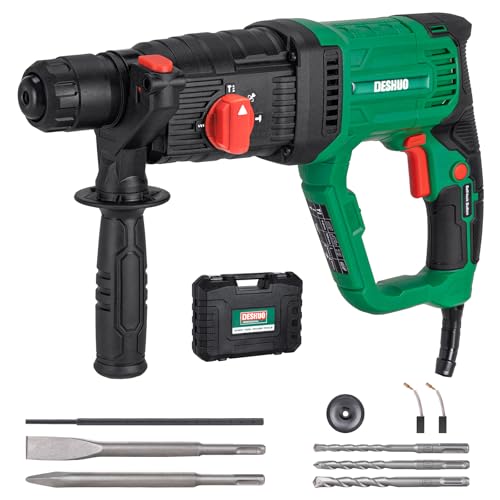
Is a Rotary Hammer Good?
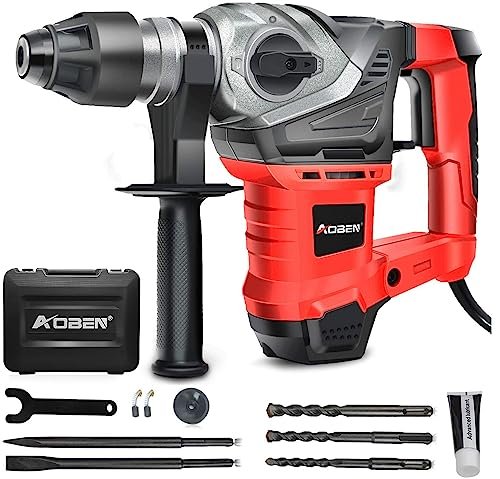
Yes. A rotary hammer is an excellent choice if you often drill into concrete, brick, or stone. It uses a rotating bit and a strong hammering action. This action helps the bit break through hard material as it moves forward. It is far more suitable for demanding masonry work than a standard rotary drill.
Think about a home renovation in Texas or a basement project in the Midwest. You may need to install concrete anchors, run pipes, or attach metal brackets to a masonry wall. A rotary hammer makes these jobs much easier. Its hammer mechanism does much of the hard work. You do not need to force the tool as much as you would with a basic drill.
I would choose this tool for regular concrete work, but I would not buy one just to hang a few pictures. It can be heavier, louder, and more expensive than a standard drill. Some models also need special SDS-Plus or SDS-Max bits. Those extra costs matter if you only use the tool once or twice a year.
What Makes It Stand Out / Key Features
- Rotary hammer actionThe tool spins the bit and drives it forward with rapid hammer blows. This helps break hard concrete and masonry.
- High impact energyRotary hammers use an impact mechanism that delivers strong blows. Manufacturers often rate this force in joules.
- SDS chuck systemMany models use SDS-Plus or SDS-Max bit holders. These allow the bit to move back and forth while staying securely attached.
- Multiple operating modesMany models offer rotation only, rotary hammer drilling, and hammer-only operation. The available modes depend on the model.
- Concrete drilling abilityIt can drill holes for anchors, fasteners, electrical work, and plumbing jobs in concrete and masonry.
- Chiseling supportSome rotary hammers offer a hammer-only mode for light chiseling, tile removal, and small demolition tasks.
- Vibration controlSome models include vibration reduction systems that make longer jobs more comfortable.
My Recommendation
Choose a rotary hammer if you regularly work with concrete, brick, or stone. It is especially useful for contractors, electricians, plumbers, and homeowners doing major renovations. For occasional wood or metal drilling, a standard rotary drill makes more sense.
| Best For | Why |
|---|---|
| Concrete contractors | The hammer mechanism makes repeated masonry drilling faster and easier. |
| Home renovators | Useful for concrete anchors, basement work, and masonry repairs. |
| Electricians and plumbers | Helps create holes in masonry for wiring, pipes, and fittings. |
Is a Rotary Drill Good?
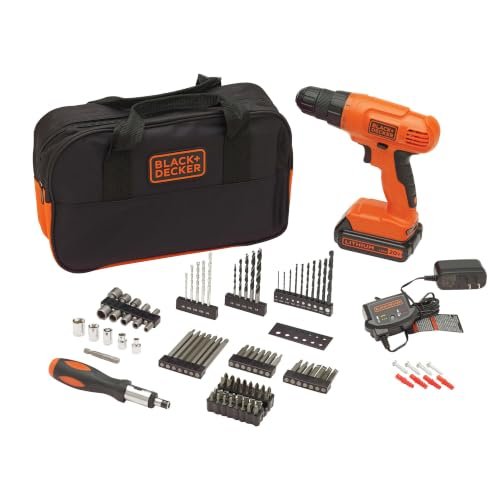
Yes. A standard rotary drill is a great tool for everyday drilling. It spins a cutting bit to make holes in materials such as wood, plastic, and metal. It also works well for many home repair tasks. Its simple design makes it useful for homeowners, DIY fans, and tradespeople.
Think about building a bookshelf, installing cabinet handles, or making pilot holes for screws. These jobs do not need the strong impact of a rotary hammer. A rotary drill gives you better control and is often easier to handle. Many models also include adjustable speed and a clutch for driving screws.
I would choose a rotary drill as the main household drill if most of the work involves wood, metal, and light repairs. However, a standard rotary drill is not the right tool for regular concrete drilling. Some drills include a separate hammer mode, but that does not make them equal to a dedicated rotary hammer.
What Makes It Stand Out / Key Features
- Rotational drillingThe motor turns a drill bit to cut holes in wood, plastic, metal, and other suitable materials.
- Adjustable speedMany models offer variable-speed triggers. This lets you start slowly and increase speed as needed.
- Adjustable clutchA clutch on many drill drivers helps control screw-driving force and reduces the risk of stripping screws.
- Standard chuckMany rotary drills use a keyless chuck that accepts common round-shank and hex-shank drill bits within its rated capacity.
- Forward and reverseThe direction switch lets you remove screws and back out bits when needed.
- Compact designMany standard drills are lighter and easier to control than rotary hammers, although size varies by model.
- Everyday versatilityWith suitable bits and accessories, it can handle drilling, screw driving, furniture assembly, and many repair tasks.
My Recommendation
Choose a rotary drill if you need one useful tool for everyday home repairs, woodworking, furniture assembly, and light metalwork. It is a practical first drill for most homeowners. If you often drill concrete, add a rotary hammer to your tool collection.
| Best For | Why |
|---|---|
| Homeowners | Handles common repairs, shelves, cabinets, and furniture projects. |
| DIY woodworkers | Offers control for pilot holes, larger holes, and general woodworking. |
| Metalworkers | Can drill metal with the correct bit, speed, and cutting method. |
Rotary Hammer vs Rotary Drill: Side-by-Side Test
The main difference in rotary hammer vs rotary drill comes down to impact force. Both tools spin a drill bit, but a rotary hammer also delivers powerful forward blows. A standard rotary drill relies mainly on the cutting action of its bit.
This difference affects speed, comfort, price, and the materials each tool can handle. The ratings below are practical category-level assessments, not laboratory test results or hands-on scores for the linked products.
1. Drilling Power: Which Is Stronger?
Drilling power matters most when you work with hard materials. A rotary hammer has a clear advantage in concrete because it combines rotation with impact force.
| Feature | Rotary Hammer | Rotary Drill |
|---|---|---|
| Impact mechanism | Powerful piston or electropneumatic impact system | No impact on a standard model |
| Concrete drilling | Excellent | Poor to limited |
| Wood drilling | Good in rotation-only mode | Excellent |
| Metal drilling | Possible with the correct mode and chuck | Excellent with suitable bits |
⭐ Rotary Hammer – 10/10 | Rotary Drill – 7/10
The rotary hammer wins for raw masonry power. The rotary drill is strong enough for most everyday materials.
2. Speed: Which Finishes Work Faster?
Speed depends on the material, bit, hole size, and tool design. A rotary hammer usually saves more time when drilling repeated holes in concrete.
| Feature | Rotary Hammer | Rotary Drill |
|---|---|---|
| Small concrete holes | Fast and efficient | Slow and demanding |
| Large masonry holes | Better suited | Often unsuitable |
| Wood pilot holes | Capable in rotation-only mode | Fast and easy |
| General repair work | Can be less convenient | Usually more convenient |
⭐ Rotary Hammer – 9/10 | Rotary Drill – 8/10
The rotary hammer is faster for tough masonry. The rotary drill is often quicker for ordinary household jobs.
3. Versatility: Which Handles More Tasks?
A versatile tool can handle several jobs without forcing you to buy more equipment. Both tools offer useful features, but their strengths differ.
| Feature | Rotary Hammer | Rotary Drill |
|---|---|---|
| Concrete drilling | Excellent | Limited on standard models |
| Woodworking | Good with rotation-only mode | Excellent |
| Screw driving | Usually not ideal | Good on drill-driver models |
| Light demolition | Possible on chiseling models | Not suitable |
⭐ Rotary Hammer – 8/10 | Rotary Drill – 9/10
The rotary drill wins for everyday versatility. The rotary hammer offers more value when masonry and chiseling are part of the job.
4. Ease of Use: Which Feels Better?
Comfort matters when you work for long periods or hold a tool above your head. A standard rotary drill is usually easier to control.
| Feature | Rotary Hammer | Rotary Drill |
|---|---|---|
| Weight | Often heavier | Often lighter |
| Vibration | Higher impact vibration | Usually lower |
| Handling | Needs a firm grip and control | Often easier for beginners |
| Long work sessions | Benefits from vibration control | Usually more comfortable for light tasks |
⭐ Rotary Hammer – 7/10 | Rotary Drill – 9/10
The rotary drill wins for simple handling. A rotary hammer needs more care because its impact action creates stronger vibration.
5. Price: Which Gives Better Value?
Price varies by brand, motor type, battery platform, power rating, and included accessories. A basic rotary drill often costs less than a quality rotary hammer.
| Feature | Rotary Hammer | Rotary Drill |
|---|---|---|
| Entry-level cost | Usually higher | Usually lower |
| Bit cost | SDS bits may cost more | Common bits are widely available |
| Maintenance | More complex impact mechanism | Generally simpler design |
| Value for concrete work | High | Low |
⭐ Rotary Hammer – 8/10 | Rotary Drill – 9/10
The rotary drill is the better low-cost choice for general use. The rotary hammer is worth its higher cost for regular masonry work.
6. Durability: Which Handles Tough Jobs?
A tool’s life depends on build quality, correct use, maintenance, and workload. Neither tool will last if you push it beyond its design.
| Feature | Rotary Hammer | Rotary Drill |
|---|---|---|
| Heavy masonry work | Designed for this task | Not ideal |
| Everyday drilling | Capable but often oversized | Designed for this type of work |
| Impact mechanism | Needs proper care and service | Not present on standard models |
| Tool lifespan | Depends on duty rating and maintenance | Depends on duty rating and maintenance |
⭐ Rotary Hammer – 9/10 | Rotary Drill – 8/10
The rotary hammer has the edge for repeated masonry work. The rotary drill is a dependable choice for lighter daily tasks.
7. Noise and Safety: Which Is Easier to Manage?
Both tools need safe handling. However, the rotary hammer creates stronger impacts and often more noise when it works on concrete.
| Feature | Rotary Hammer | Rotary Drill |
|---|---|---|
| Operating noise | Often louder | Usually quieter |
| Vibration | Higher | Usually lower |
| Dust exposure | High during dry masonry drilling | Varies by material |
| Safety needs | Eye, hearing, respiratory, and hand protection | Eye protection and material-specific precautions |
⭐ Rotary Hammer – 7/10 | Rotary Drill – 9/10
The rotary drill is easier to manage for basic tasks. Both need proper safety gear, and concrete drilling needs special attention to dust.
Final Verdict: Which Should You Buy?
In the rotary hammer vs rotary drill comparison, the rotary hammer wins for concrete, brick, and stone. Its impact action makes hard masonry work easier and more efficient. It is the better choice for contractors and homeowners who often work on concrete walls, floors, and foundations.
A standard rotary drill is the smarter choice for most everyday repairs. It handles wood, metal, plastic, furniture, and general DIY work with better control. If you can only buy one tool for simple household tasks, start with a rotary drill. If concrete is your main challenge, choose a rotary hammer instead. For frequent work across both types of material, owning both tools gives you the most flexibility.