Carbide vs Titanium Drill Bit: Which Is Better?


Are Carbide Drill Bits Good?
Yes. Carbide drill bits are an excellent choice when the job involves hard, abrasive, or difficult materials. They can offer excellent wear resistance and keep their cutting edges longer than many ordinary high-speed steel bits. However, carbide is not one single drill bit design. Some bits have carbide tips, while others use solid carbide throughout. Their uses can differ quite a lot.
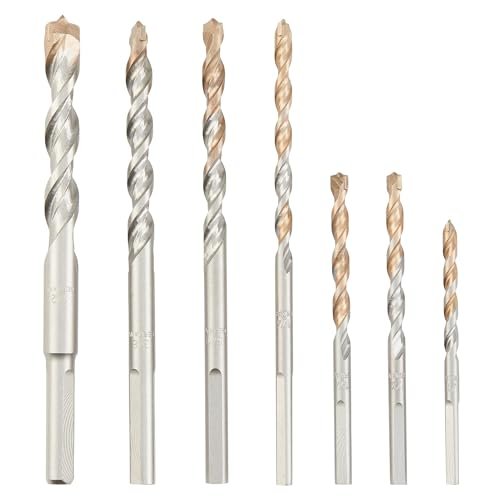
Think about drilling into a concrete wall to mount a shelf in an American home. A carbide-tipped masonry bit is a sensible choice for that task. It has a hard cutting tip that can handle abrasive mineral materials. A solid carbide bit may also suit specialized metalworking jobs, depending on its geometry and grade. However, carbide is brittle. I would avoid using a standard carbide bit carelessly in a handheld drill because side pressure or sudden movement can chip it. In the carbide vs titanium drill bit comparison, carbide wins when hardness and wear resistance matter most.
What Makes Carbide Drill Bits Stand Out?
- High HardnessCarbide has very high hardness. This helps its cutting edge work against tough and abrasive materials.
- Strong Wear ResistanceA suitable carbide bit can resist edge wear during demanding drilling tasks. This can reduce how often you need to replace it.
- Different Bit DesignsCarbide is available in solid carbide and carbide-tipped designs. The right design depends on the material and drilling method.
- Masonry ApplicationsCarbide-tipped masonry bits are common for drilling into concrete, brick, block, and other mineral materials.
- Specialized MetalworkingSolid carbide bits can cut hard metals when the bit grade, cutting geometry, machine, and setup are suitable.
- Heat ResistanceCarbide can retain useful hardness at higher cutting temperatures than many ordinary tool steels. Proper speed and cooling still matter.
- Long Service PotentialIn the right application, carbide can provide long tool life and consistent cutting performance.
My Recommendation
I would consider carbide when drilling hard materials, masonry, or parts that need a wear-resistant cutting edge. Choose the exact bit design for the job rather than buying carbide based on its name alone.
| Best For | Why |
|---|---|
| Concrete and masonry | Carbide-tipped masonry bits handle abrasive mineral materials. |
| Precision machining | Solid carbide bits can offer excellent cutting accuracy and wear resistance. |
| Repeated demanding work | Long tool life can help reduce frequent bit changes. |
Are Titanium Drill Bits Good?
Yes. Titanium drill bits are a good option for many home projects, garage repairs, and general metalworking tasks. But there is one important detail: most titanium drill bits are not made from solid titanium. They are usually high-speed steel bits with a thin titanium-based coating, often titanium nitride. This coating can improve surface hardness and reduce friction.
Imagine drilling holes in a mild steel shelf bracket or aluminum panel for a home improvement project. A sharp titanium-coated HSS bit can handle this work well when you use the right speed and cutting technique. These bits are also useful for wood and plastic, provided the bit geometry suits the material. However, the coating does not make the entire bit extremely hard. Once you sharpen it, you may remove the coating from the cutting edge. In the carbide vs titanium drill bit comparison, titanium-coated bits offer a more affordable and flexible option for common drilling jobs.
What Makes Titanium Drill Bits Stand Out?
- Titanium-Based CoatingMany titanium drill bits use a titanium nitride coating over a high-speed steel body. The coating helps protect the surface against wear.
- Lower FrictionA suitable coating can reduce friction between the bit and workpiece, which may improve drilling performance.
- General Metal DrillingTitanium-coated HSS bits work well for common metals such as mild steel and aluminum when used within their limits.
- Good VersatilityWith the correct cutting geometry, these bits can also drill wood and plastic.
- Affordable OptionsMany titanium-coated bit sets cost less than comparable specialized solid carbide sets.
- Easier HandlingHSS has more toughness than carbide. This makes many titanium-coated bits more forgiving during ordinary handheld drilling.
- Coating ProtectionThe coating can help resist surface wear, but it does not change the entire steel core into solid titanium or carbide.
My Recommendation
I would choose titanium-coated HSS bits for regular home repairs, light metalwork, and general drilling. They offer a useful mix of price, toughness, and versatility without requiring a specialized setup.
| Best For | Why |
|---|---|
| DIY home projects | They offer practical performance for many everyday drilling tasks. |
| Mild steel and aluminum | A sharp HSS cutting edge can drill these metals effectively. |
| Budget-conscious users | Many titanium-coated HSS sets provide several common sizes at an affordable price. |
Carbide vs Titanium Drill Bit: Side-by-Side Test
The biggest difference in the carbide vs titanium drill bit debate is the material and construction. Carbide is a hard cutting material. Titanium drill bits are usually HSS bits with a thin titanium-based coating. These are not two identical bit types with different colors.
Both can perform well, but their strengths do not overlap in every task. Carbide is a better choice for certain hard and abrasive materials. Titanium-coated HSS is often more practical for general-purpose drilling. The comparisons below use typical bit properties, not results from a controlled hands-on test.
1. Hardness: Which Bit Is Stronger?
Hardness helps a drill bit resist wear and maintain its cutting edge. Carbide has a clear advantage in this area.
| Feature | Carbide | Titanium-Coated HSS |
|---|---|---|
| Cutting material | Cemented carbide or carbide tip | High-speed steel with a thin coating |
| Surface hardness | Very high | Improved by the coating |
| Wear resistance | Excellent in suitable applications | Good for general drilling |
| Edge retention | Often excellent | Depends on coating and HSS quality |
⭐ Carbide – 10/10 | Titanium-Coated HSS – 8/10
Carbide has the edge in hardness and wear resistance. Titanium-coated HSS remains a useful choice for ordinary drilling.
2. Durability: Which Lasts Longer?
A drill bit’s life depends on the material, speed, pressure, cooling, and workpiece. Carbide often lasts longer in the right conditions, but it is not immune to damage.
| Feature | Carbide | Titanium-Coated HSS |
|---|---|---|
| Wear resistance | Very high | Good while the coating remains intact |
| Impact tolerance | Low compared with HSS | Generally higher |
| Edge life | Long under suitable conditions | Depends on coating and drilling conditions |
| Main failure risk | Chipping or breaking | Wear, overheating, or dulling |
⭐ Carbide – 9.5/10 | Titanium-Coated HSS – 8/10
Carbide usually wins in wear resistance, while titanium-coated HSS offers more forgiveness during everyday handling.
3. Drilling Speed: Which Works Faster?
Neither material guarantees faster drilling in every situation. The right cutting geometry and speed matter just as much as the material.
| Feature | Carbide | Titanium-Coated HSS |
|---|---|---|
| Suitable cutting speed | Can support high speeds in the correct setup | Usually suited to moderate cutting speeds |
| Hard material drilling | Strong performance with the correct bit | Limited on very hard materials |
| General metalwork | May be more specialized than needed | Practical for many common jobs |
| Setup sensitivity | High, especially with solid carbide | Generally more forgiving |
⭐ Carbide – 9/10 | Titanium-Coated HSS – 8.5/10
Carbide can support faster cutting in suitable machines and materials, but titanium-coated HSS is often easier for everyday users.
4. Material Compatibility: Which Is More Versatile?
This category depends heavily on the exact bit design. A masonry bit, a solid carbide metalworking bit, and a titanium-coated twist bit are not interchangeable.
| Feature | Carbide | Titanium-Coated HSS |
|---|---|---|
| Concrete and brick | Excellent with a carbide-tipped masonry bit | Generally unsuitable |
| Mild steel | Suitable with the correct metalworking bit | Good |
| Aluminum | Possible with suitable geometry | Good with a suitable HSS bit |
| Wood and plastic | Specialized designs may work | Good with suitable cutting geometry |
⭐ Carbide – 9/10 | Titanium-Coated HSS – 8.5/10
Carbide wins for masonry and specialized hard-material work, while titanium-coated HSS is a practical choice for common DIY materials.
5. Price: Which Offers Better Value?
Price matters when you need a full set or replace bits often. The cheapest bit is not always the best value if it wears out too soon.
| Feature | Carbide | Titanium-Coated HSS |
|---|---|---|
| Typical purchase cost | Often higher for quality specialized bits | Often lower |
| Replacement frequency | Can be lower in suitable applications | May be higher with frequent use |
| DIY budget | Can be expensive for general use | Usually budget-friendly |
| Long-term value | Strong for demanding repeated jobs | Good for occasional and general work |
⭐ Carbide – 8.5/10 | Titanium-Coated HSS – 9.5/10
Titanium-coated HSS wins on initial cost, while carbide can offer better long-term value in demanding applications.
6. Heat Resistance: Which Handles Heat Better?
Drilling creates friction and heat. Too much heat can damage a cutting edge, so material choice and proper technique both matter.
| Feature | Carbide | Titanium-Coated HSS |
|---|---|---|
| Hot hardness | Excellent | Good, but lower than carbide |
| Heat-related wear | Strong resistance | Coating can help reduce surface wear |
| Cooling needs | Depends on application and machine | Cutting fluid may help with metal drilling |
| Overheating risk | Can still chip or fail | Can lose hardness and cutting ability |
⭐ Carbide – 9.5/10 | Titanium-Coated HSS – 8/10
Carbide handles high cutting temperatures better, but correct speed and cooling remain important for both.
7. Ease of Use: Which Is Better for Beginners?
A beginner needs a bit that works well without demanding a perfect setup. HSS construction gives titanium-coated bits an advantage here.
| Feature | Carbide | Titanium-Coated HSS |
|---|---|---|
| Handheld drilling | Requires care, especially with solid carbide | Generally suitable |
| Resistance to side pressure | Low | Generally better |
| Maintenance | Specialized sharpening may be needed | Can be resharpened, but coating may be lost |
| Beginner friendliness | Depends on bit type and application | Good for ordinary drilling |
⭐ Carbide – 7/10 | Titanium-Coated HSS – 9.5/10
Titanium-coated HSS is generally easier for beginners, while carbide rewards users who can control the drilling setup.
Final Verdict: Which Should You Buy?
The carbide vs titanium drill bit choice is not about finding one winner for every job. Carbide is the better option for hard, abrasive materials, masonry, and specialized machining. It offers excellent hardness and wear resistance, but it can break under sudden side pressure.
Titanium-coated HSS is the better everyday choice for many homeowners, DIY users, and garage projects. It costs less, handles common metals well, and offers better toughness. I would keep a quality titanium-coated set for routine repairs and choose carbide bits for specific demanding tasks. Match the bit to the material, and both can earn a place in your toolbox.