Robertson vs Phillips Screwdriver: Which Is Better?
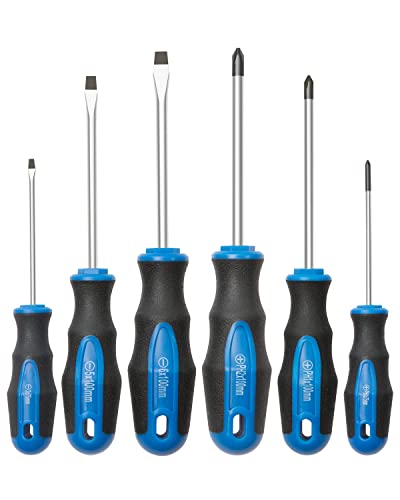
Is Robertson Square Drive Good?
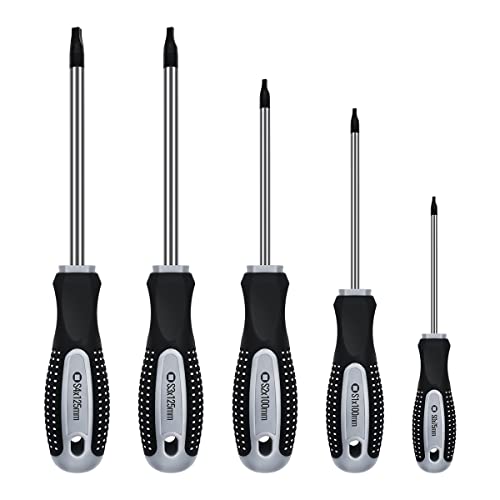
Yes, especially for woodwork, decking, cabinets, and jobs where I need steady torque. The square recess gives the bit a firm seat. That makes the tool feel more like a key fitting a lock than a tip sitting in a shallow groove. Square-drive screws are also known as Robertson-drive screws. They are designed to resist slipping under higher torque than Phillips and slotted drives. ([McMaster-Carr][1])
I noticed this most when driving long wood screws. With a Robertson bit, I could keep the driver aligned without fighting the bit as much. That matters when I am working overhead or using a power driver. I also like that the bit can stay engaged with the screw during setup. For woodworking, that small benefit feels huge after dozens of screws.
The catch is availability. Phillips screws are everywhere in American hardware aisles. Robertson screws are common in many woodworking and construction settings, but they are not as universal. So my answer in the robertson vs phillips screwdriver debate is yes for torque-heavy work, but it depends on the screws already in front of you.
What Makes It Stand Out / Key Features
- Square RecessThe square shape gives the matching bit a firm four-sided contact point.
- Strong Torque HandlingSquare-drive screws are designed to handle more torque than Phillips and slotted drives. ([McMaster-Carr][1])
- Reduced SlipThe snug fit helps keep the driver seated when force rises.
- Good Woodworking FitSquare bits are well suited to woodworking and tough wood fastening. ([McMaster-Carr][2])
- Power Tool FriendlySquare bits are available with hex shanks for drills and impact-style drivers.
- Easy AlignmentThe driver centers naturally in the square recess, which makes setup simple.
My Recommendation
Consider Robertson if you build with wood often or want strong bit engagement. It is also a smart choice for repeated screw driving where slip wastes time.
| Best For | Why |
|---|---|
| Woodworkers | Strong engagement helps with repeated wood fastening. |
| Deck Builders | The square drive stays seated well during high-torque work. |
| DIY Projects | It feels stable and easy to control. |
Is Phillips Cross Drive Good?
Yes, and for many US homes it remains the practical default. Phillips screws are familiar, easy to find, and supported by a huge range of screwdriver bits. When I open a drawer of mixed hardware, Phillips is often the first driver I reach for because there is a good chance it will fit.
Phillips also works well for light and medium-duty repairs. I have used it for furniture, appliances, brackets, electronics, and everyday household fixes. The cross shape makes it easy to identify, and replacement bits are simple to find. That convenience is hard to ignore.
The main weakness appears when I push hard. Phillips drives can cam out, meaning the bit climbs out of the recess as torque rises. That can damage the screw head and the bit. So in a robertson vs phillips screwdriver comparison, Phillips wins on availability and familiarity, while Robertson has the advantage when secure torque transfer matters most.
What Makes It Stand Out / Key Features
- Cross-Shaped RecessThe familiar cross shape is easy to recognize and match.
- Wide AvailabilityPhillips screws and bits are common across home repair and assembly tasks.
- Simple Bit SelectionCommon Phillips sizes make basic tool matching straightforward.
- Good General UseIt works well for many light and medium-duty household jobs.
- Easy ReplacementReplacement Phillips bits are widely available in US hardware stores.
- Compact Tool OptionsPhillips tips are found in hand drivers, bit sets, drills, and multi-tools.
My Recommendation
Choose Phillips if you want one familiar driver for common household repairs. It makes sense for mixed hardware, furniture, appliances, and general maintenance.
| Best For | Why |
|---|---|
| Homeowners | Phillips screws are common in everyday repairs. |
| General DIY | It covers many basic fastening jobs. |
| Mixed Hardware | Finding compatible Phillips bits is usually easy. |
robertson vs phillips screwdriver: Side-by-Side Test
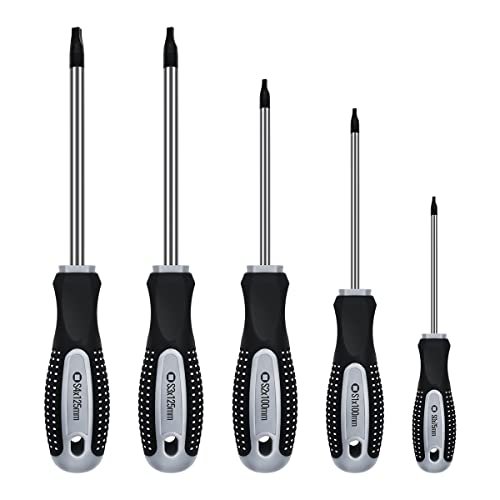
The robertson vs phillips screwdriver choice comes down to how the drive transfers force. Robertson uses a square recess. Phillips uses a cross recess. Each can be useful, but they behave differently when the load rises.
I would not treat one as a replacement for the other. A good US tool box can benefit from both. The better choice depends on the screw type, the material, and how much force the job needs.
Grip: Which Holds Better?
Grip matters most when the screw resists and your hand starts to push harder.
| Feature | Product 1 | Product 2 |
|---|---|---|
| Drive shape | Square recess | Cross recess |
| Bit engagement | Firm and centered | Good with correct bit |
| High-load stability | Very strong | More prone to cam-out |
⭐ Product A – 9/10 | Product B – 7/10
Robertson has the edge when firm bit engagement is the goal.
Torque: Which Handles Force?
When I drive a long screw into wood, torque becomes a major part of the test.
| Feature | Product 1 | Product 2 |
|---|---|---|
| Torque transfer | Excellent | Good |
| Slip resistance | High | Moderate |
| Heavy fastening | Strong choice | Less ideal |
⭐ Product A – 9/10 | Product B – 6.5/10
Robertson has the edge for high-torque fastening.
Availability: Which Is Easier?
This is where Phillips becomes hard to beat in a typical American home.
| Feature | Product 1 | Product 2 |
|---|---|---|
| Common screws | Moderate | Very common |
| Bit availability | Good | Excellent |
| Mixed household use | Good | Excellent |
⭐ Product A – 7/10 | Product B – 9/10
Phillips has the edge for everyday availability.
Speed: Which Drives Faster?
A stable bit can save time because I spend less effort correcting slips.
| Feature | Product 1 | Product 2 |
|---|---|---|
| Initial alignment | Easy | Easy |
| Power driving | Very stable | Fast when load is low |
| Repeated fastening | Excellent | Good |
⭐ Product A – 9/10 | Product B – 8/10
Robertson has the edge when many screws need strong, steady driving.
Screw Damage: Which Protects Better?
A damaged recess can turn a simple repair into a struggle, so I pay close attention here.
| Feature | Product 1 | Product 2 |
|---|---|---|
| Cam-out resistance | High | Lower under high torque |
| Risk from poor bit fit | Moderate | High |
| Heavy-duty use | Very good | Fair to good |
⭐ Product A – 9/10 | Product B – 6.5/10
Robertson has the edge when avoiding drive damage matters.
Comfort: Which Feels Easier?
Comfort is not only about the handle. It also comes from how much force the bit makes me fight.
| Feature | Product 1 | Product 2 |
|---|---|---|
| Hand control | Excellent | Good |
| Long jobs | Low frustration | Can need more pressure |
| Beginner friendly | Very good | Excellent |
⭐ Product A – 9/10 | Product B – 8/10
Robertson feels more relaxed when the job needs steady pressure.
Woodworking: Which Wins?
Wood projects are where the square drive really starts to shine for me.
| Feature | Product 1 | Product 2 |
|---|---|---|
| Wood screw use | Excellent | Good |
| High torque | Excellent | Fair to good |
| Repeat fastening | Excellent | Good |
⭐ Product A – 9.5/10 | Product B – 7/10
Robertson has the edge for regular woodworking.
Final Verdict: Which Should You Buy?
In the robertson vs phillips screwdriver debate, I would choose Robertson for woodwork, decking, cabinet work, and jobs that need strong torque. Its square recess gives the bit a firm seat and helps reduce slipping. Square-drive screws are specifically noted for handling more torque than Phillips and slotted drives. ([McMaster-Carr][1])
I would choose Phillips for general home repair, mixed hardware, furniture, and situations where easy availability matters most. It remains a practical all-around option. If you do a lot of DIY work, keeping both types is the safest move. They are not rivals in every job. They are two tools for different parts of the toolbox.