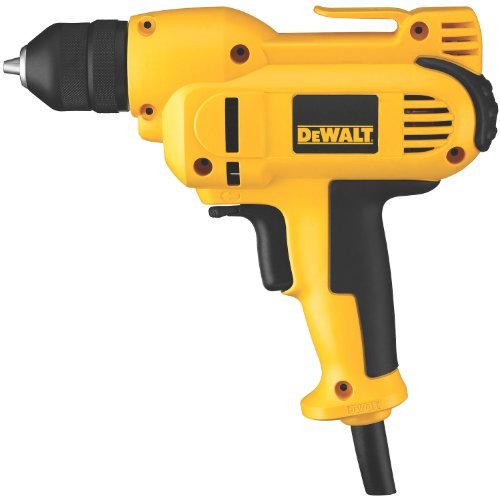
Impact Drill vs Hammer Drill: Key Differences

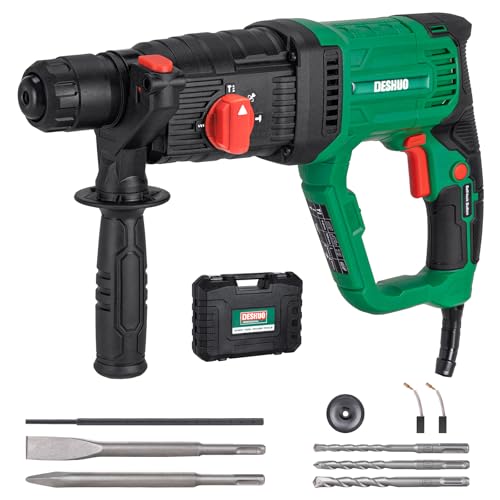
Is an Impact Drill Good?
Yes. An impact driver is an excellent choice for people who drive lots of screws, build wooden frames, install decks, or work with large fasteners. Its main strength is rotational impact. When a screw becomes hard to turn, an internal hammer and anvil deliver quick bursts of twisting force. This helps the screw move without putting as much twisting force back into your wrist.
Think about building a backyard deck in the United States. You may need to drive dozens of long deck screws into wooden boards. A regular drill can struggle as resistance grows. An impact driver makes this job easier and can save time. I would keep one ready for repeated fastening work, especially when switching between pilot holes and screws.
However, an impact driver is not a true masonry drill. Its twisting action does not push a masonry bit forward in the same way as a hammer drill. It also uses a 1/4-inch hex collet on most models instead of a standard three-jaw chuck. This means you need compatible bits. For everyday screw driving, it is a strong tool. For drilling into brick or concrete, I would choose a different tool.
What Makes an Impact Driver Stand Out?
- Rotational Impact ActionAn internal hammer strikes an anvil in the direction of rotation. This creates short bursts of twisting force that help drive stubborn screws.
- High Fastening PowerThe impact mechanism delivers strong turning force under load. It works well with long screws, deck screws, and suitable lag screws.
- Quick-Release Hex ColletMost impact drivers use a 1/4-inch hex holder. It makes changing compatible driver bits fast and simple.
- Compact DesignMany impact drivers have a short body. This makes them useful when working inside cabinets, between framing members, or in other tight spaces.
- Reduced Wrist ReactionThe rotational impacts help limit the sudden twisting reaction that can occur when a regular drill bit or driver bit binds.
- Variable-Speed TriggerThe trigger lets you adjust speed while driving. Some models also include different speed settings or special fastening modes.
- Impact-Rated AccessoriesCompatible impact-rated driver bits handle repeated shock loads better than ordinary accessories that are not designed for impact use.
My Recommendation
Choose an impact driver if you often install screws, build decks, assemble wooden frames, or work with large fasteners. It is a smart addition to a home workshop, but it should not replace a hammer drill when masonry holes are part of the job.
| Best For | Why |
|---|---|
| Deck building | Its rotational impacts help drive many long screws into wooden boards. |
| Wood framing | It handles demanding fastening jobs with less wrist reaction. |
| Cabinet and furniture work | Its compact shape helps reach tight spaces, although low speed and careful trigger control matter. |
Is a Hammer Drill Good?
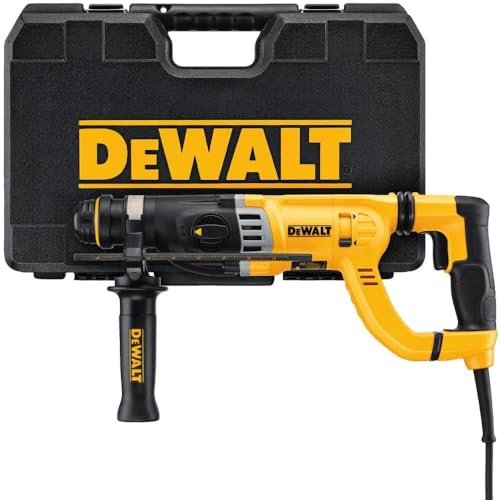
Yes. A hammer drill is a great choice if you need one tool for common drilling jobs and occasional masonry work. It combines normal rotation with a rapid forward tapping action. This action helps the drill bit break through materials such as brick, block, and some concrete. Most cordless hammer drill drivers also let you switch the hammer action off.
Imagine installing a shelf in your garage. The wall may be made of brick or concrete block. A normal drill can struggle because the material is hard. A hammer drill adds forward blows that help a suitable masonry bit cut through the surface. I would reach for this type of tool when the project involves wall anchors, shelves, or other small masonry holes.
The best part is its flexibility. Turn off hammer mode, and many cordless hammer drill drivers can drill wood and metal like a standard drill driver. You can also use their screwdriving mode when the model includes an adjustable clutch. However, a hammer drill is not always the best choice for driving long screws. It lacks the same rotational impact mechanism as an impact driver. For frequent masonry work, a rotary hammer may also be a better option than a standard hammer drill.
What Makes a Hammer Drill Stand Out?
- Forward Hammer ActionThe hammer mechanism creates rapid blows along the length of the drill bit. These blows help break up hard masonry as the bit rotates.
- Standard Three-Jaw ChuckMost handheld hammer drill drivers use a three-jaw chuck. It can hold many common round-shank and hex-shank drill bits.
- Multiple Operating ModesMany cordless models offer drilling, hammer drilling, and screwdriving modes. Available modes vary by model.
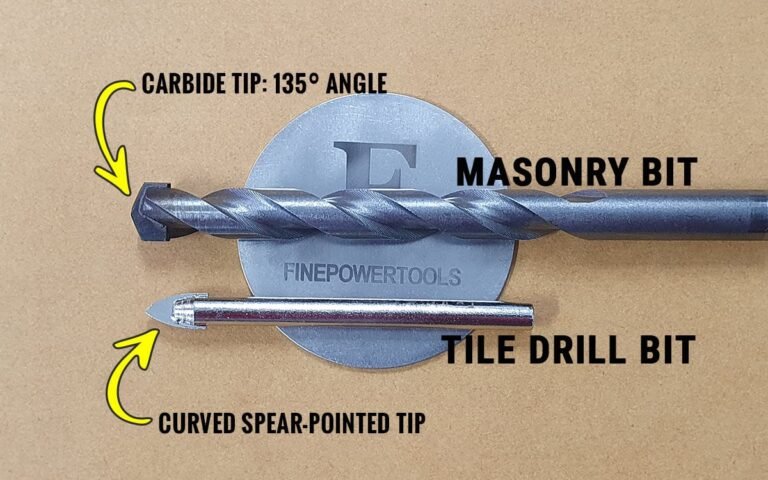
- Masonry Drilling AbilityWith a suitable masonry bit, a hammer drill can make holes in brick, concrete block, and some concrete surfaces within its rated capacity.
- Wood and Metal DrillingSwitch off hammer mode and use the normal drilling setting for suitable wood and metal bits.
- Adjustable ClutchMany cordless hammer drill drivers include clutch settings. These help control screw depth and reduce the risk of damaging softer materials.
- Variable SpeedA variable-speed trigger and gearbox settings help match the drilling speed to the bit, material, and task.
My Recommendation
Choose a hammer drill if you want one flexible tool for drilling holes in wood, metal, brick, and suitable masonry. It is a practical choice for homeowners, remodelers, and DIY users who install shelves, anchors, and wall fixtures.
| Best For | Why |
|---|---|
| Home improvement | It handles common drilling jobs and occasional masonry work with one tool. |
| Installing wall anchors | Its forward hammer action helps make suitable holes in brick and masonry. |
| General drilling | Switching off hammer mode allows normal drilling in wood and metal. |
Impact Drill vs Hammer Drill: Side-by-Side Test
The biggest difference in the impact drill vs hammer drill comparison is the direction of the force. An impact driver hits in a twisting direction. A hammer drill hits forward along the drill bit. Both tools use impact action, but they use it for different jobs.
Think of an impact driver as a strong hand turning a stubborn screw. A hammer drill is more like a small hammer tapping a chisel while it spins. Once you understand this difference, choosing the right tool becomes much easier. The ratings below are editorial assessments of typical tool designs, not results from laboratory or hands-on testing.
1. Working Mechanism: How Do They Work?
Both tools create repeated impacts, but their internal mechanisms send force in different directions.
| Feature | Impact Driver | Hammer Drill |
|---|---|---|
| Impact direction | Rotational or twisting | Forward and backward along the bit |
| Main purpose | Driving fasteners | Drilling holes in masonry |
| Internal mechanism | Hammer and anvil | Mechanical percussion mechanism on many standard models |
| Impact result | More turning force | More forward tapping force |
⭐ Impact Driver – 9/10 | Hammer Drill – 9/10
Winner: Tie. Each tool has a different impact system, and each works best for its intended job.
2. Power and Torque: Which Has More Force?
Power matters, but the direction of that power matters more. An impact driver focuses on turning fasteners, while a hammer drill focuses on drilling.
| Feature | Impact Driver | Hammer Drill |
|---|---|---|
| Fastening torque | Usually very strong | Moderate to strong, depending on model |
| Long screw driving | Excellent | Less suitable |
| Masonry impact | Not designed for this task | Designed for this task |
| Wrist reaction | Generally lower during impact driving | Can produce more twisting reaction if the bit binds |
⭐ Impact Driver – 9/10 | Hammer Drill – 8/10
Winner: Impact driver for demanding screw driving. A hammer drill is better when you need forward drilling force.
3. Drilling Ability: Which Makes Better Holes?
The type of material decides the winner here. A tool that drives screws well is not automatically good at drilling masonry.
| Feature | Impact Driver | Hammer Drill |
|---|---|---|
| Wood drilling | Possible with compatible hex-shank drill bits | Very good in normal drill mode |
| Metal drilling | Possible with compatible accessories and careful control | Very good in normal drill mode |
| Brick drilling | Not recommended as a substitute for a hammer drill | Good with a suitable masonry bit |
| Concrete drilling | Not suitable for normal concrete drilling | Suitable for smaller holes within its capacity |
⭐ Impact Driver – 6/10 | Hammer Drill – 10/10
Winner: Hammer drill. Its forward percussion makes it the clear choice for suitable masonry drilling.
4. Screw Driving: Which Handles Fasteners Better?
Driving screws is where the impact driver shines. Its twisting impacts help move fasteners when resistance increases.
| Feature | Impact Driver | Hammer Drill |
|---|---|---|
| Long wood screws | Excellent | Good, depending on model |
| Small screws | Needs careful trigger control | Good with a suitable clutch |
| Large fasteners | Very good with the right accessory | Can struggle under heavy loads |
| Torque control | Usually trigger and electronic modes | Often includes an adjustable clutch |
⭐ Impact Driver – 10/10 | Hammer Drill – 8/10
Winner: Impact driver. Its rotational impacts make demanding fastening jobs easier.
5. Chuck and Bit Compatibility: Which Is More Flexible?
The chuck affects which accessories you can use. This difference matters when switching between drilling and fastening.
| Feature | Impact Driver | Hammer Drill |
|---|---|---|
| Standard holder | Usually 1/4-inch hex collet | Usually three-jaw chuck |
| Round-shank drill bits | Need a compatible adapter or accessory | Usually accepted directly |
| Bit changes | Fast with compatible hex bits | Requires opening and tightening the chuck |
| Accessory range | Best with compatible hex-shank accessories | Accepts a broad range of common bits |
⭐ Impact Driver – 8/10 | Hammer Drill – 10/10
Winner: Hammer drill. Its standard chuck offers greater flexibility for common drilling accessories.
6. Comfort and Handling: Which Is Easier to Use?
Tool weight, balance, grip, and vibration can change how comfortable a job feels. The best choice also depends on how long you work.
| Feature | Impact Driver | Hammer Drill |
|---|---|---|
| Body size | Often shorter and more compact | Often longer and bulkier |
| Tight spaces | Usually easier to position | May need more room |
| Operating vibration | Rotational impacts create noticeable vibration | Hammer mode creates forward vibration |
| User control | Needs careful trigger control | Often provides a clutch and drilling modes |
⭐ Impact Driver – 9/10 | Hammer Drill – 8/10
Winner: Impact driver for compact fastening work. A hammer drill offers more control for general drilling on models with suitable settings.
7. Versatility: Which Tool Does More Jobs?
A versatile tool can save money and space. However, versatility depends on the jobs you do most often.
| Feature | Impact Driver | Hammer Drill |
|---|---|---|
| Wood projects | Excellent for fastening | Good for drilling and fastening |
| Metal projects | Useful with compatible accessories | Good for drilling with suitable bits |
| Masonry projects | Limited and not a substitute for percussion drilling | Good for suitable smaller holes |
| Furniture assembly | Good with careful trigger control | Good with an appropriate clutch |
⭐ Impact Driver – 8/10 | Hammer Drill – 10/10
Winner: Hammer drill. It handles more types of drilling and can also perform basic fastening tasks.
8. Price and Value: Which Is Worth Buying?
Price depends on brand, battery platform, motor type, included accessories, and tool features. A higher price does not always mean a better fit.
| Feature | Impact Driver | Hammer Drill |
|---|---|---|
| Basic tool cost | Varies by brand and power | Varies by chuck, motor, and hammer features |
| Extra accessories | May need impact-rated hex bits | May need masonry and other drill bits |
| Battery cost | Depends on battery platform | Depends on battery platform |
| Best value | Frequent fastening work | Mixed drilling and masonry work |
⭐ Impact Driver – 9/10 | Hammer Drill – 9/10
Winner: Tie. Buy the tool that matches your regular projects rather than paying for features you rarely use.
Final Verdict: Which Should You Buy?
The impact drill vs hammer drill comparison comes down to two different jobs. An impact driver is the better choice for long screws, deck building, wood framing, and repeated fastening. Its rotational impacts provide strong turning force and reduce wrist reaction. A hammer drill is the better choice for homeowners who need to drill into brick, concrete block, and other suitable masonry. It also works as a regular drill when hammer mode is off.
If I could choose only one tool for a home workshop, I would pick a hammer drill driver because it offers more drilling options. But if I often built decks or wooden frames, I would add an impact driver. The best setup for regular DIY work is to own both. They are partners, not rivals.