Hammer Drill vs Impact Drill: Key Differences

Is a Hammer Drill Good?
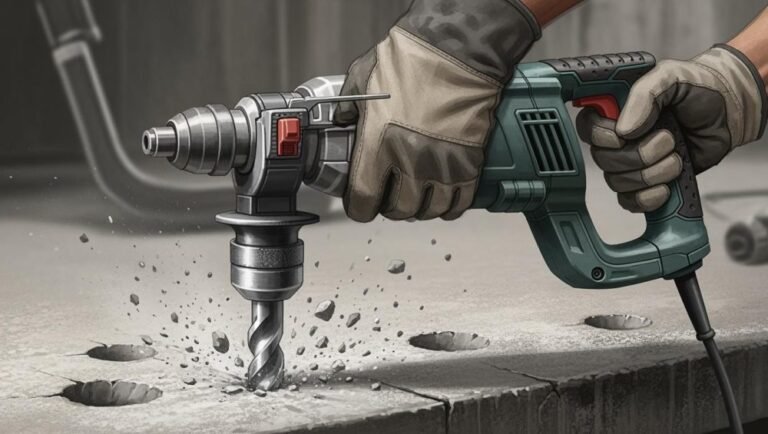
Yes. A hammer drill is a great choice if you often work with brick, concrete, stone, or masonry. It looks much like a regular drill, but it has an extra action. The bit moves forward and backward as it spins. This helps it break through hard surfaces while it drills.
Think about mounting a shelf on a brick wall. A regular drill may struggle, and the job can take much longer. A hammer drill makes the task easier when you use a proper masonry bit. Many models also let you turn off the hammer action. That makes them useful for wood, metal, and everyday drilling.
In the hammer drill vs impact drill comparison, the hammer drill is the better pick for holes in masonry. It is not the best tool for every screw or bolt, though. Its size, vibration, and weight can make small fastening jobs less comfortable. For frequent home repairs, I would look for a model with variable speed, a clutch, and a side handle.
What Makes It Stand Out / Key Features
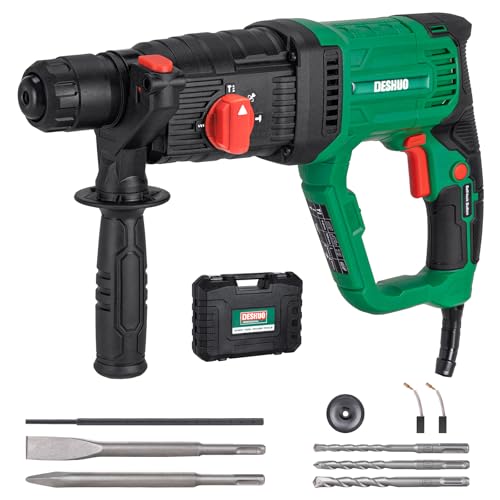
- Forward Hammer ActionThe tool adds short forward blows as the bit spins. This helps the bit cut into brick, concrete, and masonry.
- Drill ModeMany hammer drills can work like regular drills when you turn off the hammer setting.
- Adjustable SpeedA variable-speed trigger helps control the bit during startup and drilling.
- Clutch SettingsMany drill-driver models include a clutch that helps limit torque when driving screws.
- Keyed or Keyless ChuckA chuck holds round-shank and compatible drill bits. Check the model’s chuck size before buying.
- Side HandleSome larger models include a side handle for better control during demanding drilling work.
My Recommendation
Choose a hammer drill if your projects involve concrete, brick, stone, or masonry. It also makes a useful general drill when you can switch off its hammer action. Check its chuck size, battery system, speed settings, and included handle before buying.
| Best For | Why |
|---|---|
| Home renovation | It can drill into brick and masonry for shelves, wall mounts, and fixtures. |
| Masonry work | Its hammer action helps the bit break through hard surfaces. |
| General drilling | Models with a regular drill mode can also handle wood and metal. |
Is an Impact Drill Good?
Yes, if you drive many screws or fasteners. An impact drill, often called an impact driver in the US market, is built to turn fasteners with strong rotational force. It uses quick twisting impacts to help move stubborn screws. This makes it useful for decks, fences, cabinets, and framing work.
Imagine building a wooden deck in your backyard. You may need to drive dozens of long screws into thick boards. An impact driver can make this work easier than using a regular drill for every screw. Its compact body can also fit into tight spaces.
In the hammer drill vs impact drill comparison, the impact driver wins for repeated screw driving. It is not a direct replacement for a hammer drill when you need holes in concrete. Most impact drivers use a hex bit holder instead of a standard three-jaw chuck. You also need compatible hex-shank drill bits for drilling tasks.
What Makes It Stand Out / Key Features
- Rotational Impact ActionThe tool delivers quick twisting blows to help turn screws and other fasteners.
- High TorqueIts impact system helps drive long screws and tight fasteners into suitable materials.
- Compact BodyMany impact drivers have a short body that fits into tight work areas.
- Hex Bit HolderMost models use a quick-change quarter-inch hex collet for compatible driver and drill bits.
- Fast Bit ChangesA compatible hex-shank bit can be changed quickly without opening a traditional drill chuck.
- Variable-Speed TriggerTrigger pressure helps control the speed and power delivered to the fastener.
My Recommendation
Choose an impact driver if you build decks, install fences, assemble wood structures, or drive many screws. It is a strong fastening tool, but it should not replace a hammer drill for masonry holes.
| Best For | Why |
|---|---|
| Deck building | It helps drive many long screws into wood. |
| Woodworking | It handles common fastening tasks with speed and strong turning force. |
| Tight work areas | Its compact body can fit where a larger drill may feel awkward. |
Hammer Drill vs Impact Drill: Side-by-Side Test
The biggest difference in hammer drill vs impact drill is how each tool applies force. A hammer drill pushes the bit forward as it spins. An impact driver applies quick twisting blows to turn a fastener.
Both tools can save time. The right choice depends on the material, the job, and the bits you plan to use. The ratings below are practical editorial assessments of each tool type, not results from laboratory or hands-on product testing.
1. Main Purpose: What Does Each Tool Do?
Start with the task. A hammer drill makes holes in hard surfaces. An impact driver turns screws and bolts.
| Feature | Hammer Drill | Impact Drill |
|---|---|---|
| Main job | Drilling holes | Driving fasteners |
| Best material | Brick and concrete | Wood and suitable metal fasteners |
| Force direction | Forward blows | Rotational blows |
| Common use | Wall anchors and masonry holes | Deck screws and construction fasteners |
⭐ Hammer Drill – 9/10 | Impact Drill – 9/10
The hammer drill wins for drilling holes, while the impact driver wins for driving fasteners.
2. Power and Torque: Which Feels Stronger?
Both tools deliver useful power, but they apply it in different ways. Torque measures turning force, not the full drilling ability of a tool.
| Feature | Hammer Drill | Impact Drill |
|---|---|---|
| Primary force | Forward impact | Rotational impact |
| Driving long screws | Good on models with a clutch | Very good |
| Masonry drilling | Very good for suitable holes | Poor choice |
| Fastener control | Good with clutch settings | Needs careful trigger control |
⭐ Hammer Drill – 8/10 | Impact Drill – 9/10
The impact driver has the edge for demanding screw work, but torque alone does not make it a better drill.
3. Concrete and Masonry: Which One Wins?
Concrete, brick, and stone need the right bit and the right type of impact. This is where the hammer drill earns its place.
| Feature | Hammer Drill | Impact Drill |
|---|---|---|
| Brick holes | Suitable with a masonry bit | Not recommended |
| Concrete holes | Suitable for light to moderate work | Not designed for this job |
| Stone drilling | Suitable with the right bit and tool capacity | Poor choice |
| Large deep holes | May need a rotary hammer | Not suitable |
⭐ Hammer Drill – 10/10 | Impact Drill – 2/10
The hammer drill is the clear winner for masonry. For heavy concrete work, step up to a rotary hammer.
4. Screw Driving: Which Is Better?
Driving a few screws is easy with many drills. Driving dozens of long screws is a different story.
| Feature | Hammer Drill | Impact Drill |
|---|---|---|
| Short wood screws | Good with clutch control | Very good with careful control |
| Long deck screws | Can struggle under heavy loads | Excellent for suitable fasteners |
| Repeated fastening | Less convenient | Very convenient |
| Small delicate screws | Better control with clutch | Needs a light trigger touch |
⭐ Hammer Drill – 7/10 | Impact Drill – 10/10
The impact driver takes the lead for repeated screw driving and long construction fasteners.
5. Bits and Chuck: How Do They Differ?
The bit holder can affect how quickly you work and which accessories you can use.
| Feature | Hammer Drill | Impact Drill |
|---|---|---|
| Bit holder | Usually a three-jaw chuck | Usually a quarter-inch hex collet |
| Round-shank bits | Usually supported | Not supported by standard collets |
| Hex-shank bits | Supported if chuck capacity allows | Supported if compatible |
| Bit changes | May need chuck adjustment | Usually quick and simple |
⭐ Hammer Drill – 9/10 | Impact Drill – 8/10
The hammer drill offers wider bit compatibility, while the impact driver makes compatible bit changes fast.
6. Control, Noise, and Comfort
Comfort matters when you work for hours. Both tools can make noise and vibration, but the type of work changes the experience.
| Feature | Hammer Drill | Impact Drill |
|---|---|---|
| Vibration | Strong during hammer mode | Sharp twisting impacts |
| Noise | Loud in masonry mode | Loud during impact use |
| Control | Good with speed and clutch settings | Needs careful trigger control |
| Long work sessions | Can cause hand fatigue | Can cause hand fatigue |
⭐ Hammer Drill – 8/10 | Impact Drill – 8/10
Neither tool is silent or vibration-free. Use hearing protection and keep a firm grip.
7. Price and Value: Which Is Worth Buying?
The best value comes from matching the tool to your work. A more powerful tool does not always make a better purchase.
| Feature | Hammer Drill | Impact Drill |
|---|---|---|
| Basic home projects | Good value if you drill walls | Good value if you drive many screws |
| Masonry projects | Worth the cost | Poor value as a substitute |
| Wood construction | Useful but less specialized | Strong value for fastening |
| Buying both | Covers drilling needs | Covers demanding fastening needs |
⭐ Hammer Drill – 9/10 | Impact Drill – 9/10
Both offer strong value when they match your projects. Compare bare-tool and kit prices before buying.
Final Verdict: Which Should You Buy?
The hammer drill vs impact drill choice comes down to drilling versus fastening. Buy a hammer drill if you need holes in brick, concrete, or stone. It can also handle regular drilling when you switch off its hammer mode.
Choose an impact driver if you build decks, install fences, or drive many long screws. It offers strong turning force and quick bit changes. If you handle many types of home and building projects, owning both tools gives you the most flexibility. For heavy concrete work, consider a rotary hammer instead.