Best Hammer Drill: Top Picks For Every Tough Job
**The DEWALT DCD806B is my top pick for everyday drilling, while the DCH273B suits concrete work best.**
You may need to hang shelves, mount a TV, build a deck, or add anchors to a concrete wall. A basic drill can handle wood and many metal jobs, but hard brick and concrete can slow it down. That is where a hammer drill helps. It spins the bit and adds quick forward taps to break through tough material. In a typical American home, one tool may handle weekend repairs, garage projects, and outdoor work. I compared five options to help you find the best hammer drill for your needs. This guide covers cordless drills, corded rotary hammers, key features, and the limits to consider before you buy.
🏆 Top 3 Products

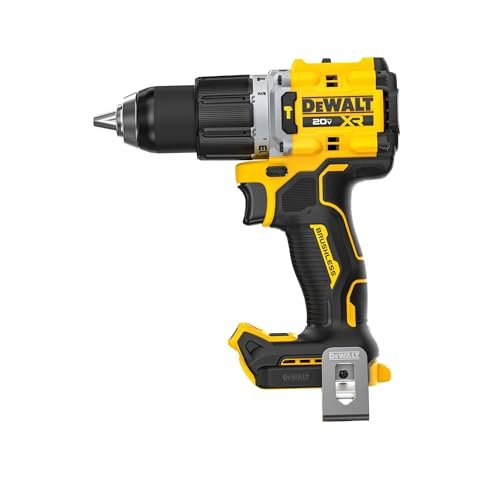
DEWALT DCD806B 20V MAX XR Hammer Drill
Its brushless motor, cordless design, and standard 1/2-inch chuck make it a strong choice for many home and jobsite tasks.
DEWALT DCH273B 20V MAX SDS Rotary Hammer
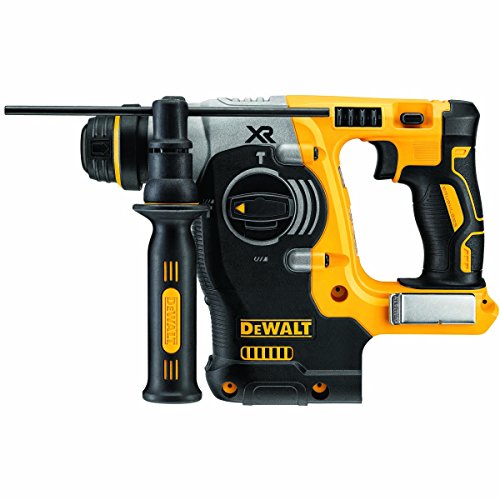
Its SDS system and three work modes make it a strong option for drilling concrete and handling light chiseling tasks.
Deshuo 9 Amp SDS-Plus Rotary Hammer
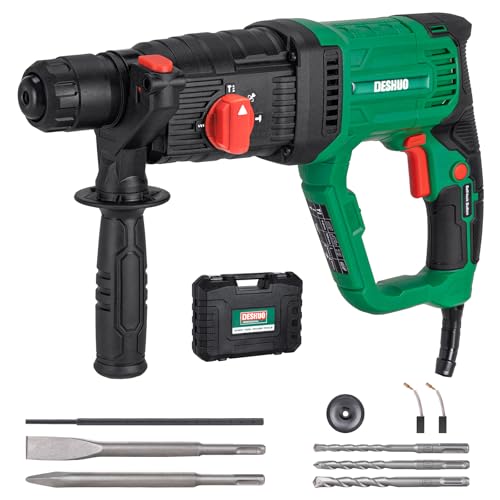
Its corded design and included accessories may appeal to DIY users who want a concrete-focused tool without buying a battery platform.
DEWALT DCD806B 20V MAX XR Hammer Drill
The DEWALT DCD806B is a cordless 1/2-inch hammer drill made for users who want one tool for many jobs. Its brushless motor design aims to improve efficiency and reduce routine motor wear. The hammer setting helps with holes in brick and masonry, while the standard drill setting suits wood and metal. Its 20V MAX battery platform also makes it a useful choice for people who already own compatible DEWALT tools.
I would put this model near the top of a list for homeowners, remodelers, and tradespeople who need freedom from a power cord. The key benefit is its mix of regular drilling and hammer action in one compact tool category. It is not the same as an SDS rotary hammer, so it may take longer when drilling many large holes in hard concrete. The listing identifies it as a tool-only package, so plan for a compatible battery and charger if you do not already own them.
✅ Pros
- ✔ Cordless design makes it easy to move around a house, garage, or jobsite.
- ✔ Brushless motor design supports efficient use of battery power.
- ✔ A 1/2-inch chuck accepts many common drill bits with compatible shanks.
- ✔ Hammer mode helps with small and medium holes in brick and masonry.
- ✔ Standard drill mode handles many wood and metal tasks.
- ✔ The 20V MAX platform can reduce the need to buy a new battery system.
- ✔ No extension cord is needed during normal cordless use.
- ✔ One tool can serve for repairs, remodeling, and general DIY work.
⚠️ Cons
- ✖ The tool-only package does not include a battery or charger.
- ✖ A compatible battery adds to the total purchase cost if you are new to the platform.
- ✖ A standard hammer drill is less suited to repeated heavy concrete drilling than a rotary hammer.
- ✖ Battery runtime depends on battery capacity, material, bit size, and workload.
- ✖ The tool and battery can feel heavy during long overhead jobs.
My Recommendation
I recommend the DCD806B to people who need a flexible cordless drill for regular home repairs and occasional masonry work. It is a sensible first choice if you already own compatible DEWALT 20V MAX batteries. For a project that involves many deep holes in concrete, I would choose an SDS rotary hammer instead. Check the current package contents and tool specifications before ordering, since battery bundles and listings can differ.
| Best For | Why |
|---|---|
| Homeowners | It can handle common repairs, furniture work, and occasional holes in brick. |
| Remodelers | Cordless use helps when moving between rooms or working where outlets are scarce. |
| DEWALT Tool Owners | Existing compatible batteries can lower the cost of adding this bare tool. |
DEWALT DCH273B 20V MAX SDS Rotary Hammer
The DEWALT DCH273B is a cordless SDS rotary hammer built with concrete and masonry in mind. It uses an SDS-Plus bit system, which holds compatible bits in place and lets the hammer action work without a standard keyed or keyless chuck. The listed three application modes support different tasks, including rotary hammer drilling and other work supported by the tool’s design. This setup makes it a more focused option for concrete than a general-purpose hammer drill.
I would consider this model for mounting hardware in concrete, fitting anchors, and drilling repeated holes during renovation work. Its cordless design helps when working outdoors or in unfinished spaces. It is still important to match the bit and tool to the material and hole size. The bare-tool listing means you should check for a compatible battery and charger before buying, and you should not expect it to replace a large demolition hammer for major concrete removal.
✅ Pros
- ✔ SDS-Plus system supports compatible masonry and concrete bits.
- ✔ Rotary hammer action suits concrete drilling better than many standard hammer drills.
- ✔ Cordless operation improves access around buildings and outdoor work areas.
- ✔ Three application modes add flexibility for supported tasks.
- ✔ Useful for fitting anchors and drilling holes for fixtures.
- ✔ A suitable choice for trade users who already own compatible DEWALT batteries.
- ✔ No cord is needed when working away from a power outlet.
- ✔ A focused concrete tool can save time on repeated masonry jobs.
⚠️ Cons
- ✖ The bare-tool package may require a separate battery and charger.
- ✖ SDS-Plus bits are not the same as standard round-shank drill bits.
- ✖ It is less versatile for ordinary wood and metal drilling than a 1/2-inch chuck drill.
- ✖ Battery life can fall quickly during demanding concrete work.
- ✖ It is not designed to replace a heavy demolition hammer for large removal jobs.
My Recommendation
I recommend the DCH273B if your main goal is to drill into concrete, brick, or other suitable masonry. It is especially useful for installers, remodelers, and homeowners who have several concrete holes to make. The SDS-Plus setup is a key reason to choose it over a conventional hammer drill. If you mostly drill wood, assemble furniture, or drive screws, a standard cordless drill may offer better everyday value.
| Best For | Why |
|---|---|
| Concrete Anchors | The rotary hammer design is suited to drilling holes for compatible masonry anchors. |
| Renovation Crews | Cordless operation supports work across rooms and unfinished spaces. |
| Frequent Masonry Work | The SDS-Plus system is built for compatible rotary hammer bits and repeated drilling. |
DEWALT DCD1007B 20V MAX XR Hammer Drill

The DEWALT DCD1007B is a brushless cordless hammer drill with a 1/2-inch chuck. It is aimed at users who need a strong general-purpose drill for work that may include wood, metal, and masonry. Its 20V MAX battery system keeps it within DEWALT’s cordless tool range. As with any hammer drill, its best role is a mix of everyday drilling and occasional masonry work rather than long sessions of heavy concrete removal.
I would compare this model with the DCD806B before choosing between the two. Both use a cordless design and a brushless motor, but the right choice depends on their verified specifications, size, control features, and current price. The product listing says the battery is not included, so factor that into the budget. If you need to drill large holes in hard concrete all day, compare an SDS rotary hammer instead of relying only on a standard chuck drill.
✅ Pros
- ✔ Brushless motor design supports efficient cordless operation.
- ✔ The 1/2-inch chuck accepts many common compatible drill bits.
- ✔ Hammer mode helps with suitable brick and masonry drilling.
- ✔ Standard drilling mode covers many wood and metal tasks.
- ✔ Cordless operation is convenient for indoor and outdoor projects.
- ✔ The 20V MAX battery platform may suit existing DEWALT tool owners.
- ✔ One tool can support a range of repair and construction tasks.
- ✔ It can be a practical choice for users who want a cordless all-rounder.
⚠️ Cons
- ✖ The listed package does not include a battery.
- ✖ A compatible charger may need to be purchased separately.
- ✖ A 1/2-inch chuck hammer drill is not as specialized for concrete as an SDS rotary hammer.
- ✖ A battery and drill can become tiring during long overhead sessions.
- ✖ Compare current specifications carefully before paying more than for the DCD806B.
My Recommendation
I would shortlist the DCD1007B for people who want a brushless cordless hammer drill and need one tool for a wide range of jobs. It makes the most sense when its confirmed features and price fit your work better than the other cordless options. I would not choose it on its name alone. Compare chuck capacity, speed settings, size, included items, and battery needs before deciding which model is the best hammer drill for your project.
| Best For | Why |
|---|---|
| Mixed DIY Projects | A standard chuck and hammer mode support many everyday drilling needs. |
| Cordless Tool Users | It may fit well into an existing compatible 20V MAX battery setup. |
| Small Contractors | A single cordless tool can cover routine drilling tasks across different sites. |
Deshuo 9 Amp SDS-Plus Rotary Hammer Drill
The Deshuo SDS-Plus rotary hammer is a corded tool designed for concrete and masonry work. Its listing states a 9-amp motor, a weight of about 7.2 pounds, four functions, variable speed, reverse, and a safety clutch. It also lists three drill bits, two chisels, and a carrying case. That package may appeal to a DIY user who wants a tool and several basic accessories in one purchase.
I would look at this model for home projects such as drilling suitable holes in a concrete wall or removing small areas of tile and mortar with the right chisel mode. A corded tool does not depend on battery charge, though it does need a safe power source and a suitable extension cord when required. Before buying, check the manual for supported bit sizes and modes. I would also review the return policy and warranty details, since service access matters when choosing a tool for demanding work.
✅ Pros
- ✔ Corded power avoids battery runtime limits.
- ✔ The listed 9-amp rating gives buyers a clear electrical specification to compare.
- ✔ SDS-Plus bit compatibility supports suitable concrete and masonry work.
- ✔ Four listed functions offer more task options than a basic drill.
- ✔ Variable speed can help with control during different tasks.
- ✔ Reverse may help with supported drilling operations.
- ✔ The safety clutch is intended to help manage sudden bit binding.
- ✔ The listed package includes drill bits, chisels, and a carrying case.
- ✔ The stated weight may be manageable for some ground-level DIY work.
⚠️ Cons
- ✖ The power cord limits movement and requires careful cable placement.
- ✖ A corded tool needs access to a suitable electrical outlet.
- ✖ Included bits and chisels may not cover every material or hole size.
- ✖ The tool may be less suitable for frequent overhead work due to its weight.
- ✖ Long-term service and parts access should be checked before purchase.
My Recommendation
I recommend considering the Deshuo if you want a corded SDS-Plus tool for occasional home masonry work and value the included accessories. It can be a practical option when you do not want to invest in a cordless battery platform. Check the rated functions, bit limits, warranty, and safety instructions before use. For regular professional work, I would compare service support and long-term durability with established trade-tool options.
| Best For | Why |
|---|---|
| Budget DIY Users | The listed accessory kit may reduce the need to buy basic bits and chisels at once. |
| Fixed Work Areas | Corded power works well when a safe outlet is close to the project. |
| Occasional Masonry Repairs | Its rotary hammer design suits suitable concrete and brick drilling tasks. |
ENEACRO 13 Amp SDS-Plus Rotary Hammer

The ENEACRO rotary hammer is a corded SDS-Plus tool with a listed 13-amp motor and a stated 1-1/4-inch size rating. Its product details mention a safety clutch, four functions, and vibration control. The package also lists grease, chisels, drill bits, and a carrying case. These features make it worth comparing for users who need more concrete-focused capability than a typical cordless hammer drill provides.
I would consider this model for larger home repair jobs, such as drilling a series of holes in concrete or doing limited chiseling with a compatible tool setting. Its corded design provides power without the need to swap batteries, but the cord can get in the way on ladders or around clutter. The motor rating alone does not prove drilling speed or long-term reliability. Check the manufacturer’s instructions, included accessories, service terms, and supported bit sizes before you decide.
✅ Pros
- ✔ The listed 13-amp motor offers a useful comparison point for corded tools.
- ✔ SDS-Plus compatibility supports suitable rotary hammer bits.
- ✔ Four listed functions provide options for drilling and supported chiseling tasks.
- ✔ A safety clutch is designed to help respond to a jammed bit.
- ✔ Vibration control may improve comfort during suitable work.
- ✔ The listed accessory kit includes grease, chisels, and drill bits.
- ✔ A carrying case helps keep the tool and its accessories together.
- ✔ Corded power avoids the need to recharge batteries between tasks.
⚠️ Cons
- ✖ The power cord limits reach and movement.
- ✖ The tool may feel bulky during overhead or confined work.
- ✖ The listed 1-1/4-inch size rating should not be treated as proof that every bit or material is supported.
- ✖ A more powerful motor rating does not guarantee faster drilling in every material.
- ✖ It may be more tool than needed for occasional small holes in brick.
My Recommendation
I would shortlist the ENEACRO for users who expect regular concrete drilling and want a corded rotary hammer with a broad accessory package. Its listed motor rating and vibration-control feature make it worth comparing with the smaller Deshuo. I would still check the real job requirements, available service, and total price before choosing. If you only need a few small holes in brick each year, a lighter standard hammer drill may be easier to use.
| Best For | Why |
|---|---|
| Frequent Concrete Drilling | The SDS-Plus rotary hammer design targets suitable masonry drilling tasks. |
| Home Renovators | The listed functions and included accessories may support a range of repair jobs. |
| Users Near Power Outlets | Corded operation provides steady access to electrical power without battery changes. |
Final Verdict: Which Should You Buy?
For most mixed home and workshop tasks, I would start with the DEWALT DCD806B because its cordless design, brushless motor, and 1/2-inch chuck offer broad use. For repeated concrete drilling, the DEWALT DCH273B is my more focused pick. The Deshuo and ENEACRO corded rotary hammers are worth comparing if you want a corded setup with included accessories.
The best hammer drill is the one that matches your material, workload, and budget. Compare the full kit, check the bit system, and use the right safety gear. Choose a standard hammer drill for mixed jobs and an SDS rotary hammer for demanding masonry work.
FAQs Of best hammer drill
Q What is the best hammer drill for home use?
Q Can a hammer drill make holes in concrete?
Q What is the difference between a hammer drill and a rotary hammer?
Q Should I buy a cordless or corded hammer drill?
Q Do I need special bits for a hammer drill?