3/8 Drill vs 1/2 Drill: Which Is Better?


Is a 1/2-Inch Drill Good?
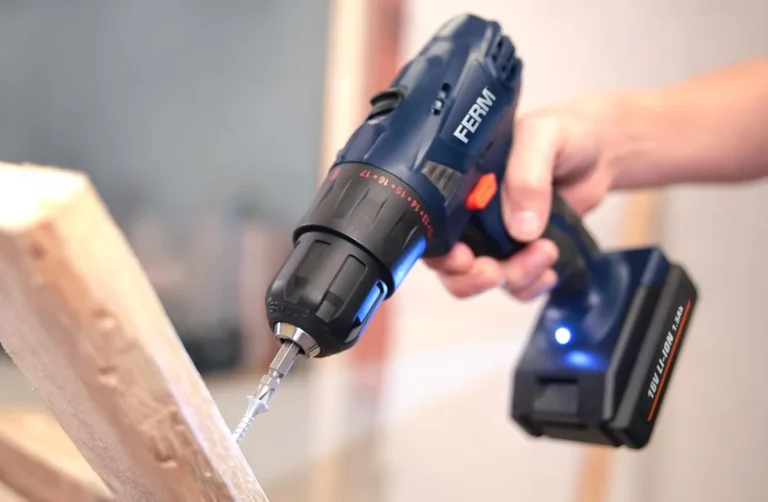
Yes. A 1/2-inch drill is a great choice for people who want one tool for many jobs. Its main advantage is its larger chuck. It can hold drill bits with shanks up to 1/2 inch in diameter. This gives you more options for large wood bits, hole saw accessories, and other compatible tools. It is useful for homeowners, woodworkers, and people who tackle regular repair jobs.
When I think about a typical American garage workshop, I picture shelves, wooden benches, deck repairs, and furniture projects. A 1/2-inch drill fits these jobs well. It gives you room to grow as your projects become more demanding. However, a larger chuck does not automatically mean more torque or speed. The motor, battery, gear system, and drill design still matter. Some models are heavy, so comfort is worth checking before you buy.
What Makes It Stand Out / Key Features
- Larger Chuck CapacityThe chuck accepts compatible bits with shanks up to 1/2 inch in diameter.
- More Bit ChoicesIt can hold many larger drill bits and accessories that need a 1/2-inch chuck.
- Flexible Project UseIt suits common home repairs, woodworking, furniture work, and many workshop tasks.
- Corded and Cordless OptionsYou can choose a corded model for steady power or a cordless model for easy movement.
- Higher Power OptionsMany 1/2-inch drills come in powerful models with higher torque and strong motors, though specifications vary.
- Accessory CompatibilityIt supports a broad range of compatible accessories, including many larger-shank bits.
- Long-Term ValueIts larger capacity can reduce the need to replace a smaller drill when projects become more demanding.
My Recommendation
Choose a 1/2-inch drill if you handle different materials, use larger bits, or want more room for future projects. Check its torque, speed settings, weight, and battery before buying.
| Best For | Why |
|---|---|
| Homeowners | It can handle a wide range of repairs and home improvement tasks. |
| Woodworkers | It accepts many larger-shank wood bits and accessories. |
| Frequent DIY Users | It offers more flexibility as projects become larger or harder. |
Is a 3/8-Inch Drill Good?
Yes. A 3/8-inch drill is a smart choice for light and medium home projects. Its chuck accepts compatible bits with shanks up to 3/8 inch in diameter. That is enough for many common drilling jobs. You can use it to make small holes, assemble furniture, install shelves, and handle basic repairs. It is often a good fit for people who do not need large drill bits.
For example, think about putting together a desk or fixing a cabinet door on a Saturday morning. A compact 3/8-inch drill can make those jobs feel simple. It is often easier to carry and store than a larger model. Some versions also fit well in tight spaces. Still, I would not choose one only because it has a smaller chuck. You should check its torque, speed, grip, and bit compatibility. A strong 3/8-inch model can perform better than a weak 1/2-inch model in some tasks.
What Makes It Stand Out / Key Features
- Compact ChuckThe chuck holds compatible drill bits with shanks up to 3/8 inch in diameter.
- Easy HandlingMany models have a compact shape that feels comfortable during everyday jobs.
- Light Project SupportIt works well for small holes, furniture assembly, and basic home repairs.
- Cordless ConvenienceMany cordless models let you move around a room or workshop without a power cord.
- Simple StorageIts smaller design can fit easily in a home toolbox or workshop cabinet.
- Common Bit CompatibilityIt accepts many standard small and medium drill bits with compatible shanks.
- Practical Everyday UseIt is useful for people who mostly drill small holes and complete basic DIY tasks.
My Recommendation
Choose a 3/8-inch drill if you mainly assemble furniture, hang shelves, make small holes, and complete simple home repairs. It is a sensible choice when compact size matters more than large-bit capacity.
| Best For | Why |
|---|---|
| Apartment Owners | Its compact size is useful for small repairs and limited storage. |
| Occasional DIY Users | It handles many basic household drilling jobs. |
| Furniture Assembly | It works well with many small drill bits and common accessories. |
3/8 drill vs 1/2 drill: Side-by-Side Test
The biggest difference in the 3/8 drill vs 1/2 drill comparison is the chuck capacity. The chuck is the part that holds the drill bit. A 3/8-inch chuck accepts shanks up to 3/8 inch. A 1/2-inch chuck accepts shanks up to 1/2 inch. This changes which accessories you can use.
However, chuck size does not tell you everything. A drill’s motor, torque, speed, battery, and weight affect its real performance. I would compare these details before choosing a model. Think of chuck size as the doorway for your drill bits, not a measure of the engine inside.
1. Chuck Size: Which Holds Larger Bits?
Chuck size is the clearest difference between these two drills. It sets the maximum bit shank size the chuck can hold.
| Feature | 3/8-Inch Drill | 1/2-Inch Drill |
|---|---|---|
| Maximum shank size | 3/8 inch | 1/2 inch |
| Larger bit support | Limited | Better |
| Small bit support | Yes, within chuck range | Yes, within chuck range |
| Accessory flexibility | Good for common small bits | Good for small and larger bits |
⭐ 3/8-Inch Drill – 7/10 | 1/2-Inch Drill – 10/10
The 1/2-inch drill wins because it accepts larger compatible bit shanks. Both can hold many smaller bits.
2. Power and Torque: Which Is Stronger?
Many buyers think a 1/2-inch drill must have more power. That is not always true. Chuck size and motor power are separate features.
| Feature | 3/8-Inch Drill | 1/2-Inch Drill |
|---|---|---|
| Motor options | Light and high-power models available | Light and high-power models available |
| Torque | Depends on the model | Depends on the model |
| Heavy drilling | Model dependent | Often more suitable in powerful models |
| Best buying check | Compare torque and speed | Compare torque and speed |
⭐ 3/8-Inch Drill – 7/10 | 1/2-Inch Drill – 9/10
The 1/2-inch drill gets the edge for its wider range of heavy-duty models, but actual torque ratings matter more than chuck size.
3. Weight and Handling: Which Feels Better?
A drill should feel like a helpful hand, not a heavy weight. Size and balance matter when you work overhead or for long periods.
| Feature | 3/8-Inch Drill | 1/2-Inch Drill |
|---|---|---|
| Typical design | Often compact | Often larger |
| One-hand handling | Often easier | Depends on weight and balance |
| Tight spaces | Often a better fit | May feel bulky |
| Long work sessions | Can reduce fatigue | Choose a well-balanced model |
⭐ 3/8-Inch Drill – 9/10 | 1/2-Inch Drill – 7/10
The 3/8-inch drill often wins for easy handling, but actual weight and grip should guide your choice.
4. Drilling Capacity: Which Handles More Jobs?
Both drills can make holes in wood, plastic, and metal when you use the right bit and settings. The main limit is the drill’s capacity and power.
| Feature | 3/8-Inch Drill | 1/2-Inch Drill |
|---|---|---|
| Small wood holes | Very suitable | Very suitable |
| Large wood bits | Limited by chuck and model | More accessory options |
| Metal drilling | Suitable with correct bits | Suitable with correct bits |
| Large accessories | More limited | Better compatibility |
⭐ 3/8-Inch Drill – 7/10 | 1/2-Inch Drill – 10/10
The 1/2-inch drill offers more flexibility for larger accessories and demanding drilling jobs.
5. Price and Value: Which Saves More?
Price depends on the brand, motor, battery system, and included accessories. A smaller chuck does not always mean a cheaper drill.
| Feature | 3/8-Inch Drill | 1/2-Inch Drill |
|---|---|---|
| Basic models | Often affordable | Often available at higher prices |
| Professional models | Available | Available in a wide range |
| Long-term flexibility | Good for smaller jobs | Better for varied projects |
| Value | Strong for light use | Strong for mixed and demanding use |
⭐ 3/8-Inch Drill – 9/10 | 1/2-Inch Drill – 9/10
The 3/8-inch drill may save money for basic work. The 1/2-inch drill can offer better value if you need its larger capacity.
6. Battery and Corded Options: Which Is More Flexible?
Both chuck sizes come in corded and cordless designs. The right power source depends on where and how often you work.
| Feature | 3/8-Inch Drill | 1/2-Inch Drill |
|---|---|---|
| Cordless versions | Common | Common |
| Corded versions | Available | Available |
| Outdoor work | Convenient with a charged battery | Convenient with a charged battery |
| Battery runtime | Depends on battery and workload | Depends on battery and workload |
⭐ 3/8-Inch Drill – 9/10 | 1/2-Inch Drill – 9/10
Neither chuck size wins here. Battery quality, voltage, and charging time matter more.
7. Home and Professional Use: Which Fits Better?
Your work routine should guide your choice. A person who fixes a cabinet once a month has different needs from a contractor who drills every day.
| Feature | 3/8-Inch Drill | 1/2-Inch Drill |
|---|---|---|
| Basic home repairs | Excellent | Excellent |
| Furniture assembly | Excellent | Excellent |
| Large workshop projects | More limited | Better suited |
| Frequent demanding work | Depends on model | Often the better choice |
⭐ 3/8-Inch Drill – 8/10 | 1/2-Inch Drill – 10/10
The 3/8-inch drill suits simple home jobs. The 1/2-inch drill is the more flexible choice for a busy workshop.
Final Verdict: Which Should You Buy?
In the 3/8 drill vs 1/2 drill comparison, the 1/2-inch drill is the better all-around choice for most people who want room to handle larger bits and varied projects. Its larger chuck gives you more accessory options. It is a strong fit for homeowners, woodworkers, and regular DIY users.
However, a 3/8-inch drill is still a smart buy. It is often compact, easy to handle, and well suited to basic repairs. If you mostly assemble furniture or hang shelves, you may not need anything larger. My advice is simple: choose a 3/8-inch model for light work and a 1/2-inch model for greater flexibility. Always compare torque, weight, speed, and battery life before you buy.