Impact Driver vs Hammer Drill: Key Differences
Is an Impact Driver Good?
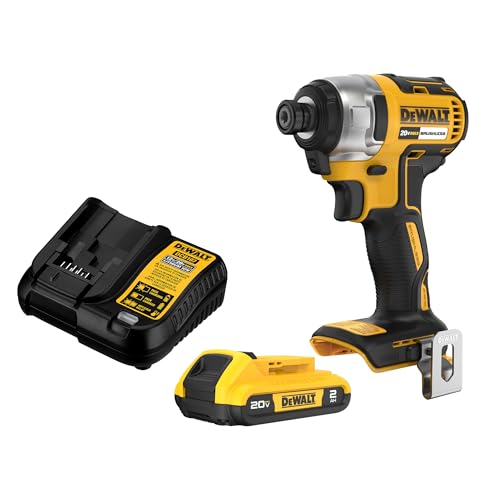
Yes, an impact driver is an excellent choice if you often drive screws and fasteners. It uses a rotating impact action to deliver strong bursts of torque. This helps when you drive long screws into wood or tighten large fasteners. It also reduces the need to push hard against the tool.
When I compare an impact driver vs hammer drill for deck work, the impact driver is my clear choice. It can drive long deck screws with less effort than a basic drill. I also like how its short body fits into tight spaces. For common home projects, such as building shelves, repairing a fence, or assembling a wooden frame, it can save time and effort.
However, an impact driver is not a true masonry drilling tool. Most models use a 1/4-inch hex collet rather than a standard three-jaw drill chuck. You can use compatible hex-shank drill bits, but that does not make the tool a proper replacement for a hammer drill. It is a screw-driving specialist, not an all-purpose drilling machine.
What Makes an Impact Driver Stand Out?
- High Rotational TorqueThe tool delivers strong bursts of twisting force. This helps drive long screws and large fasteners into dense wood.
- Impact MechanismAn internal hammer and anvil system delivers repeated rotational impacts when the fastener resists turning.
- 1/4-Inch Hex ColletThe quick-change collet accepts compatible hex-shank driver bits. You can switch between common screw bits in seconds.
- Compact DesignMany impact drivers have a short body. This helps when working inside cabinets, between studs, or near tight corners.
- Variable Speed TriggerThe trigger lets you control speed by changing finger pressure. Some models also offer multiple speed settings.
- Reduced Reaction TwistThe impact mechanism can reduce the steady twisting reaction that a powerful conventional drill may send to your wrist.
- Quick Bit ChangesThe hex collet makes it easy to swap common driving bits without opening a traditional chuck.
My Recommendation
Choose an impact driver if your work involves more screws than drilled holes. It is a smart choice for deck repairs, wood framing, fence building, and frequent home improvement tasks.
| Best For | Why |
|---|---|
| Deck and fence projects | It drives long screws into wood with strong rotational force. |
| Wood framing | It handles repeated fastening jobs quickly. |
| Tight work areas | Its compact body fits into narrow spaces. |
Is a Hammer Drill Good?
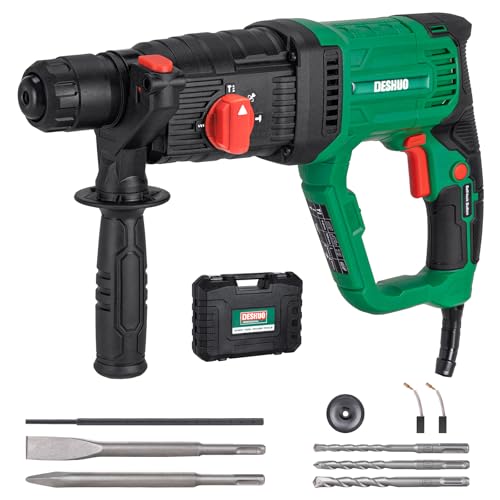
Yes, a hammer drill is a good choice if you need to drill into brick, concrete, or other masonry. It combines normal rotation with a rapid forward tapping action. That action helps the bit break through hard material as it turns. Most hammer drills also work in standard drilling mode, so you can use them for wood and metal.
When I compare an impact driver vs hammer drill for home repair, the hammer drill makes more sense for wall work. Think about mounting a shelf on a brick wall or installing anchors in a concrete surface. A regular drill may struggle with these tasks. A hammer drill adds the tapping force that helps the masonry bit move through the material.
I also like its versatility. Most models use a three-jaw chuck that holds round-shank and hex-shank bits. You can switch from drilling wood to drilling masonry by changing the bit and selecting the right mode. Still, a hammer drill is not the best choice for driving lots of long screws. Its size, chuck design, and lower screw-driving efficiency make an impact driver better for that job.
What Makes a Hammer Drill Stand Out?
- Forward Hammering ActionThe mechanism adds rapid forward impacts while the bit rotates. This helps drill holes in brick, concrete, and masonry.
- Three-Jaw ChuckMany hammer drills use a standard chuck that grips different round-shank and hex-shank drill bits.
- Multiple Operating ModesMost models offer drilling and hammer drilling modes. Some also include a clutch setting for screw driving.
- Adjustable SpeedVariable speed control helps match the drilling action to the material and bit.
- Clutch SettingsMany models include adjustable torque settings. These can help prevent overdriving screws and damaging materials.
- Masonry CompatibilityWith a suitable masonry bit, the hammer function helps make holes for wall plugs, anchors, and mounting hardware.
- General Drilling AbilityTurn off hammer mode and use standard drilling mode for many wood, plastic, and metal drilling tasks.
My Recommendation
Choose a hammer drill if you often install wall anchors, drill into brick, or work with concrete. It is also a practical choice if you need one tool for general drilling and occasional masonry work.
| Best For | Why |
|---|---|
| Brick wall drilling | Its hammer action helps a masonry bit break through brick. |
| Concrete anchors | It can make holes for suitable concrete and masonry anchors. |
| General drilling | Its normal drilling mode works with many wood and metal bits. |
Impact Driver vs Hammer Drill: Side-by-Side Test
The main difference in the impact driver vs hammer drill comparison is how each tool delivers force. An impact driver creates rotational impacts. A hammer drill creates forward impacts along the bit. These actions may sound similar, but they solve different problems.
Think of an impact driver as a powerful hand that twists a screw. A hammer drill is more like a small chisel that taps forward while spinning. Both can be useful in a home workshop, but their best jobs rarely overlap. The ratings below are general editorial assessments of their typical capabilities, not results from a controlled laboratory test.
1. Power and Torque: Which Is Stronger?
Both tools offer strong power, but they send that power in different directions. An impact driver focuses on rotational force, while a hammer drill focuses on drilling force.
| Feature | Impact Driver | Hammer Drill |
|---|---|---|
| Main force | Rotational impacts | Forward hammering and rotation |
| Screw driving | Excellent | Good for light work |
| Masonry drilling | Limited | Excellent for suitable small holes |
| Large fasteners | Very capable | Less suited |
⭐ Impact Driver – 9/10 | Hammer Drill – 8/10
The impact driver has the edge for screw-driving torque, while the hammer drill wins for drilling hard masonry.
2. Drilling Ability: Which Handles More Materials?
Drilling is where the hammer drill has a clear advantage. Its chuck and operating modes make it more flexible for ordinary drilling and masonry work.
| Feature | Impact Driver | Hammer Drill |
|---|---|---|
| Wood drilling | Good with compatible bits | Excellent in normal mode |
| Metal drilling | Limited bit compatibility | Good with suitable bits |
| Brick drilling | Not recommended for routine work | Excellent with masonry bits |
| Concrete drilling | Poor choice | Suitable for light and moderate holes |
⭐ Impact Driver – 5/10 | Hammer Drill – 9/10
The hammer drill wins because it can drill common materials and handle suitable masonry jobs.
3. Screw Driving: Which Is Faster?
If you plan to build a deck or install many screws, this category matters most. The impact driver’s rotational impacts help it handle resistance without the same steady twisting reaction as a conventional drill.
| Feature | Impact Driver | Hammer Drill |
|---|---|---|
| Long wood screws | Excellent | Good |
| Small screws | Needs careful speed control | Good with clutch settings |
| Repeated fastening | Excellent | Moderate |
| Large lag screws | Very capable with proper setup | Less efficient |
⭐ Impact Driver – 10/10 | Hammer Drill – 7/10
The impact driver is the better tool for frequent and demanding screw-driving work.
4. Bit Compatibility: Which Offers More Options?
The chuck is an important difference in the impact driver vs hammer drill comparison. It affects the bits you can use and how quickly you can change them.
| Feature | Impact Driver | Hammer Drill |
|---|---|---|
| Common holder | 1/4-inch hex collet | Three-jaw chuck |
| Round-shank drill bits | Usually need an adapter | Usually compatible |
| Hex-shank driver bits | Direct fit | Usually compatible |
| Bit changes | Very quick | Can take longer |
⭐ Impact Driver – 8/10 | Hammer Drill – 9/10
The hammer drill offers wider general drill-bit compatibility, while the impact driver makes driver-bit changes faster.
5. Size and Comfort: Which Is Easier to Handle?
Tool weight matters when you work overhead or spend a full afternoon on a project. A smaller tool can feel like a lighter backpack on a long walk.
| Feature | Impact Driver | Hammer Drill |
|---|---|---|
| Typical body | Short and compact | Often larger |
| Tight spaces | Excellent | Good, model dependent |
| Overhead fastening | Often easier | Can feel heavier |
| Vibration | Strong rotational impacts | Forward impacts in hammer mode |
⭐ Impact Driver – 9/10 | Hammer Drill – 7/10
The impact driver often feels easier to handle in tight spaces, although actual comfort depends on the model and battery.
6. Control and Precision: Which Is Better?
Precision matters when you work with small screws, thin boards, or finished surfaces. The right speed and torque setting can prevent damage.
| Feature | Impact Driver | Hammer Drill |
|---|---|---|
| Small screws | Needs a light touch | Better clutch control |
| Drill speed control | Model dependent | Usually more flexible |
| Depth control | Requires careful technique | Easier with suitable accessories |
| Delicate materials | Can overdrive fasteners | Better suited to controlled drilling |
⭐ Impact Driver – 7/10 | Hammer Drill – 9/10
The hammer drill wins for general control, especially when its clutch and speed settings match the task.
7. Price and Overall Value: Which Is Worth Buying?
Both tools come in budget, mid-range, and professional versions. The tool that offers better value depends on the work you do most often.
| Feature | Impact Driver | Hammer Drill |
|---|---|---|
| Entry-level options | Widely available | Widely available |
| Best value for fastening | Excellent | Moderate |
| Best value for masonry | Poor | Excellent |
| One-tool versatility | Limited | Better |
⭐ Impact Driver – 8/10 | Hammer Drill – 9/10
The hammer drill offers better value as a general drilling tool, while the impact driver offers better value for frequent fastening.
8. Noise and Safety: Which Is Easier to Use?
Both tools create noise and vibration. A hammer drill can be especially loud when drilling masonry, while an impact driver makes sharp repeated sounds when driving resistant fasteners.
| Feature | Impact Driver | Hammer Drill |
|---|---|---|
| Noise | Can be loud under load | Often loud in hammer mode |
| Vibration | Rotational impact vibration | Forward hammer vibration |
| Eye protection | Recommended | Essential for drilling work |
| Dust concerns | Usually lower in wood fastening | Masonry dust needs control |
⭐ Impact Driver – 8/10 | Hammer Drill – 7/10
Neither tool is quiet. The impact driver may create less drilling dust, but both require proper protection and safe handling.
Final Verdict: Which Should You Buy?
The impact driver vs hammer drill choice comes down to one simple question: Are you driving screws or drilling holes? Choose an impact driver for deck building, wood framing, fence repairs, and large fasteners. Its high rotational torque makes these jobs easier. Choose a hammer drill for brick, concrete, masonry anchors, and general drilling. It offers more bit options and better control for ordinary holes.
If you can afford only one tool, a hammer drill is often the more versatile starting point for a homeowner who needs to drill many types of holes. But if your projects involve frequent screw driving, the impact driver is the better buy. For a well-equipped home workshop, I would choose both. Each tool fills a different gap, like a hammer and a screwdriver in the same toolbox.