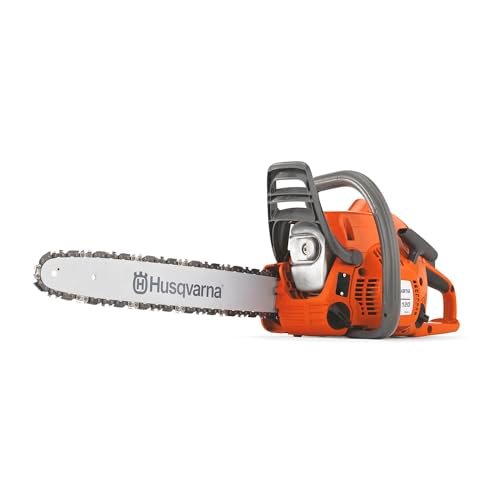
To clean a chainsaw, disconnect its power, remove loose sawdust, clean the chain and guide bar, clear the oil passages, and inspect the air filter and other parts before putting it back together.
Whether you use a chainsaw to cut firewood in rural Texas, trim trees on a property in Pennsylvania, or clear storm debris after a hurricane in Florida, regular cleaning helps keep the tool ready for its next job. Wood dust, tree sap, oil, and small chips can build up around the chain, guide bar, and engine. This dirt can block airflow and oil passages or make parts wear faster.
The good news is that most basic chainsaw cleaning does not require special skills. You need a few common tools, a safe work area, and the right cleaning method for your saw. However, a gas chainsaw, battery chainsaw, and electric chainsaw do not all have the same cleaning needs.
In this guide, you will learn how to clean a chainsaw step by step. I will explain how to clean the chain, bar groove, sprocket cover, air filter, cooling vents, and outside housing. You will also learn what not to use, how often to clean each part, and when a professional repair is the safer choice. Always check your owner’s manual first because cleaning methods can vary by brand and model.
Why Should You Clean Your Chainsaw Regularly?
A clean chainsaw is easier to inspect, maintain, and use. Each time you cut wood, the chain throws small pieces of sawdust, bark, and oil around the machine. Tree sap can also stick to the cutting parts and form a hard layer when it dries.
Think of your chainsaw like a car engine. Dirt around important parts can affect how well the machine works. A small amount of dust may seem harmless, but a blocked cooling vent or oil passage can lead to bigger problems.
Cleaning also gives you a chance to spot damage before the next cutting job. You may find a loose screw, a cracked chain link, a damaged bar, or a worn sprocket while removing dirt.
Better chain lubrication
Clean oil holes and bar grooves help chain oil reach the cutting parts. Poor lubrication can increase friction and wear.
Improved cooling
Removing dust from cooling vents helps air move around the engine or motor.
Less unwanted wear
Removing grit, hardened sap, and old oil helps reduce the buildup that can affect moving parts.
Easier inspections
A clean machine makes cracks, leaks, loose parts, and damaged components easier to see.
Safer storage
Removing oily dirt and wood chips before storage helps keep the tool in better condition.
What Happens If You Never Clean a Chainsaw?
A dirty chainsaw may lose cutting performance or develop maintenance problems. Packed sawdust can collect under the sprocket cover. Hardened sap may make the chain and guide bar harder to clean later.
A clogged oil passage can prevent enough bar oil from reaching the chain. A dirty air filter can also restrict airflow on a gas model. If cooling vents become blocked, heat may build up around the engine or motor.
Not every dirty saw will develop these problems at once. However, regular cleaning is a simple way to reduce avoidable wear and find trouble early.
Warning sign
The chain appears dry during operation. Stop using the saw and check the oil level and lubrication system.
Warning sign
The engine runs poorly or loses power. Check the air filter and cooling system, then seek service if the problem remains.
Warning sign
The chain moves unevenly or makes unusual noises. Stop the saw and inspect the chain, bar, and drive parts.
Tools and Supplies Needed to Clean a Chainsaw
Gather your cleaning supplies before you start. Having everything nearby makes the job easier and reduces the chance of handling a dirty chain more than necessary.
You do not need an expensive cleaning kit for basic maintenance. A soft brush, clean cloth, and suitable groove-cleaning tool can handle much of the work. Some models also need a wrench or scrench to remove the guide bar and sprocket cover.
Use products approved by your chainsaw manufacturer. Some cleaners are safe for metal parts but may damage plastic, rubber, painted surfaces, or special filter materials.
Heavy-duty work gloves
Protect your hands when handling the sharp chain and guide bar. Cut-resistant gloves are useful, but no glove makes contact with moving chain teeth safe.
Soft cleaning brush
Use a small brush to remove loose sawdust, dirt, and wood chips from the housing and hard-to-reach areas.
Clean microfiber cloth
Wipe the outside housing, battery area, and accessible metal surfaces without scratching them.
Guide bar groove cleaner
Use a suitable groove-cleaning tool to remove packed dirt from the narrow channel along the guide bar.
Compressed air
Use low-pressure air only where the owner’s manual allows it. Avoid forcing dirt deeper into the machine or damaging delicate parts.
Manufacturer-approved cleaner
A suitable resin remover can help loosen sticky tree sap and old oil from compatible surfaces.
Correct wrench or scrench
Use the tool specified for removing the guide bar and sprocket cover.
Suitable chain and bar oil
Use the correct lubricant when the cleaning process calls for protecting or lubricating the cutting parts.
Can You Use Household Cleaning Products?
Be careful with household cleaners. Dish soap, strong degreasers, bleach, and general-purpose chemicals are not automatically safe for chainsaw parts.
Some products can affect rubber seals, plastic covers, coatings, or air filter materials. Certain chainsaw manuals specifically advise against using detergents on the chain and guide bar.
For routine cleaning, a dry brush and cloth are often enough. For sticky resin, choose a cleaner that the manufacturer approves for the material you are cleaning.
Avoid gasoline as a cleaning solvent
Gasoline is highly flammable and creates harmful vapors. Do not use it to clean chains, housings, or filters.
Avoid bleach
Bleach can damage surfaces and is not a suitable general chainsaw cleaner.
Avoid uncontrolled pressure washing
High-pressure water can force moisture and dirt into bearings, electrical connections, and other sensitive areas.
How to Clean a Chainsaw Step by Step
The best way to clean a chainsaw is to work from the outside toward the cutting parts. Start by making the machine safe, then remove loose dirt before taking off any covers or parts.
The steps below describe general maintenance for common chainsaws. Your exact removal procedure may differ, so follow the owner’s manual for your model. Never force a cover, chain, or guide bar into place.
Step 1: Switch off and secure the chainsaw
Turn off the engine or motor, engage the chain brake where applicable, and disconnect the power source. Remove the battery from a battery chainsaw or unplug a corded electric model. Let a gas engine and muffler cool fully before cleaning.
Step 2: Put on protective equipment
Wear heavy-duty work gloves and eye protection. Work on a stable bench with enough light. Keep children, pets, and other people away from the work area.
Step 3: Remove loose dirt
Use a soft brush to remove sawdust, bark, and wood chips from the housing, handle, starter cover, and areas around the guide bar.
Step 4: Remove the sprocket cover
Follow the manual to remove the side cover. Carefully clear packed sawdust and oily dirt from the accessible sprocket area. Keep track of washers, nuts, and other small parts.
Step 5: Remove the guide bar and chain
If the model allows routine removal, loosen the bar nuts and release the chain tension as instructed. Lift off the guide bar and chain carefully while wearing gloves.
Step 6: Clean the chain and guide bar
Brush off loose debris and remove suitable oil and resin buildup with an approved cleaner. Clean the bar groove and oil holes without damaging the metal.
Step 7: Clean the remaining accessible parts
Remove dust from the housing, sprocket cover, cooling openings, and other approved cleaning areas. Do not open sealed motor or engine components.
Step 8: Inspect the parts
Look for damaged chain links, worn drive links, cracks, guide bar burrs, and excessive sprocket wear. Replace damaged parts rather than trying to clean them back into service.
Step 9: Dry and reassemble
Allow cleaned parts to dry as directed. Apply suitable protective oil where required, then reinstall the chain, guide bar, and cover using the manufacturer’s procedure.
Step 10: Complete a final inspection
Check chain tension, oil level, cover fit, and safety controls. Reconnect the power source only when all cleaning tools have been removed and the machine is fully assembled.
How to Know the Chainsaw Is Clean
A properly cleaned chainsaw should have no large piles of sawdust or packed wood chips around the sprocket cover. The guide bar groove and oil openings should be free of visible blockages.
The chain should not have thick layers of hardened sap or dirt. The outside housing and cooling openings should also be clear.
Clean does not mean damage-free. A chain can look clean but still have cracked links, dull cutters, or worn drive links. Inspection is just as important as removing dirt.
Check the bar
Look for clean oil openings, a clear groove, and no serious rail damage.
Check the chain
Look for cracks, stiff links, damaged cutters, and unusual wear.
Check the housing
Make sure cooling vents and accessible openings are free of packed debris.
How to Clean a Chainsaw Chain
The chainsaw chain needs careful cleaning because it carries cutting teeth, drive links, and connecting rivets. Dirt and sticky resin can collect between these parts and mix with chain oil.
Always remove the power source before handling the chain. Wear heavy-duty gloves because the cutters remain sharp even when the saw is disconnected.
For routine cleaning, a brush and suitable resin cleaner may be enough. Follow the chain and chainsaw manufacturer’s instructions before using a soaking solution or chemical cleaner.
Cleaning a Chainsaw Chain Without Removing It
You can remove loose dirt from an assembled chain without taking it off the saw. First, disconnect the power source and secure the machine on a stable surface.
Use a brush to remove loose wood chips and surface dirt from the exposed chain. Do not pull the chain by hand or move it around the guide bar unless the manual specifically explains a safe method.
This quick method is useful after light cutting work. It does not replace a full cleaning when resin or dirt has collected inside the chain links or guide bar groove.
Brush gently
Use a suitable brush to remove visible debris without placing your fingers near the cutting edges.
Inspect the cutters
Look for damaged or unusually worn teeth. Cleaning cannot restore a dull chain.
Check lubrication
Make sure the oil supply is working before the next use.
Cleaning a Chainsaw Chain After Removing It
A removed chain is easier to inspect and clean thoroughly. Follow the owner’s manual to release tension and remove the chain from the guide bar.
Place the chain on a stable work surface. Use a brush to remove sawdust, dirt, and loose oil. Apply an approved resin remover when needed, following its label and the chain manufacturer’s instructions.
Pay attention to the spaces around the drive links and rivets. Do not use a method that can damage the chain’s joints or protective coatings.
After cleaning, dry the chain as directed and apply suitable chain oil if required. Inspect every link before reinstalling it. A chain with cracks, damaged rivets, or stiff links should be replaced.
Do not bend the chain forcefully
Forced movement can damage already worn or damaged connecting parts.
Do not use an open flame
Never heat a chain to remove hardened oil or resin.
Check chain direction
Install the chain in the correct cutting direction shown in the owner’s manual.
How to Remove Sticky Tree Sap From a Chainsaw Chain
Tree sap can make a chain sticky, especially after cutting pine, fir, and other resin-producing trees. When sap mixes with oil and sawdust, it can form a tough layer.
Use a cleaner designed for chainsaw resin or another product approved by the manufacturer. Apply it according to the label and allow the recommended contact time.
Use a brush to loosen the residue. Do not scrape the chain with a sharp knife or use aggressive chemicals that may harm its parts. Dry and lubricate the chain as directed before installation.
Fresh sap
Remove it soon after cutting, before it hardens.
Hardened sap
Use a compatible resin remover and a suitable brush.
Heavy buildup
If the chain remains stiff or damaged after cleaning, have it inspected or replace it.
How to Clean a Chainsaw Guide Bar
The guide bar supports and directs the moving chain. It also contains an oil passage and a narrow groove that helps the chain move around the bar.
Dirt inside the groove can affect chain movement and oil delivery. That is why guide bar cleaning is one of the most useful parts of regular chainsaw maintenance.
Remove the guide bar only after making the saw safe and following the manual. A clean cloth, soft brush, and suitable groove-cleaning tool are usually enough for basic work.
Clean the Guide Bar Groove
The guide bar groove is the narrow channel along the edges of the bar. The chain’s drive links travel through this channel as the chain moves.
Use a guide bar groove cleaner or an approved tool to remove packed sawdust and old oil. Work carefully along the groove and avoid scratching or widening it.
Do not use a screwdriver or other sharp object that can damage the bar. If the groove is badly worn, distorted, or damaged, cleaning will not restore it.
Remove packed dirt
Clear the channel with a tool designed for guide bar maintenance.
Inspect the rails
Look for uneven wear, damage, and raised metal edges.
Check the chain fit
The drive links should fit the groove as specified for the bar and chain combination.
Clean the Guide Bar Oil Holes
The oil inlet hole and outlet passage help move chain oil from the saw to the guide bar groove. When dirt blocks these openings, the chain may not receive enough lubrication.
Use a suitable cleaning tool or brush to remove visible debris. Check the exact location of the oil holes in your manual because their position can vary by model.
After cleaning, check that the passages are clear. If the chain still receives little or no oil, investigate the oil supply system before using the saw again.
Oil inlet
The opening that receives oil from the chainsaw body.
Oil outlet
The passage that allows oil to reach the guide bar groove.
Bar groove
The channel that carries oil along the cutting attachment.
Inspect and Turn the Guide Bar
While cleaning, inspect both guide bar rails for burrs and uneven wear. A burr is a raised metal edge that can form through normal use.
Some guide bars are designed to be turned over during maintenance to help distribute wear more evenly. Check the owner’s manual before doing this because bar designs differ.
A badly worn or damaged bar should be replaced. Do not attempt to repair serious cracks or structural damage with ordinary cleaning tools.
Minor burrs
Use a suitable guide bar dressing tool or flat file only when the manufacturer allows it.
Uneven rails
Have the bar inspected if the rails show serious or uneven wear.
Cracked bar
Stop using the chainsaw and replace the damaged guide bar.
How to Clean the Chainsaw Sprocket Cover
The sprocket cover protects parts near the drive sprocket and chain brake area. Sawdust, wood chips, and chain oil often collect behind it during cutting.
To clean this area, disconnect the power source and remove the cover according to the manual. Use a brush to remove loose debris from accessible surfaces.
Do not push dirt into the chain brake mechanism or dismantle safety parts unless the manual specifically permits the work. If the brake is damaged, sticky, or does not operate correctly, arrange qualified service.
Clean Around the Drive Sprocket
The drive sprocket transfers power to the chain. Packed dirt around this area can make inspection difficult and may interfere with the correct fit of the cutting parts.
Use a brush to remove loose chips and oily sawdust. Clean only the areas that are accessible through the normal maintenance procedure.
Inspect the sprocket teeth for unusual wear. If the teeth are badly worn or damaged, cleaning is not enough. Follow the manufacturer’s replacement instructions or ask a service professional.
Remove loose debris
Clear sawdust and wood chips without pushing them deeper into the machine.
Check the sprocket
Look for worn teeth, damage, and other visible defects.
Inspect the cover
Make sure it is not cracked or damaged and can be fitted correctly.
Clean the Chain Brake Area Carefully
The chain brake is an important safety system. It is designed to stop chain movement under specified conditions, so it must remain in good working order.
Remove loose dirt from accessible external surfaces using the method in the manual. Avoid spraying liquid cleaner into the brake assembly or taking it apart without the required training.
If the brake does not engage or release as intended, stop using the chainsaw. A qualified service technician should inspect the mechanism.
Never bypass the brake
Do not remove, disable, or modify a chain brake to make cleaning easier.
Check its operation
Follow the manufacturer’s safe inspection procedure before the next cutting job.
How to Clean a Chainsaw Air Filter
The air filter helps keep dust and small particles out of the engine on a gas chainsaw. When the filter becomes dirty, airflow can decrease and engine performance may suffer.
The correct cleaning method depends on the filter material and model. Some filters can be cleaned by tapping or brushing, while others need a specific washing method or replacement.
Never assume that every chainsaw filter can be washed with water. Check the manual before removing or cleaning it.
Cleaning a Foam Air Filter
Some gas chainsaws use foam air filters. If your model has a washable foam filter, follow the specified cleaning method and use only an approved cleaner.
Allow the filter to dry fully if the instructions require washing. Apply filter oil only when the manufacturer specifies it and in the correct amount.
Do not reinstall a torn, badly damaged, or poorly fitting filter. Replace it with the correct part.
Remove carefully
Avoid dropping dirt into the air intake while taking out the filter.
Clean as directed
Use the specified cleaner or method for the exact filter material.
Check before installation
Make sure the filter is dry when required and has no tears or gaps.
Cleaning a Mesh or Paper Air Filter
Mesh and paper-style filters need different care from foam filters. Some can be gently tapped or brushed, while others must be replaced when dirty.
Do not wash a paper filter unless the manufacturer specifically permits it. Water can damage filter material and reduce its ability to trap particles.
If dust remains trapped or the filter is damaged, replace it with a compatible filter.
Follow the manual
Identify the filter type before choosing a cleaning method.
Avoid aggressive air pressure
Strong compressed air can damage filter media or force dirt deeper into it.
Replace when needed
A damaged or permanently clogged filter should not be returned to service.
How to Clean the Outside of a Chainsaw
The outer housing collects dust, oil, bark, and dirt during normal work. Cleaning it makes the chainsaw easier to inspect and helps keep the handles and controls free of grime.
Start with a dry brush to remove loose material. Then wipe compatible surfaces with a slightly damp cloth if the owner’s manual allows it.
Keep water away from electrical connections, battery contacts, openings, and sensitive engine components. Never submerge a chainsaw or use a pressure washer for routine cleaning.
Clean the Handle and Controls
The front handle, rear handle, throttle trigger, and safety controls should be clean enough to hold and operate properly. Oil and dirt on the handles can make a secure grip harder.
Wipe these surfaces with a clean cloth. Do not allow liquid to collect around switches or control openings.
Inspect the throttle lockout and stop switch where fitted. If a control sticks, is damaged, or does not work correctly, have the saw checked before use.
Handle surfaces
Remove oil and dirt that could affect your grip.
Throttle controls
Check for free movement and visible damage.
Stop switch
Make sure it is clean and undamaged.
Clean Cooling Vents and Starter Openings
Cooling vents allow air to move around the engine or motor. The starter air intake on a gas chainsaw also needs to remain clear.
Use a soft brush to remove visible dirt. Some manufacturers allow careful use of compressed air, but use the recommended pressure and direction.
Do not insert metal tools into the vents. Do not remove engine covers or internal parts unless the owner’s manual identifies the work as routine user maintenance.
Air openings
Remove loose dust and debris from accessible openings.
Cooling fins
Clean accessible cooling areas using the approved method.
Blocked openings
Seek service if debris is trapped inside an area you cannot safely reach.
How to Clean a Battery Chainsaw
A battery chainsaw needs many of the same cleaning steps as a gas model, but its electrical parts require extra care. The most important first step is to remove the battery.
Never clean a battery chainsaw while the battery is installed. Disconnecting the battery helps prevent accidental activation during maintenance.
Use a dry or slightly damp cloth for compatible outer surfaces. Keep water and cleaning chemicals away from electrical contacts, connectors, and internal motor openings.
Clean the Battery and Electrical Contacts
Remove the battery and store it away from the cleaning area. Inspect its outside surface for dirt, cracks, or other damage.
Use a clean, dry cloth to wipe the battery housing. If the manufacturer permits it, use a suitable soft brush to remove dust from the contacts.
Do not spray cleaner directly onto the contacts or immerse the battery in water. If the battery is swollen, cracked, leaking, unusually hot, or otherwise damaged, stop using it and follow the manufacturer’s battery safety instructions.
Remove the battery first
Never clean the saw with its battery installed.
Keep contacts dry
Prevent water, oil, and cleaning chemicals from reaching electrical connections.
Inspect the battery
Do not use a damaged battery.
Clean the Motor Air Vents
Battery chainsaws may have cooling openings around the motor and battery compartment. Dust can collect in these areas during cutting.
Use a soft brush or the cleaning method specified in the manual. Some manufacturers permit gentle compressed air, while others specify a different method.
Do not push tools into the motor housing or open sealed electrical components. If the motor overheats repeatedly or makes unusual noises, arrange service.
Remove visible dust
Clean the outside of the air openings.
Avoid moisture
Keep the motor and electrical areas dry.
How to Clean a Gas-Powered Chainsaw
Gas chainsaws have additional parts that need attention, including the air filter, spark plug area, cooling system, fuel system, and muffler. Routine exterior cleaning is usually straightforward, but internal engine maintenance may require special tools and training.
Always switch off the engine and let the saw cool before cleaning. Gasoline and fuel vapors are flammable, so work outdoors or in a suitable well-ventilated area away from flames, sparks, cigarettes, and other ignition sources.
Do not open a hot fuel tank or remove a hot muffler cover. Follow the manual for any fuel draining, storage preparation, or engine maintenance.
Clean Around the Fuel Tank
Wipe dirt from the outside of the fuel tank and its cap. This helps reduce the chance of debris entering the tank when it is opened for normal refueling.
Do not use a brush that sheds fibers around the open fuel filler. Keep fuel away from hot surfaces and use an approved fuel container.
If you notice fuel leaking from the tank, cap, or fuel line, do not start the chainsaw. Have the leak inspected and repaired.
Wipe the outside
Remove dust and oil from the tank housing.
Check the cap
Look for visible damage and make sure it seals correctly.
Check for leaks
Stop using the saw if fuel is escaping.
Clean the Spark Plug Area
The spark plug helps ignite the fuel and air mixture in a gas engine. Dust around the spark plug cover can be removed as part of routine exterior cleaning.
Follow the manual before removing the spark plug. A spark plug inspection or cleaning procedure may require a specific tool and gap measurement.
If the spark plug is damaged, badly fouled, or repeatedly develops deposits, cleaning alone may not solve the engine problem.
Remove outside dust
Clean accessible dirt around the spark plug cover.
Check the condition
Look for visible damage when the manual permits inspection.
Use the correct replacement
Install only a compatible spark plug with the specified gap.
Clean the Muffler and Spark Arrestor
Some gas chainsaws have a spark arrestor screen in the muffler. The screen can collect carbon deposits over time and may need periodic inspection or cleaning.
The muffler can remain hot after the engine stops. Allow it to cool completely before attempting any maintenance.
Follow the manufacturer’s procedure for removing and cleaning the screen. Do not operate the chainsaw with a required spark arrestor removed, damaged, or incorrectly installed.
Let it cool
Never handle a hot muffler.
Inspect the screen
Look for damage and heavy carbon buildup.
Reinstall correctly
Use the required parts and follow the manual.
How to Clean an Electric Chainsaw
A corded electric chainsaw is often simpler to clean than a gas model because it does not have a fuel tank or spark plug. However, it still has a sharp chain, guide bar, sprocket area, and electrical components.
Unplug the saw before cleaning. If the model has a removable battery, follow the correct procedure for disconnecting it.
Use a dry brush and cloth for general cleaning. Keep water away from the motor, switches, cord connections, and electrical openings.
Check the Power Cord and Plug
Inspect the power cord while cleaning the outer housing. Look for cuts, exposed wires, crushed areas, or damaged insulation.
A damaged cord can create an electric shock or fire risk. Do not cover a damaged area with ordinary tape and continue using the saw.
Have damaged electrical parts repaired or replaced by a qualified service provider.
Check the cord
Look for cuts, cracks, and exposed conductors.
Check the plug
Look for damaged pins or a loose connection.
Keep connections dry
Never spray water or cleaner into electrical openings.
How Often Should You Clean a Chainsaw?
The right cleaning schedule depends on how often you use your chainsaw, what type of wood you cut, and how much dirt the machine collects. A homeowner who cuts a few logs each month may need less frequent deep cleaning than someone who uses a saw every workday.
A useful approach is to remove visible debris after each use and perform a more detailed inspection at regular intervals. Clean the chain and guide bar whenever dirt or resin begins to build up.
The following table provides a general maintenance guide. It does not replace the schedule in your specific owner’s manual.
Clean the sprocket area and bar groove when debris builds up or when the manual specifies.
Weekly or at the manual’s interval
Inspect the air filter, cooling system, and other parts that need periodic maintenance.
Before long-term storage
Clean the entire saw, inspect its parts, and prepare the fuel system or battery according to the storage instructions.
Cleaning Schedule by Chainsaw Use
A chainsaw used for frequent firewood cutting can collect large amounts of sawdust and oil in a short time. Clean it more often when cutting resin-heavy wood or working in dusty conditions.
For occasional home use, do not wait until dirt becomes hard and difficult to remove. A quick cleaning after each cutting session can make the next full maintenance session easier.
Light home use
Remove surface dirt after each session and inspect the cutting parts before use.
Frequent firewood cutting
Check the chain, bar groove, oil passages, and sprocket area regularly during the work schedule.
Professional or heavy use
Follow the manufacturer’s daily and periodic maintenance schedule, with more frequent cleaning when conditions require it.
Common Chainsaw Cleaning Mistakes to Avoid
Many chainsaw cleaning problems happen because users rush the job or use the wrong products. A cleaning method that works on a metal garden tool may damage an air filter, battery, or electrical connection.
The safest approach is to use the correct method for each part. Never trade safety for a faster cleaning process.
Cleaning without disconnecting power
This can lead to accidental activation. Remove the battery or unplug the saw before cleaning.
Handling the chain without gloves
Sharp cutters can cause serious injuries. Wear suitable heavy-duty gloves.
Using gasoline to remove oil and sap
Gasoline creates fire and vapor hazards. Choose an approved cleaner instead.
Using a pressure washer
High-pressure water can force moisture and dirt into sensitive parts.
Using the same cleaner on every component
A product suitable for metal may damage plastic, rubber, paint, or filter material.
Ignoring the oil holes
A clean chain and bar may still suffer if the oil passages remain blocked.
Forcing a cleaning tool into narrow openings
Sharp or oversized tools can damage the bar groove, oil passages, and other components.
Reassembling a wet or incorrectly fitted saw
Moisture and incorrect assembly can cause problems. Follow the drying and installation instructions.
Assuming cleaning fixes damage
A cracked chain, damaged guide bar, or worn sprocket needs proper repair or replacement.
Starting the saw before checking assembly
Always check the chain tension, cover, oil supply, and safety controls before use.
Should You Wash a Chainsaw With Water?
You should not wash an entire chainsaw under running water or submerge it. Water can enter electrical parts, bearings, switches, and other areas that are not designed to get wet.
Some manufacturers permit a slightly damp cloth on selected outer surfaces. That is different from rinsing the machine or spraying it with a hose.
When in doubt, use a dry brush and cloth. Follow the exact instructions for the model you own.
Usually suitable
Dry brushing and wiping approved surfaces with a slightly damp cloth.
Avoid
Submerging the saw, spraying electrical components, or using a high-pressure washer.
Chainsaw Cleaning Problems and How to Fix Them
Sometimes a chainsaw remains dirty or does not work properly after cleaning. The next step is to identify the affected part rather than keep applying more cleaner.
Never test a chainsaw that has a suspected mechanical or safety problem. Stop using it, disconnect the power source, and inspect only the parts that the owner’s manual identifies as user-serviceable.
Problem: The Chain Still Looks Dirty
Sticky resin or old oil may remain between the drive links and around the cutters. A quick surface wipe may not remove this buildup.
Remove the chain according to the manual and use a compatible resin cleaner. Brush the affected areas gently and inspect the links after cleaning.
If the chain remains stiff or has visible damage, replace it rather than forcing it back into service.
Possible cause
Hardened sap, old chain oil, or packed sawdust.
What to do
Use an approved resin remover and inspect the chain carefully.
Problem: The Chain Is Not Getting Enough Oil
A chain that appears dry may have a blocked guide bar passage, a low oil level, or a problem with the automatic oiling system.
First, check the oil level and clean the accessible oil openings. Consult the manual for the correct lubrication check.
If the oil supply remains poor, stop using the saw. A blocked oil pump, damaged hose, or internal fault may need professional attention.
Possible cause
Low oil level, clogged oil hole, blocked passage, or an oil system fault.
What to do
Check the level, clean approved passages, and seek service if the problem continues.
Problem: The Engine Still Runs Poorly
A dirty air filter can restrict airflow, but it is not the only reason a gas chainsaw may run poorly. Fuel problems, spark plug faults, and other engine issues can produce similar symptoms.
Clean or replace the air filter using the correct method. If the engine still struggles, avoid adjusting the carburetor without the required knowledge and model-specific instructions.
A qualified service technician can inspect the fuel, ignition, and engine systems.
Possible cause
Dirty filter, unsuitable fuel, spark plug problem, or an engine fault.
What to do
Check basic user-serviceable items and arrange service if performance does not improve.
Problem: The Chain Feels Tight After Reassembly
The chain may be too tight, incorrectly installed, or affected by a damaged guide bar or chain component.
Disconnect the power source and follow the manual to check chain tension. Never force the chain around the bar or operate the saw if the chain does not move as specified.
If correct adjustment does not solve the problem, inspect the parts for damage or contact a service provider.
Possible cause
Incorrect tension, wrong chain installation, or worn components.
What to do
Check the installation and adjust the tension using the model-specific procedure.
How to Store a Chainsaw After Cleaning
Proper storage helps protect a clean chainsaw from rust, dust, moisture, and accidental contact. Store it in a dry, secure place where children and unauthorized users cannot reach it.
Allow cleaned parts to dry as directed before storage. Fit the guide bar cover or scabbard so the sharp chain is protected.
Storage requirements differ between gas and battery chainsaws. Follow the manufacturer’s instructions rather than applying one method to every model.
Storing a Gas Chainsaw
If you plan to store a gas chainsaw for an extended period, check the owner’s manual for fuel preparation instructions. Some manufacturers specify draining the fuel tank and running the engine until it stops, while others provide approved fuel-storage options.
Do not assume that every gas chainsaw needs the same treatment. Fuel formulation, engine design, and manufacturer guidance can change the correct procedure.
Store the saw in a cool, dry, well-ventilated place away from heat sources and ignition risks.
Prepare the fuel system
Follow the model-specific instructions for long-term storage.
Protect the cutting parts
Use a fitted scabbard or guide bar cover.
Check the storage area
Keep the machine secure and away from children.
Storing a Battery Chainsaw
Remove the battery before storing the chainsaw. Store the battery separately in a location and temperature range recommended by its manufacturer.
Some battery systems specify a partial charge for long-term storage. Do not assume that fully charging or fully discharging every battery is correct.
Keep the saw and battery away from moisture, excessive heat, and metal objects that could cause accidental contact with battery terminals.
Remove the battery
Store it separately from the chainsaw.
Follow charge guidance
Use the storage charge level specified by the battery manufacturer.
Protect the contacts
Keep terminals clean and protected from accidental short circuits.
Final Safety Checks Before Using Your Chainsaw Again
Cleaning is not complete until the chainsaw has been inspected and correctly reassembled. A loose cover, incorrectly fitted chain, or damaged safety part can create a serious hazard.
Before reconnecting the battery or power cord, check that all parts are installed correctly. For a gas chainsaw, make sure all covers and required components are fitted before following the manufacturer’s starting procedure.
Do not use the saw if you are unsure about the assembly or notice a fault. A short inspection now is better than discovering a problem during a cut.
Check chain installation
Make sure the chain is fitted in the correct cutting direction.
Check chain tension
Adjust it according to the owner’s manual.
Check the guide bar
Confirm that it is correctly seated and secured.
Check the chain brake
Use the manufacturer’s safe inspection procedure.
Check chain lubrication
Confirm that the oil level and delivery system meet the manual’s requirements.
Check all covers
Make sure the sprocket cover and other removed parts are correctly installed.
Check the controls
Make sure the throttle lockout, stop switch, and other safety controls work correctly.
Check for leaks or damage
Do not operate the saw if you find a fuel leak, damaged cord, cracked component, or other serious fault.
What to Do When Cleaning Is Not Enough
Cleaning can remove dirt, but it cannot repair worn or damaged parts. A chainsaw with a cracked chain, damaged guide bar, faulty chain brake, or leaking fuel system needs more than a brush and cloth.
Stop using the machine if you find a serious fault. Do not try to solve a mechanical problem by adding more lubricant, tightening random screws, or removing safety components.
Contact an authorized dealer or qualified chainsaw technician when a repair involves the chain brake, clutch, fuel system, internal engine, motor, or electrical safety parts.
Cracked chain links
Replace the chain. Do not attempt to repair cracked links.
Damaged guide bar
Have it assessed and replace it if the damage exceeds approved maintenance limits.
Faulty chain brake
Stop using the saw until the brake has been inspected and repaired.
Fuel leaks
Do not start the engine. Have the leak repaired.
Electrical damage
Do not use a saw with damaged wiring, switches, or battery connections.
Repeated overheating
Check accessible cooling openings and arrange service if overheating continues.
Reader Question Gap Map and Additional Maintenance Needs
The cleaning process also raises several practical questions that matter before the next cutting job. Some are direct extensions of the cleaning task, while others are related maintenance decisions that need separate procedures.
The following map separates practical next-step questions from verified search-demand claims. These questions are inferred from the tasks involved in chainsaw cleaning; they are not presented as measured search trends or confirmed People Also Ask results.
The most important follow-up is chain lubrication because a clean guide bar and chain still need a working oil supply. Chain sharpening, tension adjustment, and long-term fuel preparation are useful related topics, but each requires its own model-specific instructions.
How do I know if my chainsaw chain needs sharpening?
Reader stage: After cleaning. Basis: Inferred next need. Coverage in this guide: Basic inspection only. Benefit: Helps readers distinguish dirt from dull cutters. Evidence needed: Chain manufacturer’s sharpening specifications. Priority: High. Suggested placement: Separate sharpening guide.
Why is my chainsaw chain not getting oil?
Reader stage: During inspection. Basis: Inferred next need. Coverage in this guide: Basic oil hole cleaning and troubleshooting. Benefit: Helps prevent operation with poor lubrication. Evidence needed: Model-specific oil system instructions. Priority: High. Suggested placement: Lubrication troubleshooting guide.
How tight should a chainsaw chain be?
Reader stage: After reassembly. Basis: Inferred next need. Coverage in this guide: General tension checks. Benefit: Helps prevent incorrect chain installation. Evidence needed: Exact manufacturer’s tension procedure. Priority: High. Suggested placement: Chain tension adjustment guide.
How should I prepare a gas chainsaw for winter storage?
Reader stage: Before long-term storage. Basis: Inferred next need. Coverage in this guide: General storage considerations. Benefit: Helps readers avoid incorrect fuel preparation. Evidence needed: Engine and fuel system manufacturer’s instructions. Priority: Medium. Suggested placement: Seasonal storage guide.
Can I clean a chainsaw air filter with compressed air?
Reader stage: During filter maintenance. Basis: Inferred next need. Coverage in this guide: Filter-specific cleaning cautions. Benefit: Prevents filter damage. Evidence needed: Filter material and model-specific cleaning instructions. Priority: Medium. Suggested placement: Air filter cleaning guide.
Frequently Asked Questions
Q
How often should I clean my chainsaw?
Remove visible sawdust, wood chips, and surface dirt after every use. Check the chain, guide bar, and oil passages regularly, especially when cutting resin-heavy wood or working in dusty conditions.
Follow the manufacturer’s schedule for deeper cleaning of the air filter, cooling system, and other components. Heavy-use chainsaws may need more frequent attention than tools used only for occasional home projects.
Q
Can I use WD-40 to clean a chainsaw?
Do not treat WD-40 or any general-purpose spray as a replacement for chainsaw chain oil or an approved resin cleaner. A product may help loosen some surface dirt, but its suitability depends on the part and manufacturer instructions.
Use the correct bar and chain oil for lubrication. Choose a compatible cleaner for sap and old residue, and keep sprays away from electrical parts, brake mechanisms, and other sensitive components unless the manual permits their use.
Q
Can I clean a chainsaw chain with dish soap?
Do not assume dish soap is safe for every chainsaw chain. Some manufacturers specifically advise against detergents when cleaning the chain and guide bar.
Use a brush and a cleaner approved for the chain material and model. Follow the product label, dry the chain as directed, and apply suitable lubricant before returning it to service.
Q
Should I remove the chain before cleaning a chainsaw?
You do not need to remove the chain for every light cleaning. A brush can remove loose surface dirt from an assembled cutting attachment when the saw is safely disconnected.
For thorough cleaning of the chain and guide bar groove, removing both parts often makes the work easier. Follow the owner’s manual and wear heavy-duty gloves whenever handling the chain.
Q
How do I remove hardened sap from a chainsaw?
Use a resin remover approved for the chain and guide bar materials. Apply it according to the label and use a suitable brush to loosen the sticky residue.
Avoid gasoline, open flames, aggressive scraping, and chemicals that may damage the parts. If the chain remains stiff or damaged after cleaning, replace it or have it inspected.
Q
Can I pressure wash my chainsaw?
No. A pressure washer can force water and dirt into bearings, electrical connections, switches, and other sensitive areas.
Use a soft brush and cloth for normal cleaning. Follow your owner’s manual if it allows a slightly damp cloth on specific exterior surfaces.
Q
How do I clean a chainsaw without taking it apart?
First, switch off the saw and disconnect its power source. Use a soft brush to remove loose sawdust and dirt from the housing, accessible chain surfaces, and outside of the guide bar.
This method works for light cleaning after a cutting session. It cannot fully clean the guide bar groove, oil passages, or areas hidden beneath the sprocket cover. Remove parts only when the manual permits it and a deeper cleaning is needed.
Q
Why does my chainsaw get dirty so quickly?
Chainsaws naturally collect sawdust, wood chips, chain oil, and tree sap during cutting. Resin-producing wood and dusty work areas can make buildup happen faster.
Remove debris after each use and inspect the cutting parts regularly. If buildup is unusually heavy or the saw has an oil leak, investigate the cause rather than repeatedly cleaning the same area.
Q
Can I use compressed air to clean a chainsaw?
Compressed air can help remove loose dust from some accessible cooling openings and external areas when the manufacturer permits it. Use the specified pressure and keep the nozzle at a safe distance.
Avoid directing strong air at delicate filters, electrical connections, seals, or bearings. Compressed air can damage filter material or push dirt farther inside the machine.
Q
Do I need to oil my chainsaw chain after cleaning?
A chain and guide bar need suitable lubrication before operation. After a thorough cleaning, dry the parts as directed and apply protective or chain oil when the manufacturer’s instructions call for it.
Before cutting, check the oil tank and confirm that the automatic lubrication system works correctly. Never run a chainsaw with a dry chain.
Q
Can a dirty air filter stop a chainsaw from starting?
A badly clogged air filter can restrict airflow and contribute to poor engine performance. However, a chainsaw that will not start may also have fuel, ignition, or other mechanical problems.
Check and clean the filter using the correct method for its material. If the engine still does not start, consult the troubleshooting section of the owner’s manual or contact a qualified technician.
Q
Should I clean my chainsaw before storing it for winter?
Yes. Remove sawdust, oil residue, and debris before long-term storage. Inspect the chain and guide bar, protect the cutting attachment, and keep the machine in a dry, secure place.
For gas models, follow the manual’s fuel preparation instructions. For battery models, remove the battery and follow its separate storage guidance.
✦ Wrapping Up
Conclusion
Learning how to clean a chainsaw is a useful part of owning and maintaining this powerful tool. Regular cleaning removes sawdust, wood chips, old oil, and sticky tree sap that can collect around the chain, guide bar, sprocket cover, and housing.
Start every cleaning session by switching off the machine and disconnecting its power source. Wear heavy-duty gloves, use suitable cleaning tools, and follow the owner’s manual for removing parts and cleaning the air filter, cooling vents, and electrical areas.
Pay special attention to the guide bar groove and oil passages. These small openings play an important role in chain lubrication. Also inspect the chain, sprocket, chain brake, and other safety parts while the machine is clean.
Remember that cleaning cannot repair worn or damaged components. Replace defective parts and seek qualified service when a problem involves the chain brake, internal engine, fuel system, motor, or electrical components. A few careful minutes after each cutting session can make your next maintenance check easier and help keep your chainsaw ready for its next job.
💡 Key Takeaway
After your next cutting session, disconnect the chainsaw’s power, put on heavy-duty gloves, brush away loose sawdust, clean the guide bar groove and oil holes, inspect the chain, and store the fully assembled saw with its cutting attachment covered. Use your owner’s manual as the final guide for every model-specific cleaning step.
You’ve got a bit in your hand and you’re not sure what it’s for. That’s the exact question behind how can you tell a masonry drill bit, and the answer comes…