Hammer Drill vs Cordless Drill: Which Is Better?
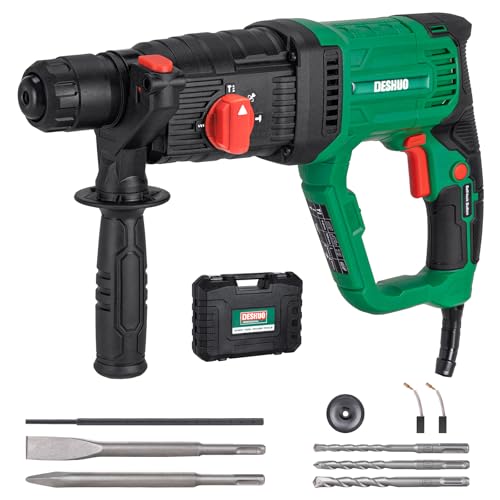

Is a Cordless Hammer Drill Good?
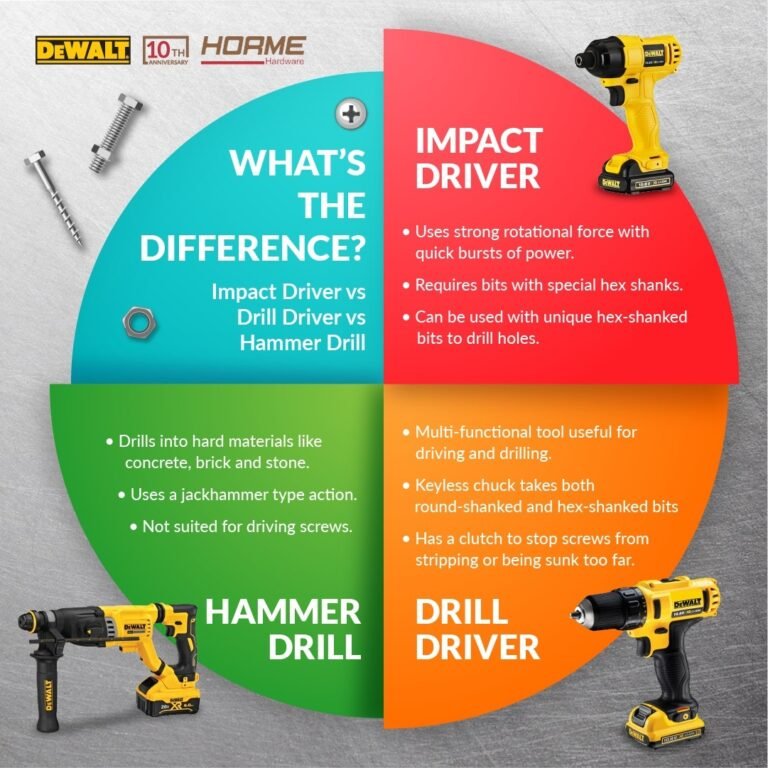
Yes. A cordless hammer drill is a strong choice if your projects include brick walls, concrete blocks, and other masonry. It combines normal drilling with a fast forward tapping action. That extra action helps the bit break up hard material as it turns. Many models also offer a regular drill mode and a screwdriving mode. This makes the tool useful for more than masonry work.
Think about installing shelves in a brick garage. A regular drill may spin without making much progress. A hammer drill adds small, rapid blows that help the masonry bit move forward. I would also value this feature when fitting wall anchors for outdoor fixtures or mounting hardware on a block wall. However, extra power comes with trade-offs. These drills can feel heavier, make more noise, and cause more vibration. They also need the right bit and mode for each job.
My verdict is yes for homeowners who often work with masonry. It is also a smart choice for DIY users who want one tool for several tasks. Still, a hammer drill is not a replacement for a heavy-duty rotary hammer when you need to drill large or deep holes in hard concrete.
What Makes It Stand Out / Key Features
- Hammer ActionThe tool adds rapid forward and backward blows while the bit rotates. This helps drill through brick, block, and some concrete.
- Multiple Operating ModesMany cordless hammer drill drivers offer drill, hammer drill, and screwdriving modes. You can switch modes to match the task.
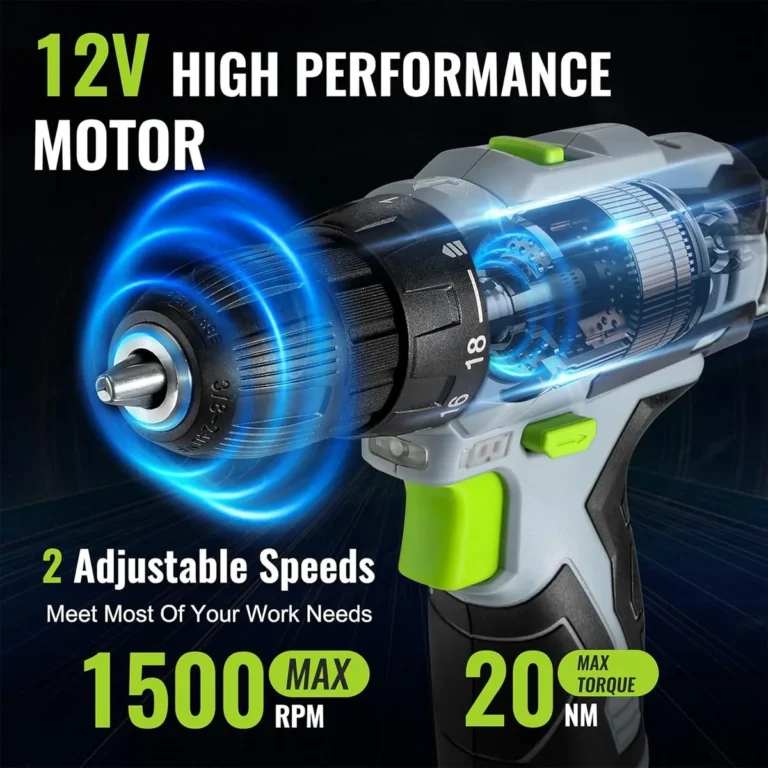
- Adjustable SpeedA variable-speed trigger helps control the bit. Many models also have two speed ranges for different materials and tasks.
- Torque ControlAn adjustable clutch helps prevent screws from going too deep. It also reduces the chance of damaging soft materials.
- Keyless ChuckA three-jaw chuck holds many common drill and driver bits. It also makes bit changes quick and simple.
- Rechargeable BatteryThe battery lets you work without a power cord. Runtime depends on battery capacity, tool load, and the material being drilled.
- Extra Handle on Some ModelsSome larger hammer drills include a side handle. It gives you a better grip and more control when drilling demanding holes.
My Recommendation
Choose a cordless hammer drill if you often install anchors, mount shelves on brick, or work with concrete blocks. It also makes sense if you want a regular drill and masonry tool in one package.
| Best For | Why |
|---|---|
| Masonry Projects | Hammer action helps drill into brick, block, and some concrete. |
| Home Renovation | It can handle ordinary drilling and screwdriving as well as masonry tasks. |
| Versatile DIY Work | Multiple modes make it useful for different jobs around the house. |
Is a Regular Cordless Drill Good?
Yes. A regular cordless drill is an excellent choice for everyday home projects. It uses a rotating chuck to drill holes and drive screws. Unlike a hammer drill, it does not add a forward striking action. That makes it easier to control for many common tasks. It works well with wood, plastic, and metal when you use the correct bit and speed.
Picture assembling a bookcase, hanging cabinet hardware, or fixing a loose door hinge. These jobs do not need hammer action. A regular drill driver gives you smooth rotation and adjustable torque. The clutch is especially useful when driving screws into wood. It helps prevent the screw from going too deep or damaging the surface. Its lighter design can also make long jobs less tiring.
For most basic home repairs, I would put a regular cordless drill high on the shopping list. It is simple, useful, and often costs less than a hammer drill with similar features. The main limit is masonry. You can drill some soft materials with a suitable masonry bit, but a standard drill is not the right choice for regular brick or concrete work.
What Makes It Stand Out / Key Features
- Rotational DrillingThe motor spins the bit without hammer action. This works well for common holes in wood, plastic, and metal.
- Adjustable ClutchThe clutch lets you set the driving force for different screws. It helps protect the screw head and work surface.
- Variable-Speed TriggerA pressure-sensitive trigger lets you start slowly and increase speed as needed. This helps with accurate drilling and screw placement.
- Two-Speed GearboxMany models offer a low-speed setting for better torque and a high-speed setting for faster drilling.
- Keyless ChuckThe chuck holds compatible drill bits and driver bits. You can loosen or tighten it by hand on most modern models.
- Compact DesignMany regular drill drivers have a shorter and lighter body than comparable hammer drill models. This can help in tight spaces.
- Battery PowerA rechargeable battery provides freedom from outlets and extension cords. Battery capacity affects how long the tool can run.
My Recommendation
Choose a regular cordless drill if most of your work involves wood, metal, furniture, cabinets, and screws. It is a practical first drill for basic home maintenance and general DIY work.
| Best For | Why |
|---|---|
| Furniture Assembly | The clutch and smooth rotation help drive screws with better control. |
| Woodworking | It handles common drilling and fastening tasks in wood. |
| Everyday Home Repairs | Its simple design works well for shelves, hinges, cabinets, and small repairs. |
Hammer Drill vs Cordless Drill: Side-by-Side Test
The biggest difference in hammer drill vs cordless drill is the way each tool works. A regular cordless drill driver spins a bit. A hammer drill adds rapid forward strikes while the bit spins. This extra action helps break hard masonry as the bit moves forward.
Both tools can be useful around an American home. The right choice depends on your materials, project size, budget, and comfort. Also, remember that a cordless hammer drill is still a cordless drill. The comparison here is between a hammer drill driver and a regular drill driver without hammer mode.
1. Drilling Power: Which Tool Is Stronger?
Both tools can offer strong motors, but they deliver their power in different ways. A hammer drill adds impact action for masonry, while a regular drill uses smooth rotation.
| Feature | Hammer Drill | Regular Cordless Drill |
|---|---|---|
| Motor Action | Rotation plus forward hammer strikes | Rotation only |
| Masonry Work | Designed for compatible masonry drilling | Limited and often slow |
| Wood Drilling | Good with hammer mode off | Very good |
| Metal Drilling | Good with hammer mode off | Very good with suitable bits |
⭐ Hammer Drill – 9/10 | Regular Cordless Drill – 7/10
The hammer drill has the edge for hard masonry. The regular cordless drill is strong enough for most everyday drilling jobs.
2. Speed and Drilling Performance
Drilling speed depends on the motor, gear range, bit, material, and battery. Hammer action can make masonry drilling faster, but it does not make every drilling task quicker.
| Feature | Hammer Drill | Regular Cordless Drill |
|---|---|---|
| Wood | Fast in regular drill mode | Fast and smooth |
| Metal | Good with hammer mode off | Good with suitable bits |
| Brick | Faster with hammer mode and masonry bit | Usually slow and difficult |
| Concrete | Useful for small, occasional holes within its rating | Not suitable for demanding concrete drilling |
⭐ Hammer Drill – 9/10 | Regular Cordless Drill – 7/10
The hammer drill wins for masonry speed. For wood and metal, both can perform well when properly set up.
3. Versatility: Which Does More?
A regular drill driver is already useful for many household tasks. A hammer drill driver adds another mode, giving it an advantage when your work includes masonry.
| Feature | Hammer Drill | Regular Cordless Drill |
|---|---|---|
| Drilling Holes | Yes | Yes |
| Driving Screws | Yes, on models with a screwdriving clutch | Yes |
| Masonry Drilling | Yes, with hammer mode | Limited |
| Material Options | Wood, metal, plastic, brick, and suitable masonry | Wood, metal, and plastic |
⭐ Hammer Drill – 10/10 | Regular Cordless Drill – 8/10
The hammer drill wins on the number of jobs it can handle. The regular drill remains a useful everyday tool.
4. Weight and Comfort: Which Is Easier to Use?
Comfort matters when you drill several holes or work above your head. A lighter tool can feel like a better partner during long jobs.
| Feature | Hammer Drill | Regular Cordless Drill |
|---|---|---|
| Tool Size | Often larger | Often more compact |
| Weight | Often heavier | Often lighter |
| Vibration | More vibration in hammer mode | Usually smoother |
| Overhead Work | Can cause more fatigue | Often easier to handle |
⭐ Hammer Drill – 7/10 | Regular Cordless Drill – 9/10
The regular cordless drill has the comfort advantage for long jobs, tight spaces, and overhead work.
5. Battery Life: Which Lasts Longer?
Battery life is not fixed by the drill type alone. Battery size, motor design, material, and workload all affect runtime.
| Feature | Hammer Drill | Regular Cordless Drill |
|---|---|---|
| Light Drilling | Good, depending on model | Good, depending on model |
| Masonry Work | Higher battery demand | May struggle or stall |
| Screwdriving | Good in screwdriving mode | Good |
| Battery Choice | Depends on voltage and amp-hour rating | Depends on voltage and amp-hour rating |
⭐ Hammer Drill – 8/10 | Regular Cordless Drill – 9/10
The regular drill often uses less energy during similar light tasks. Heavy hammer drilling can drain a battery faster.
6. Price and Value: Which Saves Money?
Price varies by brand, battery platform, motor, and included accessories. A hammer drill may cost more, but its extra mode can be worth the added cost.
| Feature | Hammer Drill | Regular Cordless Drill |
|---|---|---|
| Purchase Cost | Often higher | Often lower |
| Extra Function | Masonry hammer action | No hammer action |
| Basic DIY Value | May include features you rarely use | Good value for common jobs |
| Long-Term Use | Useful for mixed projects | Useful for regular drilling and fastening |
⭐ Hammer Drill – 9/10 | Regular Cordless Drill – 9/10
Neither tool wins for every budget. A regular drill offers better value for basic tasks, while a hammer drill can save a separate tool purchase.
7. Maintenance and Ease of Use
Both tools need basic care. Keep the chuck clean, check the battery, and use bits that match the material. Hammer drills need extra care because hammer mode adds vibration and mechanical wear.
| Feature | Hammer Drill | Regular Cordless Drill |
|---|---|---|
| Basic Cleaning | Easy, but masonry dust needs attention | Easy |
| Bit Care | Needs suitable masonry bits for hammer mode | Needs suitable drill and driver bits |
| Operation | Requires correct mode selection | Usually simpler |
| Wear | Hammer mechanism adds moving parts | Simpler mechanism |
⭐ Hammer Drill – 8/10 | Regular Cordless Drill – 9/10
The regular drill is simpler to operate and maintain. The hammer drill needs more care when working in dusty masonry.
Final Verdict: Which Should You Buy?
In the hammer drill vs cordless drill comparison, the best choice depends on your work. A cordless hammer drill is the better all-round option if you drill into brick, block, or some concrete. It can also handle normal drilling and screwdriving when you switch off hammer mode.
A regular cordless drill is the smarter choice for furniture, cabinets, wood, metal, and everyday home repairs. It is often lighter, simpler, and less expensive. If I had to choose one for a home with frequent masonry projects, I would pick the hammer drill. For a first-time DIY user who mostly works with wood and screws, I would choose the regular cordless drill. Match the tool to the job, and you will get better results.