Drill vs Hammer Drill: Which One Should You Buy?

Is a Regular Drill Good?
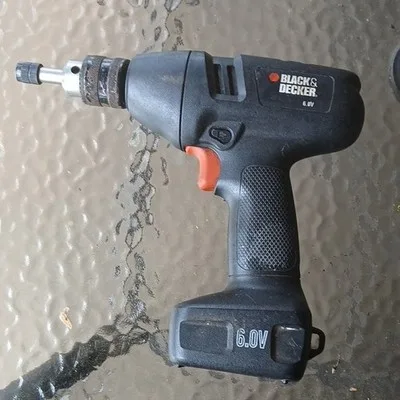
Yes. A regular drill is an excellent choice for most home projects. It works well for drilling holes and driving screws into wood, plastic, and metal. It is also easy to use for common tasks around the house. If you build furniture, install cabinets, or hang small items, this tool can cover many of your needs.
Think about assembling a bookcase or putting up a wooden shelf. You need a tool that can make neat holes and drive screws without much fuss. A regular drill does both jobs. Its rotating motion gives you good control. You can also adjust the clutch on many drill drivers to help stop screws from going too deep.
For the drill vs hammer drill choice, a regular drill makes sense when most of your work involves common home materials. It is often lighter and simpler than a hammer drill. However, it lacks the repeated forward striking action needed for efficient masonry drilling. You can use a regular drill with a suitable masonry bit for some light tasks, but hard concrete may make the job slow and tiring.
What Makes It Stand Out: Key Features
- Rotating ActionThe motor turns the drill bit to cut a hole or drive a screw. It does not add a hammering motion.
- Variable SpeedMany models let you control speed with the trigger. This helps with starting holes and driving screws with care.
- Adjustable ClutchMany drill drivers include a clutch with several settings. It helps control screw depth and reduces the chance of damaging soft materials.
- Two-Speed GearboxSome models offer a low gear for more control and a high gear for faster drilling.
- Keyless ChuckA keyless chuck lets you fit and remove many drill bits without a separate chuck key.
- Wide Bit ChoiceYou can use suitable bits for wood, metal, plastic, and other materials. The bit must match the job.
- Compact DesignMany regular drills have a small body that fits well in tight spaces and makes overhead work easier.
My Recommendation
Choose a regular drill if you mainly work with wood, metal, plastic, furniture, and household fixtures. It is a sensible first power tool for most homeowners and DIY users. You do not need a hammering function if you rarely drill into masonry.
| Best For | Why |
|---|---|
| Homeowners | It handles routine repairs, shelves, furniture, and basic installation jobs. |
| Woodworkers | It drills clean holes in wood with suitable bits and speed settings. |
| DIY Beginners | It offers simple controls and useful everyday functions. |
Is a Hammer Drill Good?
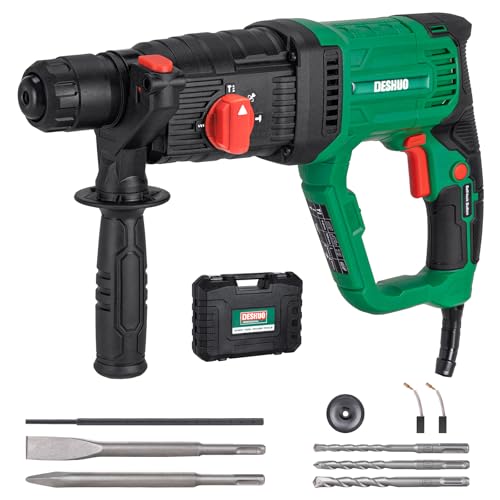
Yes. A hammer drill is a strong choice when your projects include brick, concrete, stone, or other masonry. It uses a normal rotating action and adds rapid forward strikes. These small impacts help the bit break through hard material as it turns.
Imagine installing a handrail on a concrete wall or mounting a heavy shelf on a brick surface. A regular drill may turn the bit without making much progress. A hammer drill adds a tapping action that helps the bit move through the material. It is like using a small hammer while drilling.
In the drill vs hammer drill comparison, the hammer drill has the clear advantage for masonry work. Many models also let you turn the hammer function off. This means you can use the tool as a regular drill for many wood and metal jobs. Still, it can be heavier, more expensive, and more powerful than you need for simple household work.
What Makes It Stand Out: Key Features
- Hammering ActionThe tool adds rapid forward impacts while the bit rotates. This helps break through masonry.
- Drill-Only ModeMany hammer drills let you turn off the hammer action. You can then drill wood, plastic, and metal with the correct bit.
- Variable SpeedA variable-speed trigger helps control the drilling process and makes it easier to start a hole.
- Torque ControlMany models include adjustable clutch settings for screw driving and other controlled tasks.
- Masonry Bit SupportA hammer drill works with compatible masonry bits designed for brick, concrete, and stone.
- Extra Drilling PowerIts combined rotation and impact action can make masonry drilling faster and less demanding than using a regular drill.
- Multiple Operating ModesSome models offer drill-only, hammer-drill, and other settings. Available modes depend on the tool design.
My Recommendation
Choose a hammer drill if you often install anchors, shelves, fixtures, or other items on brick and concrete walls. It is also a smart option if you want one tool that can handle both regular drilling and light to moderate masonry work.
| Best For | Why |
|---|---|
| Concrete Drilling | The hammer action helps drill into concrete with a suitable masonry bit. |
| Contractors | It is useful for repeated masonry work and mixed jobsite tasks. |
| Home Renovators | It handles common drilling tasks and many brick or concrete wall projects. |
Drill vs Hammer Drill: Side-by-Side Test
The main difference in the drill vs hammer drill debate is how each tool moves its bit. A regular drill spins. A hammer drill spins and strikes forward at the same time. That extra action changes how the tool handles hard materials.
Neither tool wins every task. The right choice depends on what you plan to drill, how often you use the tool, and how much control you need. The ratings below are practical editorial scores for typical use cases, not results from a controlled hands-on test.
1. Drilling Power: Which Tool Is Stronger?
A regular drill uses rotation alone. A hammer drill adds repeated impacts, which gives it an advantage in masonry.
| Feature | Regular Drill | Hammer Drill |
|---|---|---|
| Rotating Action | Yes | Yes |
| Forward Impact | No | Yes, in hammer mode |
| Wood and Metal | Very good | Very good in drill-only mode |
| Masonry Work | Limited | Much better |
⭐ Regular Drill – 7/10 | Hammer Drill – 9/10
The hammer drill wins for hard masonry, while a regular drill offers enough power for most everyday materials.
2. Speed and Work Efficiency
The best tool depends on the material. A regular drill can work faster on simple wood or metal tasks, while a hammer drill can save time in concrete.
| Feature | Regular Drill | Hammer Drill |
|---|---|---|
| Wood Drilling | Fast and smooth | Fast in drill-only mode |
| Metal Drilling | Good control | Good in drill-only mode |
| Concrete Drilling | Slow on hard material | More efficient |
| Repeated Masonry Holes | Not ideal | Better suited |
⭐ Regular Drill – 8/10 | Hammer Drill – 9/10
The hammer drill has the edge when the job involves repeated masonry holes, but the regular drill is efficient for routine drilling.
3. Ease of Use and Handling
A tool should feel comfortable in your hand. Weight, vibration, grip, and control all matter during a long project.
| Feature | Regular Drill | Hammer Drill |
|---|---|---|
| Typical Handling | Simple and direct | More settings to manage |
| Weight | Often lighter | Often heavier |
| Vibration | Lower during normal drilling | Higher in hammer mode |
| Beginner Friendly | Very good | Good with proper mode selection |
⭐ Regular Drill – 9/10 | Hammer Drill – 8/10
The regular drill wins for simple handling and comfort, especially during small home projects.
4. Versatility: Which Tool Does More?
Both tools can handle many jobs, but a hammer drill offers an extra operating mode on models that support switching.
| Feature | Regular Drill | Hammer Drill |
|---|---|---|
| Woodworking | Excellent | Excellent in drill-only mode |
| Screw Driving | Good on drill-driver models | Good on models with clutch control |
| Masonry | Limited | Excellent for suitable jobs |
| Operating Modes | Drill and screw driving on many models | Drill and hammer drilling on many models |
⭐ Regular Drill – 8/10 | Hammer Drill – 9/10
A hammer drill offers more material flexibility when it has a drill-only setting, but a regular drill remains excellent for everyday tasks.
5. Price and Overall Value
Price depends on the brand, motor, battery platform, included accessories, and tool features. A hammer drill may cost more, but the gap varies.
| Feature | Regular Drill | Hammer Drill |
|---|---|---|
| Basic Models | Often more affordable | Often costs more |
| Advanced Models | Prices rise with power and features | Prices rise with power and features |
| Value for Woodworking | Excellent | Good, but may be unnecessary |
| Value for Masonry | Limited | Excellent |
⭐ Regular Drill – 9/10 | Hammer Drill – 8/10
A regular drill offers better value for basic home repairs, while a hammer drill earns its cost when masonry work is common.
6. Battery Life and Power Use
Battery life depends on the motor, battery capacity, material, pressure, and workload. Hammer mode often places extra demands on the tool.
| Feature | Regular Drill | Hammer Drill |
|---|---|---|
| Light Wood Drilling | Usually efficient | Usually efficient in drill-only mode |
| Concrete Drilling | May struggle or stall | Designed for this task |
| Battery Demand | Depends on drilling load | Can rise in hammer mode |
| Battery Choice | Match the tool platform | Match the tool platform |
⭐ Regular Drill – 9/10 | Hammer Drill – 8/10
The regular drill may use less energy for simple work, but the hammer drill can complete masonry jobs more efficiently.
7. Noise, Vibration, and Comfort
A quiet indoor repair is very different from drilling into a concrete wall. The hammering action changes the feel and sound of the work.
| Feature | Regular Drill | Hammer Drill |
|---|---|---|
| Operating Sound | Usually quieter | Usually louder in hammer mode |
| Vibration | Generally lower | Generally higher in hammer mode |
| Long Use | Often more comfortable | Can cause more hand fatigue |
| Indoor Repairs | Good for routine jobs | Useful when masonry needs drilling |
⭐ Regular Drill – 9/10 | Hammer Drill – 7/10
The regular drill offers a smoother experience for routine work, while the hammer drill trades some comfort for masonry performance.
8. Maintenance and Tool Life
Both tools need basic care. Dust, heat, poor storage, and worn parts can shorten the life of any power tool.
| Feature | Regular Drill | Hammer Drill |
|---|---|---|
| Basic Cleaning | Simple | Simple, with extra care after masonry work |
| Bit Care | Use suitable sharp bits | Use suitable masonry bits |
| Dust Exposure | Depends on the material | Can be high during concrete drilling |
| Service Needs | Depends on design and use | Depends on design and use |
⭐ Regular Drill – 9/10 | Hammer Drill – 8/10
The regular drill has a simpler job in many home settings, but good cleaning and correct use help both tools last.
Final Verdict: Which Should You Buy?
The drill vs hammer drill choice comes down to your materials. A regular drill is the better everyday pick for wood, metal, plastic, furniture, and common home repairs. It is often lighter, simpler, and more affordable. A hammer drill is the better choice when you need to make holes in brick, concrete, or stone. Its extra striking action makes those jobs easier.
If you only plan to buy one tool and often work on masonry, choose a hammer drill with a drill-only mode and a useful clutch. If your projects mostly involve wood and household repairs, a regular drill is the smarter buy. For very heavy concrete work, consider a rotary hammer instead.