Chainsaw Pants vs Chaps: Which Is Safer?


Are Chainsaw Pants Good?
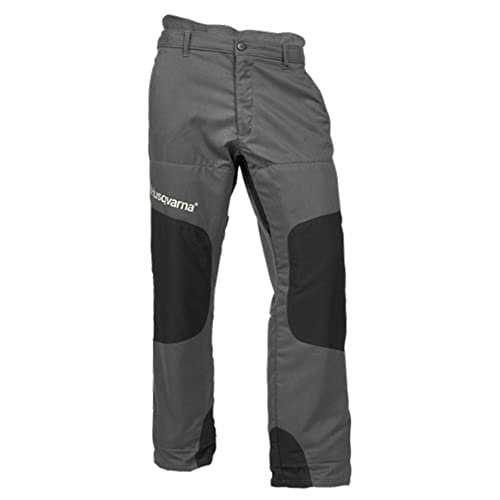
Yes. Chainsaw pants are a strong choice for people who use a chainsaw often. They combine regular work trousers with special cut-resistant material. This design keeps the protective layer in place as you walk, bend, and move around. You do not need to put on a separate apron before each cutting job.
Think about a person who cuts firewood every weekend. They may spend hours walking around logs, moving branches, and using a saw. Chainsaw pants can make this routine easier. There is no need to check several straps each time they move. The protective layer stays part of the garment. This can make pants a useful choice for regular work in a yard, woodlot, or small logging site.
The main trade-off is heat and cost. Protective layers can make the pants heavier and warmer than normal work trousers. They may also cost more than a basic pair of chainsaw chaps. Fit matters too. Pants that are too tight may limit movement. Pants that are too loose may catch on branches or other objects.
My verdict is yes for regular chainsaw users. However, I would not choose pants based on appearance alone. I would first check the safety label, test standard, protective design, size, and saw compatibility. A well-certified pair of chaps can be a better choice than pants with unclear safety claims.
What Makes Chainsaw Pants Stand Out?
- Built-in protectionProtective material sits inside the pants. You do not need a separate pair of leg guards.
- Secure fitThe garment stays around your waist and legs. There are no separate chap straps to fasten.
- Leg coverageMany models protect the front and sides of the legs. Some designs offer more coverage. Check the exact model before buying.
- Work clothing designThey look like regular work trousers. Many models include pockets, waist adjustments, and reinforced areas.
- Frequent-use comfortA good fit can make them practical for long cutting sessions. Breathable fabric and ventilation help manage heat.
- Protective fabric layersSpecial fibers help slow or jam a moving chainsaw chain. Their performance depends on the tested design and the saw involved.
- Less setupYou can put them on like normal trousers. This removes the extra step of fitting separate protective coverings.
- Care requirementsCleaning and storage rules depend on the manufacturer. Damage to protective layers can reduce their safety value.
My Recommendation
I recommend chainsaw pants for professional cutters, regular firewood users, and people who spend long hours operating a chainsaw. Choose a model with clear safety certification, proper coverage, and a comfortable fit. Do not assume every pair offers the same protection.
| Best For | Why |
|---|---|
| Professional cutters | Integrated protection works well for repeated daily use. |
| Regular firewood users | They avoid the extra step of putting on separate chaps. |
| Frequent outdoor work | They offer a simple work outfit with built-in leg protection. |
Are Chainsaw Chaps Good?
Yes. Chainsaw chaps are a practical choice for homeowners, farmers, and occasional chainsaw users. They fit over regular work trousers and cover the legs with special protective material. Most apron-style models protect the front and sides of the legs. Full-wrap designs offer more coverage around the back.
Think about a homeowner who cuts a few fallen limbs after a storm. They may not need special protective trousers every day. A pair of quality chaps can provide a separate safety layer for the job. Once the cutting ends, the user can remove them and keep wearing the same work trousers.
The biggest benefit is flexibility. You can use chaps over different pairs of pants. You can also share them between workers if the size and fit suit each person. Their removable design makes storage simple. This is one reason they remain popular for farm work and home firewood cutting.
Still, chaps need proper adjustment. Loose straps can allow the protective material to move out of place. Poor length can leave gaps near the boots. They may also catch on branches or brush. My verdict is yes for occasional work, as long as the chaps meet a recognized safety standard and fit correctly. They are not a replacement for safe cutting habits.
What Makes Chainsaw Chaps Stand Out?
- Removable designChaps fit over regular work trousers. You can remove them when the cutting task ends.
- Adjustable strapsWaist and leg straps help hold the protective material in place. Adjust them before using the chainsaw.
- Front leg protectionCommon apron-style models cover the front and sides of the legs. Full-wrap models can offer more coverage.
- Easy storageYou can fold or hang many models in a garage or tool shed. Follow the maker’s storage instructions.
- Flexible clothing choiceYou can wear them over suitable jeans or work trousers. The base clothing does not need built-in chainsaw protection.
- Protective fiber layersMany models use layers of synthetic fibers designed to slow or jam a moving chain.
- Different lengthsChaps come in different lengths and waist sizes. The right size should cover the required area without touching the ground.
- Easy removalBuckles and straps allow users to take them off without changing their regular trousers.
My Recommendation
I recommend chainsaw chaps for homeowners, small farms, and people who cut wood from time to time. They offer a flexible and often less costly way to add leg protection. Choose a tested model with the right length, coverage, and fit.
| Best For | Why |
|---|---|
| Homeowners | They provide removable protection for occasional yard work. |
| Farm owners | They can be worn over different suitable work trousers. |
| Budget-minded users | They can cost less than a full pair of protective pants. |
Chainsaw Pants vs Chaps: Side-by-Side Test
The chainsaw pants vs chaps choice comes down to how often you cut wood and what type of coverage you need. Both products use special materials to help reduce leg injuries. Neither one makes a chainsaw safe to touch.
The biggest difference is how you wear them. Pants replace your regular work trousers. Chaps go over them. This small design change affects cost, comfort, coverage, and daily use. The ratings below are editorial comparisons of typical product designs, not results from laboratory tests or personal field trials. Actual performance depends on the model and its certification.
1. Safety and Cut Protection
Safety should come first when comparing chainsaw pants vs chaps. Both can offer useful protection when they meet the right performance standard.
| Feature | Chainsaw Pants | Chainsaw Chaps |
|---|---|---|
| Protective material | Built into the trousers | Built into a separate covering |
| Front leg protection | Depends on garment design | Common on apron-style models |
| Rear leg protection | Depends on coverage design | Varies; full-wrap models cover more |
| Safety standard | Check the product label and certification | Check the product label and certification |
⭐ Chainsaw Pants – 9/10 | Chainsaw Chaps – 8/10
Chainsaw pants get the edge for integrated coverage and a secure fit in many designs. However, a certified full-wrap chap can offer strong protection too. The safety label matters more than the product name.
2. Comfort and Freedom of Movement
Comfort matters when you spend hours cutting firewood or clearing a yard. A poor fit can make even good protective gear hard to wear.
| Feature | Chainsaw Pants | Chainsaw Chaps |
|---|---|---|
| Weight | Can feel heavy due to built-in layers | Adds weight over regular trousers |
| Movement | Depends on fit and fabric design | Can feel bulky around the legs |
| Heat control | Some models include ventilation | Extra layers can trap heat |
| Fit adjustment | Waist and garment sizing | Waist and leg straps |
⭐ Chainsaw Pants – 8/10 | Chainsaw Chaps – 7/10
Chainsaw pants have the edge for users who prefer one fitted garment. Chaps may feel less comfortable when straps are tight or the design adds too much bulk.
3. Price and Overall Value
Your budget can change the chainsaw pants vs chaps decision. Both options have different price levels based on materials, design, and certification.
| Feature | Chainsaw Pants | Chainsaw Chaps |
|---|---|---|
| Starting cost | Often higher | Often lower |
| Regular use | Good value for frequent users | Good value if properly maintained |
| Extra clothing | Replaces regular trousers | Needs suitable trousers underneath |
| Long-term value | Depends on wear and care | Depends on wear and care |
⭐ Chainsaw Pants – 8/10 | Chainsaw Chaps – 9/10
Chaps have the edge for initial cost. They are a practical entry point for people who use a chainsaw only a few times each year.
4. Ease of Use and Convenience
Putting on protective gear should be simple. The less time you spend adjusting it, the easier it is to prepare for a cutting job.
| Feature | Chainsaw Pants | Chainsaw Chaps |
|---|---|---|
| Putting them on | Like regular work trousers | Fasten waist and leg straps |
| Adjustment | Mostly during sizing | Before each use |
| Removal | Remove like trousers | Remove without changing trousers |
| Daily routine | Simple for regular use | Flexible for occasional use |
⭐ Chainsaw Pants – 9/10 | Chainsaw Chaps – 8/10
Pants win for simple daily preparation. Chaps win when you want to take off the protective layer without changing your regular clothes.
5. Coverage and Fit
The amount of leg protection depends on the exact design. Do not assume every pair of pants covers more than every pair of chaps.
| Feature | Chainsaw Pants | Chainsaw Chaps |
|---|---|---|
| Front coverage | Depends on protective insert | Usually broad on apron designs |
| Side coverage | Varies by model | Varies by model |
| Rear coverage | Varies by garment design | Greater on full-wrap designs |
| Boot overlap | Check garment instructions | Must cover the required area above boots |
⭐ Chainsaw Pants – 9/10 | Chainsaw Chaps – 8/10
Pants get a small edge as a general choice for integrated coverage. Full-wrap chaps can narrow or remove that difference. Always check the protective area shown by the manufacturer.
6. Cleaning and Maintenance
Protective clothing needs proper care. Dirt, oil, tears, and damaged fibers can affect how well it works.
| Feature | Chainsaw Pants | Chainsaw Chaps |
|---|---|---|
| Cleaning | Follow the garment label | Follow the chap manufacturer’s instructions |
| Drying | Use the approved method | Use the approved method |
| Inspection | Check seams and protective areas | Check straps, buckles, and protective areas |
| Damage | Replace if protective layers are damaged | Replace if protective layers are damaged |
⭐ Chainsaw Pants – 8/10 | Chainsaw Chaps – 8/10
Neither product wins every time. Good care matters more than the garment type. Follow the exact cleaning and replacement instructions.
7. Best Use for Different Jobs
The right choice depends on your work routine. A homeowner clearing one fallen tree has different needs from a worker cutting wood every day.
| Feature | Chainsaw Pants | Chainsaw Chaps |
|---|---|---|
| Professional cutting | Strong choice for frequent use | Useful when approved for the job |
| Home yard work | Good for regular cutting | Practical for occasional cutting |
| Farm work | Good for repeated saw use | Easy to add over work trousers |
| Seasonal firewood | Good for long cutting sessions | Good for limited cutting tasks |
⭐ Chainsaw Pants – 9/10 | Chainsaw Chaps – 9/10
Both products work for different users. Pants suit regular cutting, while chaps offer a flexible option for seasonal and occasional jobs.
Final Verdict: Which Should You Buy?
In the chainsaw pants vs chaps comparison, chainsaw pants are my overall choice for people who use a saw often. They offer integrated protection and remove the need to adjust separate straps. They can also make daily work preparation easier.
However, chainsaw chaps are a smart option for homeowners and occasional users. They often cost less and fit over regular work trousers. If you want removable protection, they make more sense. Before buying either product, check its safety standard, coverage, fit, and compatibility with your saw. The best protective gear is the one that meets the job’s requirements and that you wear correctly.