Impact Driver Bits vs Drill Bits: Key Differences


Are Impact Driver Bits Good?
Yes. Impact driver bits are an excellent choice for people who drive many screws or work with tough materials. They are made to handle the repeated twisting force of an impact driver. Their design often includes a flexible torsion zone. This area helps absorb sudden force and may reduce the chance of the bit breaking. Many impact-rated bits also use stronger steel and special heat treatments.
Think about building a wooden deck, installing fence boards, or assembling a large storage shed. These jobs often involve hundreds of screws. A standard screwdriver bit may wear out or snap under repeated high torque. An impact-rated bit is better suited to this kind of work. I would keep a set close when working on home repairs that need a lot of fastening. It can make the job feel smoother and reduce tool changes.
However, impact driver bits are not the right choice for every task. Most are designed for screws, bolts, and similar fasteners. They do not automatically replace cutting drill bits. Some special impact-rated drill bits can make holes, but ordinary impact driver bits cannot do that job. In the impact driver bits vs drill bits debate, impact bits win for fastening work, not general drilling.
I also like their common 1/4-inch hex shank. It fits many impact driver collets and quick-change bit holders. This makes bit changes simple. Still, I would check the bit rating and size before buying. A strong bit can last longer, but it cannot prevent damage caused by poor technique or excessive torque.
What Makes Impact Driver Bits Stand Out?
- Impact-rated constructionThese bits are designed to handle the repeated rotational blows created by an impact driver. Their construction helps them resist sudden stress.
- Torsion zoneMany impact bits have a narrow or specially shaped section that can flex slightly under load. This helps absorb some twisting force.
- Strong steelManufacturers often use heat-treated tool steel or other tough alloys. The exact material depends on the brand and product.
- Hex shankMost common impact driver bits use a 1/4-inch hex shank. This fits many impact drivers and quick-change holders.
- Fast bit changesHex shanks work well with compatible quick-release holders. You can switch between common screw sizes without much delay.
- Different bit tipsYou can find Phillips, slotted, Torx, square, and other driver tips. This gives you options for many common fasteners.
- Wear-resistant tipsSome models use special tip shapes, coatings, or machining to improve grip and reduce cam-out. Results vary by design.
My Recommendation
Choose impact driver bits if you own an impact driver and often install screws, deck boards, shelves, or other fasteners. They are a practical choice for repeated high-torque work. Buy a clearly marked impact-rated set rather than assuming every hex bit is suitable.
| Best For | Why |
|---|---|
| Deck building | Impact-rated bits are suited to driving many screws into outdoor wood. |
| Home repairs | They handle common fastening jobs and allow quick bit changes. |
| Professional installers | They are useful for repeated fastening with compatible impact drivers. |
Are Standard Drill Bits Good?
Yes. Standard drill bits are the right choice when you need to make holes in wood, metal, plastic, and other suitable materials. They cut into a surface as the drill rotates. Their cutting edges remove material and create a hole of the chosen size. Different designs suit different materials, so one set may not cover every drilling task.
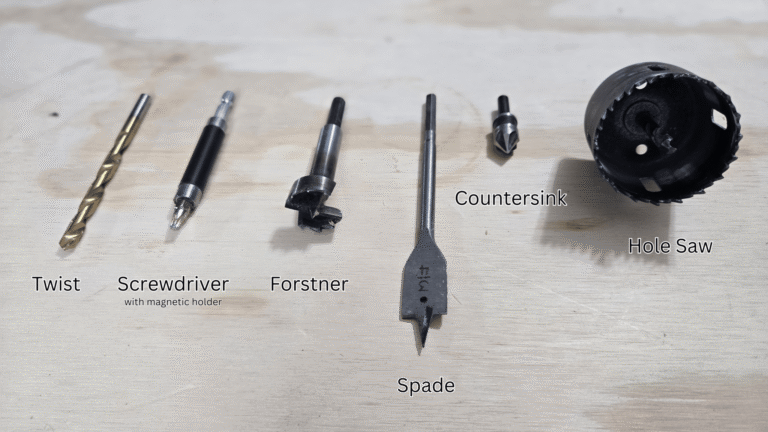
I would choose standard drill bits for jobs such as mounting shelves, making pilot holes, building furniture, and repairing household items. A twist drill bit can handle many basic jobs in wood and metal when its material and cutting geometry match the work. Brad-point bits are useful for cleaner holes in wood. Masonry bits are designed for brick and concrete when used with a suitable drill.
The main strength of drill bits is their cutting ability. They are built to remove material, not to absorb repeated impact blows from an impact driver. Many standard drill bits have round shanks that fit a traditional drill chuck. Some have hex shanks, but that does not automatically make them impact-rated. The shank shape and the impact rating are two different things.
In the impact driver bits vs drill bits comparison, drill bits are the better option for hole-making. They offer a wide range of sizes and cutting styles. However, I would not put an ordinary round-shank drill bit into an impact driver unless the tool and bit are specifically designed for that use. A standard drill or drill/driver gives better control for most normal drilling tasks.
What Makes Drill Bits Stand Out?
- Cutting edgesDrill bits have cutting lips or points that remove material as the bit rotates. Their shape affects how they cut and the finish they leave.
- Different bit designsTwist bits, brad-point bits, spade bits, step bits, and masonry bits serve different drilling needs.
- Material optionsDrill bits may use high-speed steel, cobalt alloy, carbide, or other materials. The best choice depends on the workpiece.
- Different shanksMany standard drill bits have round shanks for chuck-style drills. Some use hex shanks for compatible quick-change systems.
- Hole size choicesDrill bit sets often include several diameters. This helps with pilot holes, hardware installation, and general workshop work.
- Material-specific designsWood, metal, masonry, and plastic can require different cutting shapes and materials for good results.
- Drilling accuracyThe right drill bit, speed, and setup help create clean holes with less wandering and damage.
My Recommendation
Choose standard drill bits if your main jobs involve making holes in wood, metal, or plastic. They are essential for furniture assembly, home repairs, and workshop tasks. Match the bit type to the material and use a compatible drill.
| Best For | Why |
|---|---|
| Furniture projects | They make pilot holes and mounting holes for screws and hardware. |
| Metalworking | Suitable high-speed steel or cobalt bits can drill many metal materials. |
| General DIY | A mixed drill bit set covers many everyday hole-making tasks. |
Impact Driver Bits vs Drill Bits: Side-by-Side Test
The biggest difference between impact driver bits and drill bits is their purpose. Impact driver bits are mainly made to drive fasteners. Drill bits are made to cut holes. Their designs reflect these jobs, from the tip shape to the material and shank.
Both can be useful in the same project. For example, when building a wooden deck, you may drill pilot holes first and then drive screws. This is why many homeowners benefit from owning both types. The right choice depends on what your tool needs to do at each stage.
1. Main Purpose: Driving or Drilling?
Start with the job itself. One type turns screws, while the other cuts holes. This is the most important difference in the impact driver bits vs drill bits comparison.
| Feature | Impact Driver Bits | Drill Bits |
|---|---|---|
| Main job | Drive and remove fasteners | Make holes in materials |
| Common tasks | Installing screws and bolts | Drilling pilot and mounting holes |
| Tip design | Matches the fastener head | Cuts into the workpiece |
| Best tool | Compatible impact driver | Compatible drill or drill/driver |
⭐ Impact Driver Bits – 10/10 | Drill Bits – 10/10
Neither wins every task. Impact driver bits lead at fastening, while drill bits lead at hole-making.
2. Design and Construction: What Is Different?
A closer look at the bit shows why the two types behave differently. Their shapes and construction match the forces they face.
| Feature | Impact Driver Bits | Drill Bits |
|---|---|---|
| Tip | Phillips, Torx, square, and other driver tips | Cutting point and cutting edges |
| Body | Often includes a torsion zone | Designed to support cutting and chip removal |
| Material | Often hardened or specially treated steel | HSS, cobalt, carbide, and other materials |
| Main stress | Repeated twisting and impact loads | Cutting pressure, heat, and friction |
⭐ Impact Driver Bits – 9/10 | Drill Bits – 9/10
Impact driver bits focus on handling fastening stress. Drill bits focus on cutting material cleanly.
3. Strength and Durability: Which Lasts Longer?
Durability depends on the material, quality, task, and technique. A bit can fail quickly when you use it for the wrong job.
| Feature | Impact Driver Bits | Drill Bits |
|---|---|---|
| Impact resistance | Designed for compatible impact drivers | Standard types are not designed for impact blows |
| Cutting wear | Not designed for general hole cutting | Designed for cutting material |
| Common failure | Tip wear, twisting, or breakage | Dull edges, bending, or snapping |
| Best use | Repeated screw driving | Repeated drilling |
⭐ Impact Driver Bits – 9/10 | Drill Bits – 9/10
Impact-rated bits have the edge under impact loads, while suitable drill bits last well when used for their intended cutting tasks.
4. Tool Compatibility: Can You Swap Them?
This is where many new tool owners make mistakes. A bit that fits physically may still be unsuitable for the tool.
| Feature | Impact Driver Bits | Drill Bits |
|---|---|---|
| Impact driver | Commonly compatible when the shank and rating match | Only suitable impact-rated drill bits with compatible shanks |
| Standard drill | Usually works with a compatible chuck or holder | Commonly compatible with the correct chuck |
| Shank style | Usually 1/4-inch hex | Round or hex, depending on the model |
| Important check | Check the driver and holder specifications | Check shank fit and impact rating |
⭐ Impact Driver Bits – 9/10 | Drill Bits – 9/10
Do not judge compatibility by shank shape alone. The bit must also carry the correct rating for the tool.
5. Accuracy and Finish: Which Gives Better Results?
A clean result depends on choosing the correct bit. Using a fastening bit to drill a hole or a cutting bit to drive a screw will not give good results.
| Feature | Impact Driver Bits | Drill Bits |
|---|---|---|
| Fastener grip | Designed to fit screw and fastener heads | Not designed to grip fastener heads |
| Hole accuracy | Not suitable for ordinary drilling | Designed for accurate hole-making |
| Clean screw installation | Excellent with the correct tip | Can make pilot holes before fastening |
| Material removal | No general cutting function | Removes material through cutting |
⭐ Impact Driver Bits – 9/10 | Drill Bits – 10/10
Drill bits win for hole accuracy. Impact driver bits win for fitting and driving screws.
6. Speed and Convenience: Which Saves More Time?
The right bit saves time because it reduces tool changes, slipping, and failed attempts. The best option depends on the task.
| Feature | Impact Driver Bits | Drill Bits |
|---|---|---|
| Fastener installation | Very convenient with an impact driver | Not intended for direct screw driving |
| Hole-making | Requires a suitable drilling accessory | Designed for the task |
| Bit changes | Quick with a compatible hex holder | May require loosening and tightening a chuck |
| Best workflow | Fast repetitive fastening | Controlled drilling |
⭐ Impact Driver Bits – 10/10 | Drill Bits – 9/10
Impact driver bits save time during repeated fastening. Drill bits make drilling tasks more direct and efficient.
7. Price and Value: Which Should You Buy?
Price depends on the brand, bit count, material, coating, and included sizes. A larger set is not always the better deal.
| Feature | Impact Driver Bits | Drill Bits |
|---|---|---|
| Basic sets | Often available in affordable multi-piece packs | Often available in affordable size assortments |
| Premium options | Special steel, torsion zones, and coatings | Cobalt, carbide, and specialized cutting designs |
| Long-term value | Good for repeated fastening | Good for repeated drilling |
| Buying priority | Correct tip sizes and impact rating | Correct diameter and material rating |
⭐ Impact Driver Bits – 9/10 | Drill Bits – 9/10
Both offer good value when they match your work. Buy the right sizes and quality rather than the biggest set.
Final Verdict: Which Should You Buy?
In the impact driver bits vs drill bits comparison, the winner depends on your job. Impact driver bits are the better choice for driving screws, building decks, and handling repeated fastening. Their impact-rated construction helps them manage the force of compatible impact drivers. Drill bits are better for making holes in wood, metal, plastic, and other suitable materials.
If you own both a drill and an impact driver, keep both types in your toolbox. Use drill bits to make holes and impact-rated driver bits to install fasteners. If you can buy only one set, start with the tool you use most. The right bit is like the right key: it makes the whole job easier.