Rotary Hammer Drill vs Hammer Drill: Key Differences

Is a Rotary Hammer Drill Good?
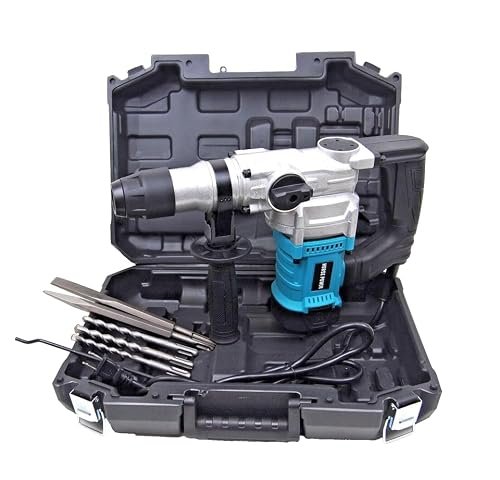
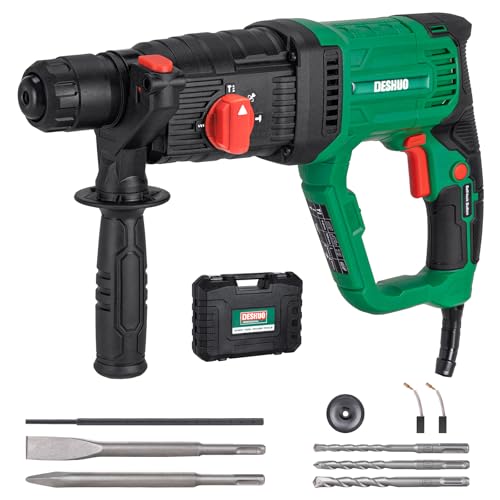
Yes. A rotary hammer is an excellent choice if you often drill into concrete, stone, or hard masonry. It uses a piston-based hammer system to deliver strong blows to the drill bit. This action helps break hard material while the bit rotates. It does much more of the hard work than a standard hammer drill.
I would choose this tool for installing concrete anchors, drilling holes for plumbing, and mounting heavy items on concrete walls. Think about a home renovation where you need several holes in a basement wall. A regular drill may take more time and effort. A rotary hammer is built for this kind of work.
Many rotary hammers use an SDS chuck. SDS stands for a special bit-holding system that lets the bit move back and forth during hammering. This helps transfer impact energy to the material. SDS-Plus is common on smaller rotary hammers, while larger tools may use SDS-Max.
Another useful feature is the chisel mode on many models. It stops the bit from rotating and lets you use a suitable chisel attachment. This can help remove small areas of tile, loose mortar, or old plaster. However, a rotary hammer is not a full replacement for a large demolition hammer.
There are trade-offs. Rotary hammers tend to weigh more and cost more than basic hammer drills. They also need special SDS accessories unless you use a suitable chuck adapter. I would not buy one just to hang a few pictures or drill small holes in soft brick. It is a powerful tool, but that power is not useful for every task.
What Makes It Stand Out / Key Features
- Piston-Based Hammer SystemA motor drives a piston that creates air pressure. This pressure moves a striker that hits the bit. The system delivers stronger impacts than the basic cam mechanism in a conventional hammer drill.
- SDS Bit HolderMany models use an SDS-Plus or SDS-Max chuck. The slotted bit fits into the holder and can move slightly along its length. This allows the hammer system to transfer energy to the bit.
- Strong Concrete PerformanceThe tool is designed for hard masonry and concrete. It can drill larger holes and handle repeated drilling better than most standard hammer drills.
- Multiple Operating ModesMany models offer rotation only, hammer drilling, and hammer-only modes. The available modes depend on the model.
- Chiseling CapabilityHammer-only mode lets the user fit a compatible chisel for light demolition, tile removal, and small masonry repair jobs.
- Reduced Need for Downward PressureThe piston mechanism supplies strong impact energy. You generally do not need to push as hard as you would with a conventional hammer drill.
- Auxiliary HandleMany rotary hammers include a side handle. It helps you control the tool and manage its reaction when the bit meets hard material.
- Depth StopSome models include an adjustable depth guide. It helps you drill holes to a more consistent depth for anchors and other fittings.
My Recommendation
I recommend a rotary hammer if concrete drilling is a regular part of your work. It is a strong choice for contractors, electricians, plumbers, and homeowners handling major renovations. Check its impact energy, drilling capacity, weight, chuck type, and operating modes before buying.
| Best For | Why |
|---|---|
| Concrete construction | Its piston-based hammer action makes hard concrete drilling easier. |
| Repeated anchor installation | It handles many masonry holes with less effort. |
| Light demolition | Models with hammer-only mode can use compatible chisels. |
Is a Hammer Drill Good?
Yes. A regular hammer drill is a good choice for homeowners, DIY users, and people who need one tool for several common jobs. It can drill into wood, metal, plastic, brick, and some masonry when you use the correct bit and setting. Its main benefit is flexibility.
A standard hammer drill uses two ridged plates or cams to create a rapid tapping action. When the plates move against each other, they push the bit forward and back. This helps the bit break through masonry. The system works best when you apply steady pressure to the tool.
I would consider this type of drill for common American home projects. For example, you may need to mount a small shelf on a brick wall, install a curtain rod, or assemble furniture. A hammer drill can handle these jobs without the extra size and cost of a rotary hammer.
Most hammer drills have a regular three-jaw chuck. This makes it easy to use many common drill bits. You can also switch off hammer mode and use the tool for ordinary drilling. Many cordless models have a clutch that helps control screw driving, although the exact features vary.
The main weakness appears when you move from soft brick to hard poured concrete. A conventional hammer drill does not deliver the same impact energy as a rotary hammer. You may need more time, pressure, and patience. Large holes and repeated concrete drilling can also place more strain on the tool and the person using it.
For occasional light masonry work, that trade-off may be fine. For regular concrete work, I would spend more on a rotary hammer. The best choice depends on what you drill most often, not simply which tool looks more powerful.
What Makes It Stand Out / Key Features
- Cam-Based Hammer ActionTwo ridged plates move against each other to create a rapid tapping motion. The action helps the drill bit break through brick and other light masonry.
- Standard Three-Jaw ChuckThe chuck grips many common round and hex-shank drill bits. This gives the tool broad accessory compatibility.
- Regular Drilling ModeYou can switch off the hammer function for drilling wood, metal, and plastic with the right bit.
- Hammer Drilling ModeThis setting combines rotation with rapid forward tapping. It helps when drilling holes in brick, block, and some masonry.
- Variable Speed ControlMany models let you control the speed with the trigger. This helps when starting a hole or working with different materials.
- Clutch SettingsMany cordless hammer drills include a clutch for screw driving. It helps limit excess turning force and reduces the risk of damaging fasteners.
- Compact DesignMany models are smaller and lighter than rotary hammers. This makes them easier to carry and use in tight spaces.
- Common Battery PlatformsCordless models may share batteries with other tools from the same brand and battery platform. Check compatibility before buying.
My Recommendation
I recommend a regular hammer drill for home repairs, furniture projects, wood and metal drilling, and occasional brick holes. It is a practical choice when you want one versatile drill instead of a dedicated concrete tool.
| Best For | Why |
|---|---|
| Home maintenance | It handles common drilling and screw-driving tasks. |
| Occasional brick drilling | Its hammer mode helps with small masonry holes. |
| General DIY work | Its regular chuck accepts many standard drill bits. |
Rotary Hammer Drill vs Hammer Drill: Side-by-Side Test
The main difference in rotary hammer drill vs hammer drill is how each tool creates its impact. A regular hammer drill uses a mechanical cam system. A rotary hammer uses a piston and striker to deliver stronger blows. This affects drilling speed, comfort, bit choice, and the type of work each tool can handle.
Neither tool wins every category. A rotary hammer is better for hard concrete and repeated masonry work. A regular hammer drill is more flexible for everyday home use. The ratings below are general editorial assessments of the two tool types, not laboratory measurements or hands-on product test scores.
1. Power: Which Tool Hits Harder?
Power is the biggest difference in rotary hammer drill vs hammer drill. A rotary hammer delivers stronger blows through its piston-based system. A regular hammer drill uses a lighter tapping action.
| Feature | Rotary Hammer | Hammer Drill |
|---|---|---|
| Impact system | Piston and striker | Mechanical cams |
| Impact force | High | Lower |
| Hard concrete | Very good | Limited |
| User effort | Usually lower | Usually higher |
⭐ Rotary Hammer – 10/10 | Hammer Drill – 7/10
The rotary hammer wins for impact power and hard concrete work. A regular hammer drill has enough force for many light masonry jobs.
2. Concrete Drilling: Which Is Faster?
Concrete drilling is where the rotary hammer earns its higher price. It breaks hard material with stronger impacts while the bit rotates. A regular hammer drill can drill some concrete, but it often takes more time and effort.
| Feature | Rotary Hammer | Hammer Drill |
|---|---|---|
| Small concrete holes | Excellent | Possible with limits |
| Large concrete holes | Better suited | Not ideal |
| Repeated drilling | Designed for this work | Can be tiring |
| Reinforced concrete | Better option, subject to bit and model limits | Generally unsuitable |
⭐ Rotary Hammer – 10/10 | Hammer Drill – 6/10
The rotary hammer has a clear edge in concrete. For a few small holes in suitable masonry, a hammer drill may still be enough.
3. Versatility: Which Does More Jobs?
A regular hammer drill often makes more sense as an all-purpose household tool. It can drill common materials with the correct bit. A rotary hammer can also drill in regular rotation mode, but its size and chuck system may limit convenience.
| Feature | Rotary Hammer | Hammer Drill |
|---|---|---|
| Wood drilling | Possible with suitable accessory | Very good |
| Metal drilling | Possible with suitable chuck and bit | Very good |
| Brick drilling | Excellent | Good for light work |
| Screw driving | Less convenient | Better on models with a clutch |
⭐ Rotary Hammer – 8/10 | Hammer Drill – 10/10
The hammer drill wins for everyday flexibility. The rotary hammer is more specialized, even when it offers a regular drilling mode.
4. Bit Compatibility: Which Is Easier?
The chuck design changes which drill bits you can use. Most rotary hammers use SDS accessories. Most conventional hammer drills use a standard three-jaw chuck.
| Feature | Rotary Hammer | Hammer Drill |
|---|---|---|
| Common chuck | SDS-Plus or SDS-Max | Keyless or keyed three-jaw |
| Common masonry bits | SDS masonry bits | Round or hex-shank masonry bits |
| Accessory changes | Usually quick, tool-free SDS fitting | Chuck adjustment required |
| Standard drill bit use | May need an adapter | Usually direct compatibility |
⭐ Rotary Hammer – 8/10 | Hammer Drill – 9/10
The hammer drill wins for standard bit compatibility. The rotary hammer offers a secure SDS system built for heavy impact work.
5. Weight and Comfort: Which Is Easier to Handle?
Weight matters when you drill above your head or work in a tight space. A rotary hammer often feels heavier, while a compact hammer drill is easier to carry and store.
| Feature | Rotary Hammer | Hammer Drill |
|---|---|---|
| Typical design | Heavier and more robust | Often smaller and lighter |
| Overhead drilling | Can cause more fatigue | Often easier |
| Hard concrete work | Needs less user pressure | Needs more user pressure |
| Storage | Needs more room | Usually easier to store |
⭐ Rotary Hammer – 8/10 | Hammer Drill – 9/10
A compact hammer drill is easier for many small jobs. A rotary hammer can reduce effort during tough concrete drilling despite its extra weight.
6. Chiseling: Which Handles Light Demolition?
Some rotary hammers offer a hammer-only setting. This lets the user fit a compatible chisel and break small areas of masonry. Most conventional hammer drills do not have this feature.
| Feature | Rotary Hammer | Hammer Drill |
|---|---|---|
| Hammer-only mode | Available on many models | Usually unavailable |
| Tile removal | Suitable for small jobs with correct chisel | Not designed for this |
| Mortar removal | Useful for light work | Limited |
| Heavy demolition | Not a replacement for a demolition hammer | Not suitable |
⭐ Rotary Hammer – 10/10 | Hammer Drill – 2/10
The rotary hammer is the clear winner for light chiseling. Check the model specifications because not every rotary hammer offers hammer-only mode.
7. Price and Long-Term Value
A hammer drill is often cheaper to buy. A rotary hammer costs more because it has a stronger hammer mechanism and a specialized chuck. The better value depends on how often you work with concrete.
| Feature | Rotary Hammer | Hammer Drill |
|---|---|---|
| Purchase cost | Usually higher | Usually lower |
| Accessory cost | SDS bits and chisels | Common drill bits |
| Heavy concrete work | Better long-term fit | May be less efficient |
| Occasional home repairs | May be more tool than needed | Often better value |
⭐ Rotary Hammer – 8/10 | Hammer Drill – 9/10
The hammer drill offers better value for occasional home projects. The rotary hammer can justify its higher cost when concrete drilling is frequent.
8. Ease of Use: Which Is Better for Beginners?
Both tools need care and practice. However, a regular hammer drill is often easier for a new user to learn because it feels like a standard drill and accepts familiar accessories.
| Feature | Rotary Hammer | Hammer Drill |
|---|---|---|
| Basic operation | Requires mode and bit selection | Usually simple |
| Bit installation | SDS fitting | Adjustable chuck |
| Control | Needs a firm grip and good stance | Often easier for small jobs |
| Learning curve | Moderate | Usually lower |
⭐ Rotary Hammer – 8/10 | Hammer Drill – 9/10
The hammer drill is often easier for beginners. A rotary hammer becomes easier to appreciate when the job calls for strong concrete drilling.
Final Verdict: Which Should You Buy?
In the rotary hammer drill vs hammer drill comparison, the rotary hammer is the better choice for hard concrete, repeated drilling, large masonry holes, and light chiseling. Its piston-based system delivers stronger impacts and reduces the effort needed from the user.
The regular hammer drill is better for everyday home repairs, wood and metal drilling, small brick holes, and general DIY work. It usually costs less and accepts common drill bits. My recommendation is simple: buy a rotary hammer if concrete is your main concern. Choose a hammer drill if you need one flexible tool for many household jobs. Match the tool to the work, not just the highest power rating.