An impact drill is good for driving tough screws, fastening bolts, and making holes in hard materials when you use the right tool and bit. Its best uses depend on whether it is an impact driver or a hammer drill.
From hanging shelves in a Texas garage to building a backyard deck in Ohio, many American homeowners rely on power drills for repairs and weekend projects. An impact drill can make demanding fastening jobs easier, especially when a regular drill struggles with long screws or tight fasteners. However, the name can cause confusion because stores and tool brands use similar terms for different machines.
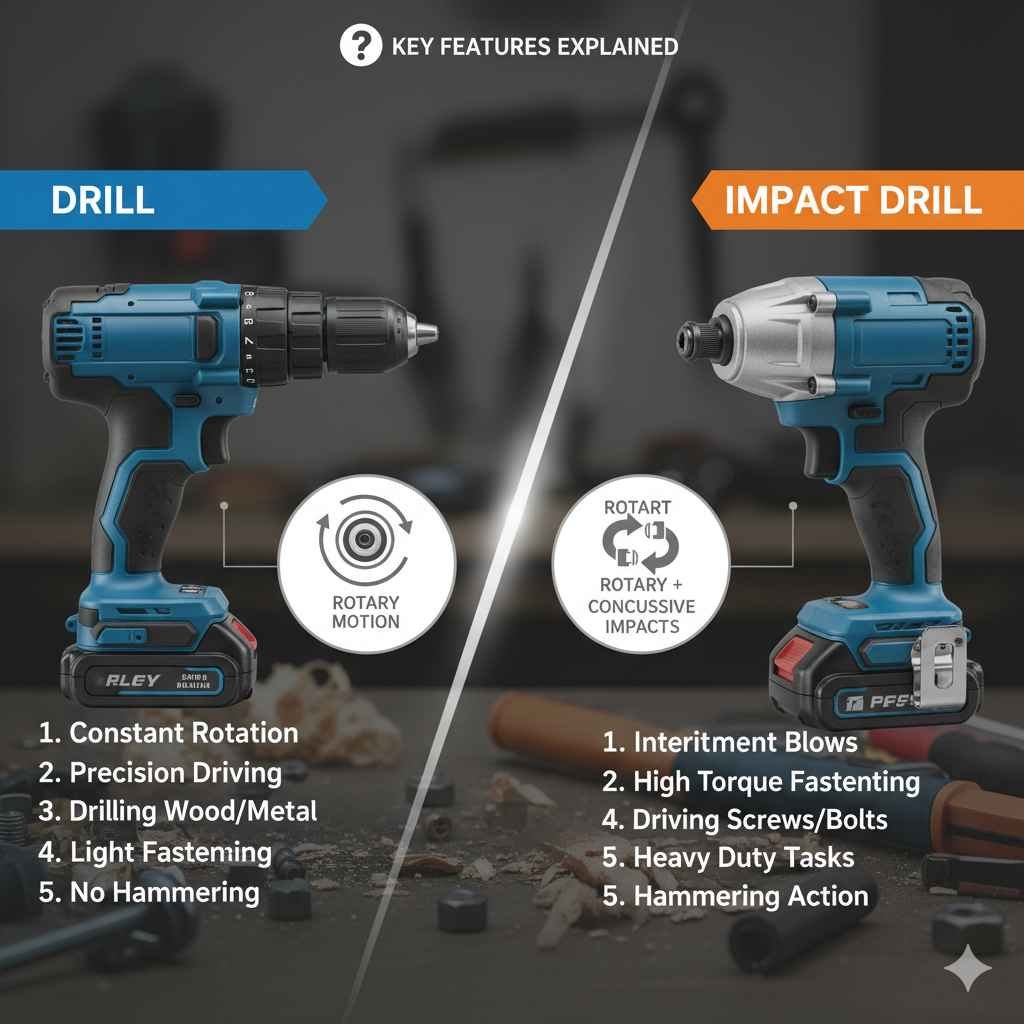
The key is to identify the tool before choosing a job. An impact driver uses repeated rotational blows to help turn screws and fasteners, while a hammer drill adds forward blows to help a drill bit cut into masonry. A standard drill mainly rotates the bit. Understanding these differences helps you choose the right tool, avoid damaged materials, and work more safely.
Source: cisivistools.com
What Is an Impact Drill Good For?
An impact drill is most useful when a job needs more help turning a fastener or cutting into a hard surface. The exact task depends on the tool type. An impact driver is built mainly for fastening, while a hammer drill is built to assist with drilling into masonry.
For a typical home project, an impact driver can save effort when you install a wood fence, assemble a deck, build a workbench, or drive long screws into framing lumber. A hammer drill is more useful when you need holes for masonry anchors in a brick wall or concrete block.
Neither tool replaces every other drill. If you need a clean hole for a cabinet handle or a pilot hole in a thin metal sheet, a standard drill often gives you better control. Choosing the tool by the task matters more than choosing the one with the highest power rating.
Source: ronixtools.com
Driving long screws
An impact driver can help drive long construction and deck screws into wood with less effort at the tool handle.
Fastening bolts and hardware
With compatible bits or adapters, an impact driver can turn certain bolts and fasteners. Check the tool and accessory ratings before use.
Drilling masonry holes
A hammer drill with a suitable masonry bit can help drill into brick, concrete block, and some concrete surfaces.
Routine home repairs
A standard drill is often sufficient for small pilot holes, furniture assembly, light fastening, and many household tasks.
Impact Drivers Are Best for Tough Fastening Jobs
An impact driver uses a rotating hammer mechanism that delivers repeated bursts of torque when resistance rises. Torque is the turning force applied to a screw or fastener. These bursts help the driver keep turning when a long screw meets resistance in dense wood.
This makes an impact driver useful for building decks, attaching fence boards, securing framing connectors when the fastener manufacturer permits impact use, and assembling heavy wooden structures. It can also help remove compatible stubborn fasteners, although rusted bolts may need penetrating oil and a different removal method.
Impact drivers can be loud and powerful. They may also strip screw heads or drive screws too far if you press the trigger without control. Start slowly, keep the bit aligned, and stop when the fastener reaches the required depth.
Good choice
Repeated fastening with long screws in wood.
Less suitable
Precision drilling that requires a clean, round hole or delicate control.
Hammer Drills Are Best for Masonry
A hammer drill combines rotation with rapid forward impacts. Those impacts help a masonry bit break and remove material as it turns. This differs from an impact driver’s rotational blows, which mainly help turn fasteners.
Use a hammer drill for suitable holes in brick, mortar, concrete block, and many concrete surfaces. Common jobs include installing approved masonry anchors, mounting outdoor fixtures, and attaching brackets to masonry walls.
The tool and bit must match the material. Some reinforced concrete, thick slabs, and repeated heavy-duty drilling may call for a rotary hammer rather than a conventional hammer drill. Never assume that every tool labeled impact drill has a masonry hammer mode.
Good choice
Drilling anchor holes into compatible masonry.
Less suitable
Driving screws quickly into wood when a dedicated impact driver is available.
How an Impact Drill Works
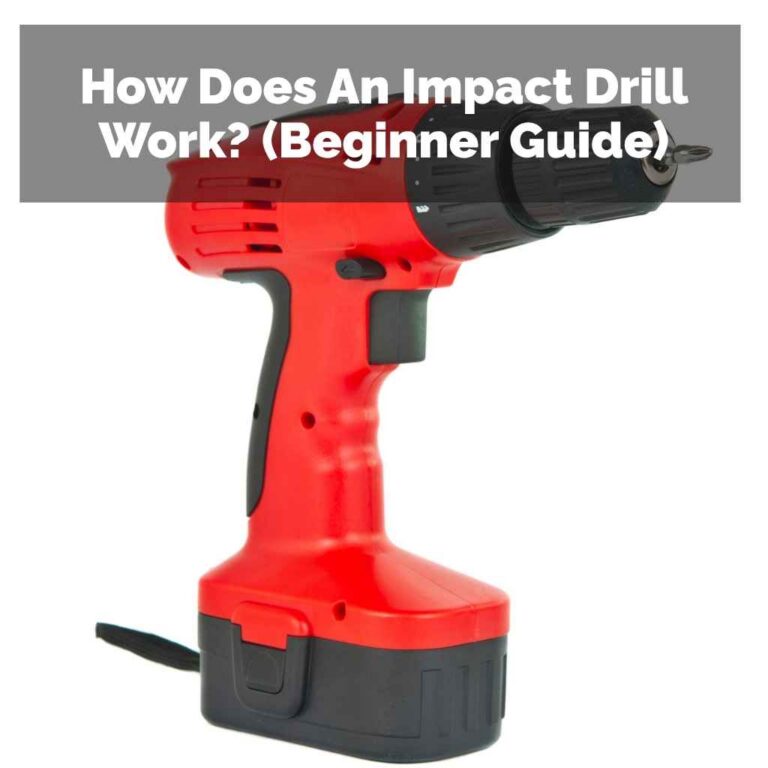
The phrase impact drill can refer to more than one type of power tool. Before using one, check the model name, the operating modes, and the manufacturer’s instructions. A tool’s shape alone does not tell you whether it is designed for fastening or masonry drilling.
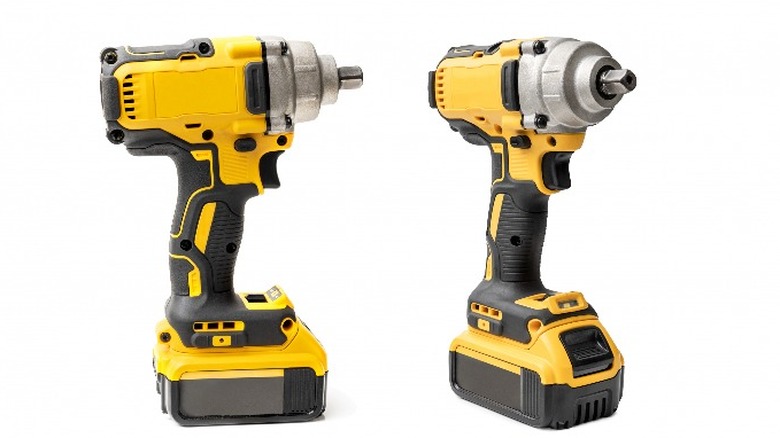
An impact driver delivers rotational impacts. When a fastener becomes harder to turn, an internal hammer and anvil mechanism produces repeated blows in the direction of rotation. This can increase useful turning force without requiring you to push as hard on the tool.
A hammer drill works differently. Its mechanism produces rapid forward and backward movement along the bit’s axis while the bit rotates. The resulting action helps a masonry bit break up hard material as it advances.
A standard drill uses a motor to rotate the bit, often with adjustable speed, a clutch, and a chuck that grips different bit shapes. It is generally the most versatile choice for routine drilling because it offers straightforward speed and torque control.
Source: shuntool.com
Rotational impact
Helps turn resistant screws and fasteners in an impact driver.
Forward hammer action
Helps a hammer drill cut into masonry with a suitable bit.
Continuous rotation
Makes a standard drill useful for controlled holes in wood, metal, plastic, and other compatible materials.
Why Impact Action Helps With Screws
Long screws can create substantial resistance as their threads move through wood. An impact driver’s short rotational blows help overcome that resistance. This can make repetitive fastening less tiring and reduce the need to lean heavily on the tool.
The benefit depends on the screw, material, pilot hole, bit fit, and tool settings. An impact driver cannot make an unsuitable screw safe or guarantee that a fastener will hold a structural load. Follow the fastener manufacturer’s installation requirements for important connections.
Keep the bit seated
Use the exact driver tip that matches the screw head and press it firmly into the recess.
Control the speed
Begin with a gentle trigger pull and increase speed only as needed.
Common Jobs You Can Do With an Impact Driver
An impact driver is a practical tool for many wood-based projects around an American home. Its main advantage appears when you need to drive several screws, use longer fasteners, or work with material that offers more resistance than a small household screw.
The tool is not limited to professional construction. Homeowners may use it for fence repairs, garden structures, shed assembly, shelving supports, and workshop projects. The right screw, a compatible bit, and a steady hand remain essential.
For lighter work, a standard drill may be quieter and easier to control. For delicate furniture, soft wood, or small screws, high torque can cause damage before you realize the screw has gone too deep.
Source: cdn.woodworkingadvisor.com
Deck building
Drive suitable deck screws into framing and decking materials according to the deck and fastener instructions.
Fence repairs
Secure compatible screws when replacing loose fence boards or repairing wooden fence sections.
Shed and workbench assembly
Fasten wood parts where long screws provide the intended connection.
Cabinet and shelving support
Drive suitable screws into confirmed framing or approved supports. Use a standard drill for delicate finish work and precise pilot holes.
Removing compatible fasteners
Reverse rotation may loosen some screws and fasteners, but severely corroded hardware may require other methods.
Can You Use an Impact Driver for Drilling Holes?
Yes, an impact driver can drill many holes if you use a compatible hex-shank drill bit or a suitable rated accessory. Hex-shank bits designed for impact drivers are common for wood and some metal-drilling tasks.
However, an impact driver is not the best choice for every hole. Its impact action, limited chuck compatibility, and trigger response can make precise drilling harder than it is with a standard drill. For larger holes, delicate materials, or tasks that need careful speed control, choose a drill designed for that work.
Do not assume that any round-shank drill bit will fit an impact driver. Many impact drivers use a quick-release hex collet rather than a conventional three-jaw chuck. Check the accessory’s shank type, material rating, and instructions before use.
Suitable applications
Some pilot holes and routine holes in wood, using a compatible bit.
Use caution
Metal drilling, large holes, and work that needs a precise finish require a suitable bit and careful control.
Avoid unsuitable accessories
Do not force an incompatible bit into the collet or use accessories outside their stated speed and impact ratings.
Impact Drill vs. Regular Drill vs. Hammer Drill
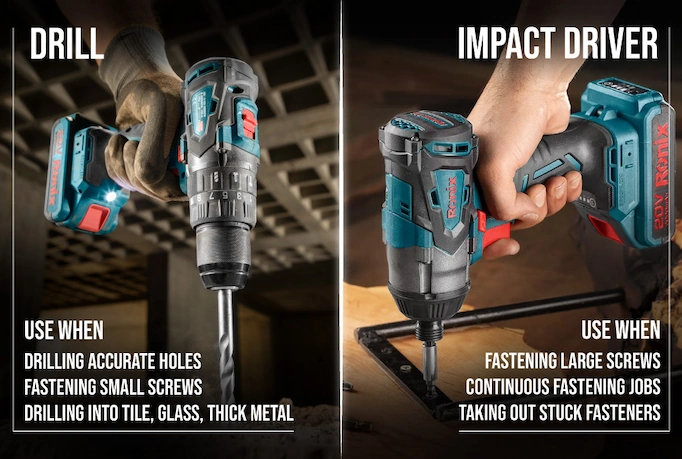
The best tool depends on what you need to do. A standard drill is a strong all-purpose choice for holes and light fastening, an impact driver is designed mainly for driving fasteners, and a hammer drill helps with masonry drilling.
The word impact creates much of the confusion. An impact driver and a hammer drill both use an impact mechanism, but they direct the force differently and serve different jobs. One helps turn a fastener; the other helps a bit cut into masonry.
Use the following table as a starting point. Exact features vary by model, so check the tool manual before relying on a mode, accessory, or capacity.
Source: slashgear.com
Choose a standard drill
When you need accurate holes, broad bit compatibility, or controlled fastening.
Choose an impact driver
When you need to drive many screws or other compatible fasteners with high turning force.
Choose a hammer drill
When you need to drill suitable holes in brick, concrete block, or concrete.
Quick Tool Comparison
The comparison below shows the usual strengths of each tool type. These are general design differences, not a claim that every model has the same power or features.
Standard drill
Main action: rotation. Best for general drilling and controlled fastening. Common interface: adjustable chuck. Main limit: may struggle with repeated high-resistance fastening.
Impact driver
Main action: rotational impacts. Best for long screws and repeated fastening. Common interface: quick-change hex collet. Main limit: less suited to precise drilling and delicate work.
Hammer drill
Main action: rotation plus forward impacts in hammer mode. Best for suitable masonry holes. Common interface: often an adjustable chuck. Main limit: conventional models may be too slow for heavy concrete work.
Rotary hammer
Main action: stronger electro-pneumatic or related hammering action, depending on design. Best for demanding concrete drilling and some chipping tasks when supported. Main limit: bulkier and unnecessary for many household jobs.
Which Tool Should a Beginner Buy First?
For someone who needs one tool for common home repairs, a standard drill-driver is often the most flexible starting point. It can drill holes and drive screws while offering a chuck that accepts many common accessories.
If you frequently build decks, fences, or wooden frames, an impact driver can be a useful second tool. If your projects often involve masonry anchors, a hammer drill may be more useful. Match the purchase to the jobs you actually do rather than paying for a feature you may rarely use.
Occasional repairs
Start with a standard drill-driver and suitable drill and driver bits.
Frequent construction fastening
Consider adding an impact driver for repetitive screw-driving work.
Brick or concrete projects
Choose a hammer drill or rotary hammer suited to the masonry and hole size.
Choosing the Right Bit and Accessory
The correct accessory helps the tool work as intended and reduces the chance of damage. Before inserting a bit, check its shank, material rating, size, and compatibility with the tool’s operating mode.
An impact driver commonly accepts hex-shank accessories made for its collet. A standard drill or many hammer drills use a chuck that can grip a wider range of round and hex shanks. Some hammer drills use specialized systems, so check the exact model.
A bit that fits physically is not always suitable for the job. An accessory may fit a tool but lack the rating needed for impact action, high speed, or a particular material.
Source: electronicshub.org
Driver bits
Match the bit tip to the screw head, such as Phillips, square, Torx, or another specified drive type.
Drill bits for wood
Choose a bit designed for the hole size and wood type. Use a standard drill when accuracy and a clean finish matter.
Metal drill bits
Use bits rated for the metal and tool speed. Secure the workpiece and follow the bit manufacturer’s cutting guidance.
Masonry bits
Use a suitable carbide-tipped masonry bit with a hammer drill when the bit and tool instructions permit hammer mode.
Socket adapters
Use only adapters and sockets rated for the intended impact tool and load. Never use ordinary hand-tool sockets with an impact mechanism unless the manufacturer explicitly rates them for that use.
Why Bit Fit Matters
A loose or mismatched driver bit can slip out of a screw head, damage the recess, or injure your hand. A worn bit may slip even when its size is correct. Replace damaged bits and make sure the bit sits fully in the fastener before you apply power.
When drilling, a dull or unsuitable bit may overheat, wander, or produce a rough hole. Stop if the bit binds, the tool vibrates abnormally, or the material starts to move. Correct the cause before continuing.
Check before starting
Inspect the accessory for cracks, wear, bent shanks, or a poor fit.
Use the right size
Choose a bit or socket that fits the fastener or planned hole.
How to Use an Impact Driver for Screws
Using an impact driver well starts with a suitable fastener and a stable workpiece. Read the tool manual, select a compatible driver bit, and wear eye protection before you begin. If the job involves structural connections, follow the project plans and fastener manufacturer’s instructions.
A controlled approach helps you avoid stripped screw heads, split wood, and overdriven fasteners. Do not rely on extra power to fix a poor bit fit or an unsuitable screw.
Source: performanceadvantage.com.au
1. Inspect the job
Check the material, screw length, screw type, and whether a pilot hole is needed. Confirm that no hidden wiring, plumbing, or other hazards are in the drilling or fastening area.
2. Fit the correct bit
Insert a compatible bit that matches the screw head. Make sure the quick-release collet locks the accessory in place.
3. Secure the material
Use clamps or another suitable method to keep the workpiece from shifting. Keep your free hand away from the bit and fastener.
4. Align the tool
Place the bit squarely in the screw head. Keep the tool aligned with the fastener instead of approaching at an angle.
5. Start slowly
Pull the trigger gently so the screw catches its threads. Increase speed only when the fastener is moving smoothly.
6. Stop at the right depth
Release the trigger when the screw reaches its intended position. Avoid driving the head too far into the material.
7. Check the result
Inspect the screw head, material, and connection. If the screw is crooked, stripped, or loose, stop and correct the problem rather than forcing it.
Signs That the Job Is Going Well
The screw should advance in a controlled way, the bit should remain seated, and the workpiece should stay still. The finished fastener should sit at the intended depth without crushing the material or damaging the screw head.
If the tool begins to twist sharply, the bit slips, the screw stops advancing, or the material cracks, release the trigger. Check for a worn bit, a poor pilot hole, an unsuitable fastener, or an obstruction.
Good result
The fastener is aligned, seated correctly, and installed without visible damage.
Warning sign
The bit slips, the fastener binds, or the material splits. Stop and investigate.
When an Impact Drill Is Not the Best Choice
An impact tool can be powerful, but power is not the same as precision. For small screws, delicate finishes, thin materials, and exact holes, a standard drill-driver often offers better control. A tool with too much force can damage the work before you have time to react.
An impact driver should not be treated as a universal concrete drill. Its rotational impacts are intended mainly to help turn fasteners. For masonry, use a hammer drill or rotary hammer with the right bit and operating mode.
Even a hammer drill has limits. Large holes in reinforced concrete, repeated heavy drilling, or concrete work that requires significant material removal may call for a rotary hammer or a professional contractor. Follow the tool’s stated capacity rather than judging by motor power alone.
Source: kalka.rw
Fine woodworking
Use a standard drill and suitable bits when you need accurate holes, clean edges, and gentle control.
Small or delicate fasteners
A drill-driver with a clutch can help limit torque and reduce the chance of damage.
Heavy concrete work
Use a rotary hammer or qualified professional when the material, hole size, or workload exceeds a conventional hammer drill’s capacity.
Precision metalwork
Use a suitable drill with the correct bit and speed. Secure the metal and follow the accessory manufacturer’s guidance.
Can an Impact Driver Damage Screws or Wood?
Yes. High turning force can strip a screw head, break a screw, split wood, or drive a fastener too deep. The risk rises when the bit is worn, the tool is misaligned, or the trigger is pressed too hard.
Choose the correct screw, make a pilot hole when appropriate, and begin at low speed. If the material is prone to splitting, keep the fastener away from the edge as allowed by the project design and follow the fastener manufacturer’s recommendations.
Prevent stripped heads
Use a fresh, correctly sized bit and keep it firmly seated in the screw.
Prevent split wood
Use suitable screws, appropriate pilot holes, and proper edge spacing.
Prevent overdriving
Use a low-speed setting when available and release the trigger as the screw seats.
Impact Drill Safety Tips for Home and Workshop Use
Power tools can cause eye injuries, cuts, hearing damage, and hand injuries if used carelessly. Before starting, inspect the tool and accessory, read the manufacturer’s instructions, and make sure the work area is clear and well lit.
Wear safety glasses or suitable eye protection. Impact drivers and hammer drills can be loud, so use appropriate hearing protection when the noise exposure warrants it. Avoid loose clothing, jewelry, and anything that could catch in rotating parts.
A drill can also strike hidden utilities. Before drilling into walls, floors, ceilings, or exterior surfaces, assess the location of electrical wiring, water lines, gas lines, and other services. Use suitable detection methods and obtain qualified help when the risk cannot be ruled out.
Secure the workpiece
Clamp the material or support it properly instead of holding a small piece near the bit with your fingers.
Keep a firm grip
Hold the tool as directed by its manufacturer and be ready for sudden resistance or binding.
Remove the battery before adjustments
Disconnect power before changing accessories, clearing a jam, cleaning, or carrying out maintenance when instructed by the manual.
Watch for heat and dust
Allow hot bits to cool before touching them. Use suitable dust controls and respiratory protection when the material and task require it.
Avoid unsafe positions
Keep your balance and do not overreach from a ladder. Reposition yourself or use suitable access equipment.
Special Care When Drilling Concrete
Concrete, mortar, and masonry drilling can release fine dust. Silica-containing dust is a serious inhalation hazard, so use suitable dust collection or another effective control method and follow applicable workplace safety requirements. A simple cloth mask may not provide adequate protection.
If you suspect that a wall or slab contains electrical services, plumbing, post-tension cables, or other concealed components, do not drill until the area has been assessed. Avoid drilling structural concrete without the required project information or professional guidance.
For larger or repeated masonry jobs, consult the tool manual for the recommended bit, hammer mode, duty limits, and dust-control accessories. Stop if the bit binds, the tool overheats, or the material behaves unexpectedly.
Control dust
Use an appropriate dust-extraction system or other suitable controls for the task and material.
Check the drilling area
Identify concealed utilities and structural hazards before making a hole.
Know when to stop
Get qualified help if the concrete, hidden services, or structural requirements are uncertain.
Common Impact Drill Problems and How to Fix Them
If an impact tool does not perform as expected, stop and check the simplest safe causes first. Remove the battery or disconnect the power before inspecting the bit, collet, chuck, or any jammed accessory.
Do not open the motor housing or bypass a safety feature to solve a problem. If the tool sparks excessively, smells burnt, makes an unusual grinding noise, or has a damaged battery, stop using it and follow the manufacturer’s service guidance.
The screw will not move
Check that the tool is in the correct direction, the bit fits the screw head, and the fastener is suitable for the material. A pilot hole may be needed.
The bit keeps slipping
Inspect the bit for wear, confirm that it is fully seated, and use the correct bit size and type.
The drill will not cut masonry
Confirm that you have a hammer drill or suitable rotary hammer, the correct masonry bit, and the proper mode. An impact driver is not a substitute.
The tool overheats
Release the trigger and let the tool cool according to its manual. Check for a dull bit, excessive pressure, a binding accessory, or use beyond the rated duty limits.
The battery loses power quickly
Check its charge, temperature, age, and compatibility. Follow the battery manufacturer’s storage and charging guidance.
A Simple Check Before You Resume Work
First, make the work area safe and disconnect power. Next, inspect the accessory and workpiece, verify the tool mode and direction, and check the battery or power supply. Review the manual if the problem remains.
Resume only when the cause is clear and the tool operates normally. If the tool or battery is damaged, or the problem involves an internal mechanism, use an authorized repair service rather than attempting an improvised fix.
Stop
Release the trigger and disconnect power before inspection.
Inspect
Check the accessory, material, settings, and power supply.
Test safely
After correcting a clear issue, test the tool in a stable, suitable work area.
How to Choose an Impact Drill for Your Projects
Choose a tool by the jobs you expect to do, the materials you work with, and the level of control you need. A high torque rating may matter for repeated fastening, while a good chuck and variable speed may matter more for drilling accurate holes.
For an impact driver, check the compatible bit system, trigger control, available speed modes, and whether the fasteners you use are suitable for impact driving. For a hammer drill, check the hammer mode, bit capacity, and the materials and hole sizes listed in its manual.
Cordless tools can be convenient for outdoor repairs and jobs without easy access to an outlet. However, batteries and chargers add to the cost, and battery platforms may not be interchangeable across brands or product lines. Confirm compatibility before buying extra batteries.
Match the tool to the main task
Choose an impact driver for repeated fastening, a standard drill for general drilling, or a hammer drill for suitable masonry holes.
Check control features
Variable speed, a suitable clutch on a drill-driver, and selectable modes can help with different materials and fasteners.
Check accessory compatibility
Confirm the chuck or collet type, bit shank, and accessory ratings.
Consider the full cost
Include batteries, chargers, bits, sockets, and any required dust-control equipment in the budget.
Read the actual manual
Use the exact model’s instructions for operating modes, accessory limits, maintenance, and safety requirements.
Do You Need Both an Impact Driver and a Drill?
You may benefit from owning both if you regularly build furniture, repair fences, install fixtures, or complete home renovation projects. The standard drill can make pilot holes, countersinks, and precise openings, while the impact driver handles many of the screws that follow.
For occasional household work, one good drill-driver may cover most needs. Add an impact driver when repetitive fastening becomes a regular task. If your work involves masonry, evaluate whether a hammer drill is also necessary rather than assuming an impact driver can perform the same job.
One tool for basic repairs
A standard drill-driver is often enough for small household projects.
Two tools for frequent building
A drill-driver and impact driver can divide hole-making and fastening tasks.
Masonry work
Choose a hammer drill or rotary hammer suited to the required holes and material.
Research Notes and Useful Next Questions
This guide separates common tool functions from model-specific performance claims. It does not report hands-on testing, measured drilling speeds, torque comparisons, or a product ranking. Those claims require exact tool models, accessory details, materials, and a documented test method.
The key distinction is supported by the basic mechanisms described in power-tool manuals: an impact driver delivers rotational blows for fastening, while a hammer drill adds forward impacts for masonry drilling. Exact capabilities and limits vary by model and accessory.
The following next-question map identifies practical questions inferred from the main task. These are editorial inferences, not verified search-volume findings or confirmed questions from live search results. A separate review of current search results, manufacturer manuals, and site analytics would be needed to establish observed demand and compare individual competing pages.
Question: Can an impact driver drill holes?
Reader stage: choosing an accessory. Basis: inferred next need from the difference between fastening and drilling. Coverage: answered in the drilling section. Benefit: helps prevent poor bit selection.
Question: Can an impact driver drill concrete?
Reader stage: planning a masonry job. Basis: inferred next need from tool-name confusion. Coverage: answered through the tool comparison and limitations sections. Benefit: helps prevent choosing the wrong tool.
Question: Which tool should a beginner buy?
Reader stage: purchasing. Basis: inferred next need from the task. Coverage: answered in the comparison and selection sections. Benefit: links tool choice to real household tasks.
Question: Why does a screw strip or stop turning?
Reader stage: troubleshooting. Basis: inferred next need from common fastening problems. Coverage: answered in the technique and troubleshooting sections. Benefit: provides a safer diagnostic path.
Question: What safety steps matter for masonry drilling?
Reader stage: preparing to work. Basis: inferred next need because masonry drilling can involve dust and concealed utilities. Coverage: answered in the safety section. Benefit: highlights hazards that tool selection alone cannot address.
Evidence Limits and What to Verify
For a model-specific decision, consult the manufacturer’s manual and accessory documentation. These sources establish the intended operating modes, compatible accessories, rated capacity, and stated safety limits, but they do not automatically establish superior real-world performance.
Current product prices, warranty terms, battery-platform compatibility, and model revisions can change. Verify those details directly before buying. No current competitor-page audit, live search-position check, or hands-on test is claimed in this article.
Documented information
Tool mechanisms and stated features should be checked against the relevant manufacturer’s documentation.
Not established here
Specific torque superiority, measured speed, durability rankings, and independent test results have not been established.
Frequently Asked Questions
Q
What is an impact drill good for around the house?
An impact driver is useful for driving long screws into wood, repairing fences, assembling workbenches, and fastening suitable hardware. A hammer drill is useful for drilling holes in compatible masonry. For ordinary holes and delicate work, a standard drill-driver is often the better choice.
Q
Is an impact drill the same as an impact driver?
Not always. People sometimes use impact drill as a general term, but an impact driver mainly delivers rotational blows to turn fasteners. A hammer drill adds forward blows to help drill masonry. Check the exact tool’s label, operating modes, and manual before use.
Q
Can an impact driver drill into concrete?
An impact driver is not the right tool for ordinary concrete drilling. Use a hammer drill with a suitable masonry bit for compatible holes, or a rotary hammer for more demanding concrete work. Check the material, hole size, and tool instructions before drilling.
Q
Can I use regular drill bits in an impact driver?
Only when the shank and accessory are compatible with the driver and the accessory is rated for the intended use. Many impact drivers use a hex collet rather than a conventional chuck. Do not force a round-shank bit into the tool or assume that a physically compatible accessory is rated for impact use.
Q
Is an impact driver better than a regular drill?
Neither is better for every job. An impact driver is often more useful for repetitive fastening and long screws. A regular drill is usually more versatile for making precise holes, handling a broad range of bits, and driving small screws with controlled torque.
Q
Do beginners need an impact driver?
Not necessarily. A standard drill-driver is often enough for occasional home repairs and general drilling. An impact driver becomes more useful when you regularly drive long screws or complete projects that involve many fasteners.
Q
Can an impact driver remove bolts?
An impact driver may turn certain compatible bolts with a correctly rated adapter and accessory, but it is not a substitute for every impact wrench. For larger or tightly secured bolts, use the appropriate tool and follow the fastener and tool specifications. Do not use ordinary sockets with an impact mechanism unless they are explicitly rated for it.
✦ Wrapping Up
Conclusion
An impact drill can be useful for demanding jobs, but the right choice depends on what the name means in the tool you have. An impact driver helps turn tough screws and compatible fasteners, while a hammer drill helps cut holes in masonry. A standard drill remains a flexible choice for general drilling and controlled fastening.
Before starting a project, identify your tool, choose a compatible bit, secure the workpiece, and check for hidden hazards. Use controlled pressure and speed, follow the tool manual, and stop if the bit binds or the tool behaves unexpectedly.
For most beginners, a standard drill-driver is a practical starting point for everyday repairs. Add an impact driver for frequent screw-driving jobs or a hammer drill for suitable masonry work. The best tool is the one designed for your material, fastener, and level of precision.
💡 Key Takeaway
Identify whether your tool is an impact driver or a hammer drill, match it to the job, and check the bit compatibility and safety instructions before you begin.
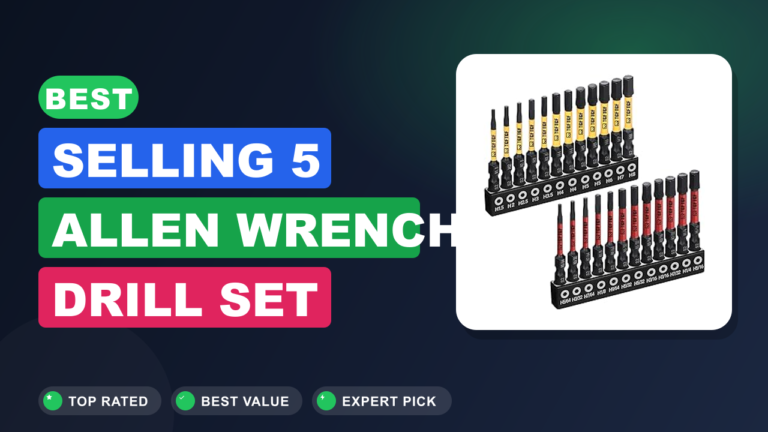
If you’ve ever fought a recessed hex fastener with a bent folding key, you know how quickly a tiny rounding error can ruin the job. The best allen wrench drill…
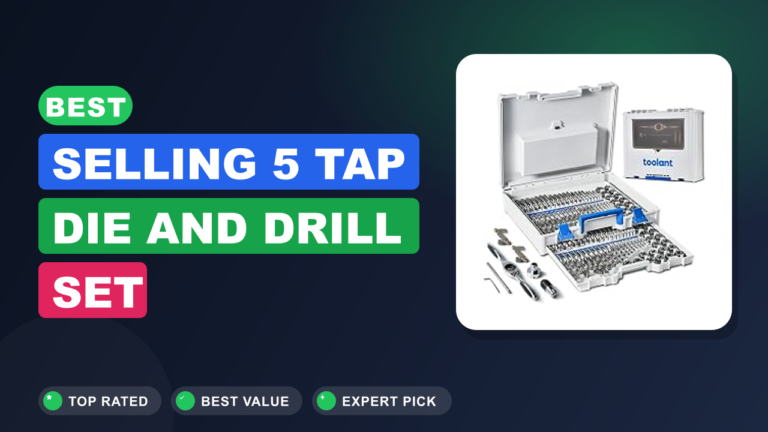
A tap die and drill set matters when a stripped hole needs cleaning or a new threaded hole needs cutting. A tap forms internal screw threads, a die forms…
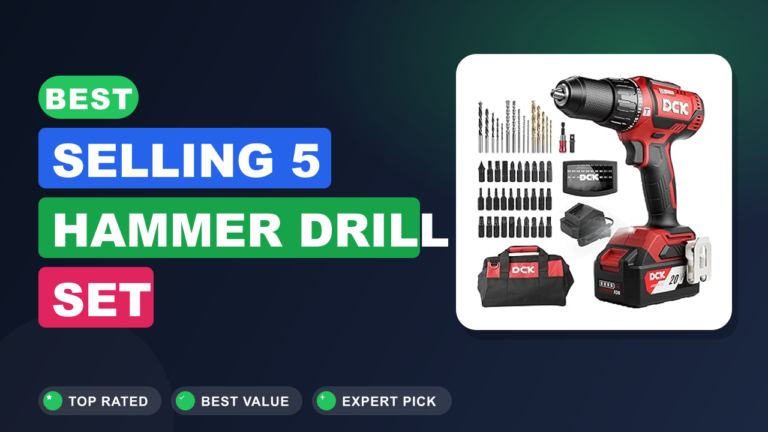
I always start with the job, not the biggest number on the box. A hammer drill set should fit the way you work, and a combi hammer drill adds a short pounding…