Drill Driver vs Hammer Drill Driver: Key Differences


Is a Standard Drill Driver Good?
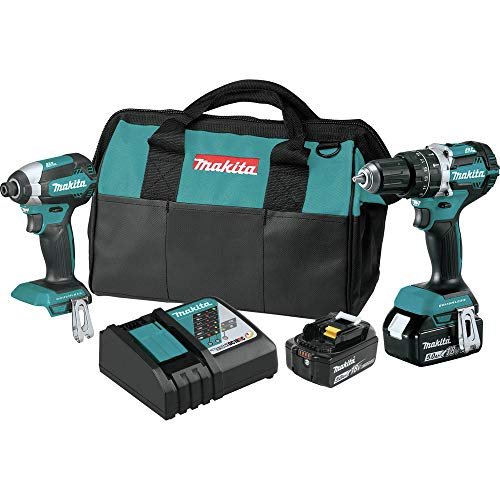
Yes. A standard drill driver is a great choice for most home projects. It drills holes and drives screws without adding a hammering action. This makes it a useful tool for furniture assembly, shelves, cabinets, and small repairs. It is also often lighter and easier to control than a hammer drill driver.
When I work with wood or install small fixtures, a standard drill driver is the tool I would reach for first. It feels simple and smooth. I can control the speed and avoid damaging a screw head or work surface. It is like using a steady hand instead of a heavy hammer.
The main limit is masonry. A standard drill driver can sometimes make a small hole in soft brick with the right masonry bit, but it is not built for regular concrete drilling. If your projects mostly involve wood, plastic, metal, and screws, this tool offers excellent value.
What Makes It Stand Out / Key Features
- Standard Rotary ActionThe chuck spins the drill bit without adding forward hammer blows. This works well for wood, plastic, and metal.
- Adjustable ClutchThe clutch limits twisting force when driving screws. It helps prevent stripped screw heads and damaged materials.
- Variable Speed TriggerA light trigger press gives slower control. A harder press increases speed for faster drilling.
- Two-Speed GearboxMany models offer a low-speed setting for screw driving and a high-speed setting for drilling.
- Keyless ChuckA keyless chuck lets you tighten or loosen the bit by hand without a separate chuck key.
- Compact DesignMany standard drill drivers have a smaller body that fits into tight spaces and feels easier to handle.
- Battery OperationCordless models let you work in garages, sheds, and outdoor spaces without finding a power outlet.
My Recommendation
Choose a standard drill driver if you mainly build furniture, install cabinets, repair household items, or drill into wood and metal. It is a practical first drill for most homeowners.
| Best For | Why |
|---|---|
| Home DIY | It handles shelves, furniture, and everyday repairs. |
| Woodworking | It offers smooth drilling and good speed control. |
| Screw Driving | Its adjustable clutch helps protect screws and materials. |
Is a Hammer Drill Driver Good?
Yes. A hammer drill driver is a strong choice if your projects include brick, concrete, or stone. It works like a regular drill driver but adds a hammering action. This action pushes the bit forward while it rotates. The extra impact helps the bit break through hard masonry.
When I need to mount a shelf on a brick wall or install an anchor in concrete, a hammer drill driver makes more sense. The extra action helps the bit move through the material. I also like having a normal drill mode for wood and screw work. It gives me more options without carrying two separate drills.
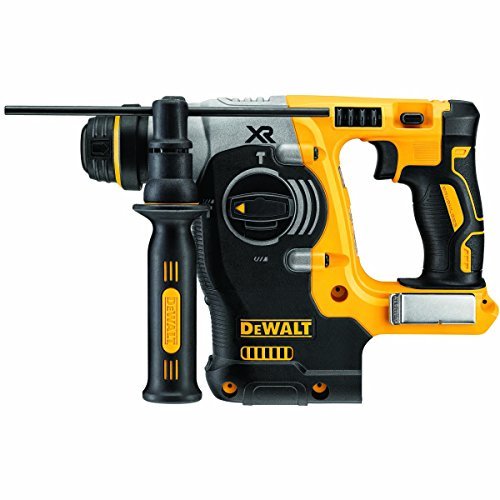
Still, the hammer mode is not needed for every task. It can add vibration, noise, and weight. You should turn it off when drilling wood, metal, or plastic. For large holes or heavy concrete work, a rotary hammer may be a better choice.
What Makes It Stand Out / Key Features
- Hammer Drill ModeThe tool combines rotation with rapid forward blows to help drill into brick, concrete, and masonry.
- Standard Drill ModeYou can switch off the hammer action and use normal rotation for wood, metal, and plastic.
- Screw Driving ModeMany hammer drill drivers include a clutch setting for controlled screw driving.
- Adjustable SpeedVariable speed control helps match the tool’s speed to the material and drill bit.
- Adjustable ClutchThe clutch helps control torque when driving screws into wood and other materials.
- Strong MotorMany models use a powerful motor to handle demanding drilling jobs and larger bits.
- Extra VersatilityOne tool can handle regular drilling, screw driving, and lighter masonry drilling when fitted with suitable bits.
My Recommendation
Choose a hammer drill driver if you work with brick, concrete, or stone as well as wood and metal. It is a smart all-around option for homeowners who need one tool for several types of jobs.
| Best For | Why |
|---|---|
| Masonry Work | Hammer action helps drill holes in brick and concrete. |
| Home Renovation | It handles several common materials with different modes. |
| Frequent DIY | It offers more flexibility for changing project needs. |
Drill Driver vs Hammer Drill Driver: Side-by-Side Test
When comparing drill driver vs hammer drill driver, the biggest difference is the hammering action. A standard drill driver only rotates the bit. A hammer drill driver rotates the bit and adds fast forward blows when you select hammer mode.
Both tools can handle many home projects. The best choice depends on your materials, budget, and how often you drill into masonry. The ratings below are practical editorial scores based on typical tool features, not laboratory test results.
1. Drilling Power: Which Is Stronger?
Both tools can drill common materials, but a hammer drill driver has an extra advantage in masonry.
| Feature | Drill Driver | Hammer Drill Driver |
|---|---|---|
| Wood drilling | Excellent | Excellent in normal mode |
| Metal drilling | Excellent with suitable bits | Excellent in normal mode |
| Brick drilling | Limited | Good with masonry bits |
| Concrete drilling | Not ideal | Better for light and moderate jobs |
⭐ Drill Driver – 7/10 | Hammer Drill Driver – 9/10
The hammer drill driver wins because its extra impact action helps it handle masonry.
2. Screw Driving: Which Offers Better Control?
Driving screws needs control more than impact power. Both tools can do this job when they have a suitable clutch.
| Feature | Drill Driver | Hammer Drill Driver |
|---|---|---|
| Clutch control | Common on most models | Common on drill driver models |
| Small screws | Very good | Very good in screw mode |
| Large screws | Depends on motor and torque | Depends on motor and torque |
| Hammer action | Not available | Should be switched off |
⭐ Drill Driver – 9/10 | Hammer Drill Driver – 8/10
The standard drill driver gets the edge for simple screw work because it has a straightforward design and less bulk.
3. Ease of Use: Which Feels More Comfortable?
A tool should feel comfortable in your hand, especially when a project takes several hours.
| Feature | Drill Driver | Hammer Drill Driver |
|---|---|---|
| Weight | Often lighter | Often heavier |
| Vibration | Lower during normal use | Higher in hammer mode |
| Handling | Simple and direct | May have extra controls |
| Tight spaces | Often easier to use | Depends on model size |
⭐ Drill Driver – 9/10 | Hammer Drill Driver – 8/10
The drill driver wins for comfort in many everyday jobs because it is often smaller and lighter.
4. Versatility: Which Handles More Jobs?
A versatile drill can save time and reduce the need to buy several tools.
| Feature | Drill Driver | Hammer Drill Driver |
|---|---|---|
| Woodworking | Yes | Yes |
| Metal drilling | Yes | Yes |
| Screw driving | Yes | Yes, if equipped |
| Masonry drilling | Limited | Yes, with hammer mode |
⭐ Drill Driver – 7/10 | Hammer Drill Driver – 10/10
The hammer drill driver wins because it can do most regular drill driver jobs and adds masonry drilling.
5. Price and Value: Which Saves More Money?
The price gap depends on the brand, battery platform, motor, and included accessories.
| Feature | Drill Driver | Hammer Drill Driver |
|---|---|---|
| Purchase price | Often lower | Often higher |
| Basic DIY value | Excellent | Good |
| Masonry value | Limited | Better |
| Battery cost | Depends on platform | Depends on platform |
⭐ Drill Driver – 9/10 | Hammer Drill Driver – 9/10
Both offer good value. The drill driver costs less for basic jobs, while the hammer drill driver can cover more tasks.
6. Noise and Vibration: Which Is Quieter?
Noise and vibration matter when working indoors or drilling for long periods.
| Feature | Drill Driver | Hammer Drill Driver |
|---|---|---|
| Normal drilling noise | Usually lower | Similar in normal mode |
| Masonry drilling noise | Not designed for this work | Higher in hammer mode |
| Hand vibration | Usually lower | Higher during hammer action |
| Long work sessions | Often more comfortable | Can cause more hand fatigue |
⭐ Drill Driver – 9/10 | Hammer Drill Driver – 7/10
The standard drill driver wins for quiet, smooth work. A hammer drill driver trades comfort for extra masonry power.
7. Maintenance and Tool Life: Which Is Simpler?
Both tools need basic care. Dust, heat, and poor bit use can shorten their working life.
| Feature | Drill Driver | Hammer Drill Driver |
|---|---|---|
| Cleaning | Simple | Simple, with extra care after masonry |
| Moving parts | Generally simpler | Includes extra hammer mechanism |
| Bit care | Important | Very important for masonry |
| Battery care | Follow maker instructions | Follow maker instructions |
⭐ Drill Driver – 9/10 | Hammer Drill Driver – 8/10
The standard drill driver has a slight edge in simplicity, but both can last for years with proper care.
Final Verdict: Which Should You Buy?
The drill driver vs hammer drill driver decision depends on what you plan to build. A standard drill driver is the better choice for furniture, cabinets, wood, metal, and everyday screw work. It is often lighter, simpler, and less costly.
A hammer drill driver is the better all-around choice if you also drill into brick or concrete. It offers normal drilling and screw driving, plus an extra hammer mode. If you only want one drill for a wide range of home projects, I would choose a hammer drill driver. For mostly wood and household repairs, a standard drill driver is the smarter buy.